
How to Train Your Guard Dog to Be Protective & Not Aggressive
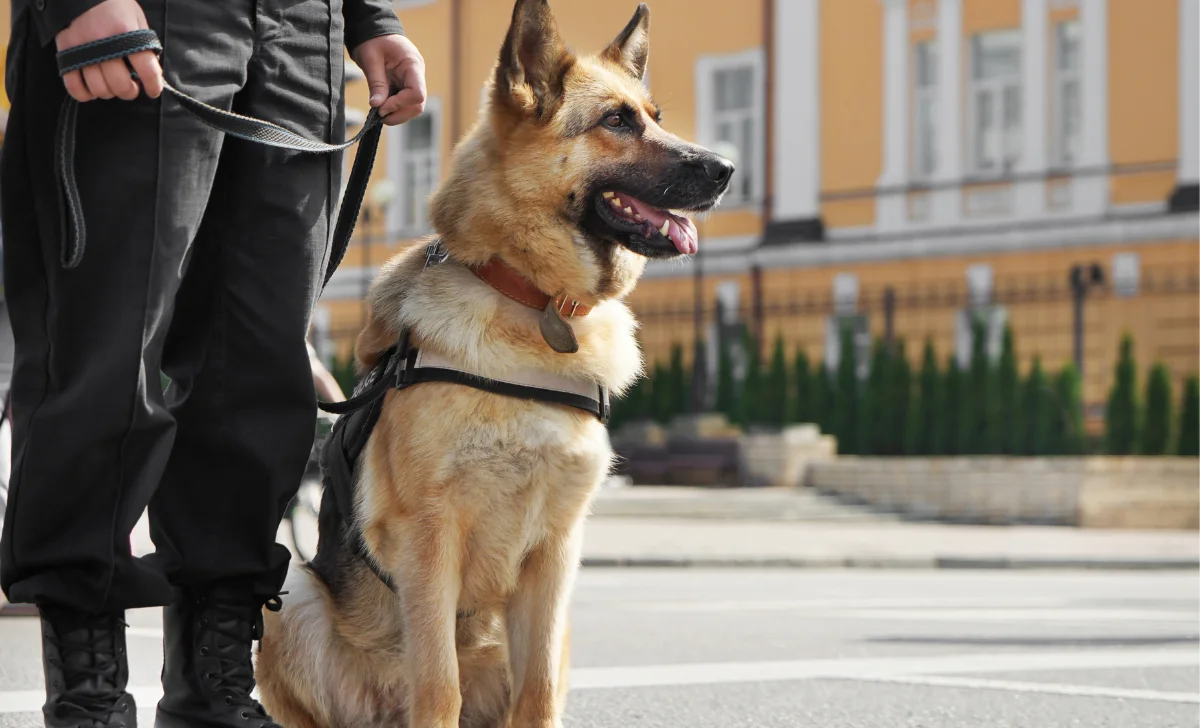
You need to know the difference between protective and aggressive behavior from day one. A protective dog will respond to actual threats with measured actions and check in with you for guidance. An aggressive dog? They’ll overreact to everything and work from a place of fear or anxiety.
The biggest mistake dog owners make is thinking that encouraging aggressive behavior will somehow make their dog more protective. Trust me, it won’t. What you’ll end up with is an unpredictable dog that’s dangerous to have around your family, friends, and neighbors.
Protective vs. Aggressive: Spotting the Key Difference
When your dog is being protective, they’ll bark to let you know someone’s around, position themselves between you and whatever seems off, and stay calm while waiting for your next move. You’ll see alertness without all that tension – ears up, tail up, but their muscles stay relaxed.
Aggressive behavior looks completely different. You’ll see growling at every person who walks by, snapping without any real reason, and constant stress signals like pacing or that rigid, ready-to-explode posture. These dogs are reacting to threats that aren’t even there and they’re not checking with you first.
Picking the Right Dog for Guarding Duties
Some breeds are naturally better at guard work because of how they were originally bred. You’ll have good luck with shepherds, rottweilers, mastiffs, and similar working breeds – they’ve got the loyalty, smarts, and protective instincts built right in.
What you want to look for is a dog that’s confident without being hyper, alert without being anxious, and friendly but not a pushover. Stay away from dogs that seem fearful and aggressive because of it, ones that are extremely shy, or dogs that get so excited they can’t control themselves around new people.
Age matters too when you’re selecting a guard dog candidate. Puppies between 8-16 weeks are ideal because you can shape their behavior from the start, but young adults up to 2 years old can still be trained effectively.
Avoid older dogs with unknown histories or established behavioral problems – you’ll spend more time fixing issues than building proper protection skills.
Why Socializing Your Guard Dog Matters
This might sound backwards, but socializing your guard dog properly is absolutely crucial. A dog that’s been around different people, places, and situations can tell the difference between normal everyday stuff and something that’s actually wrong.
Get your dog out there meeting different people, other animals, and experiencing various environments and sounds from when they’re young. Take them places, have people over to your house regularly, and make sure they have positive experiences with new things.
Training Commands That Teach Protection, Not Hostility
Start with the basics and nail them down first: sit, stay, come, and leave it. These commands show your dog who’s in charge and teach them self-control. Without solid obedience, trying to do protection training is just asking for trouble.
Once they’ve got those down, you can add some guard-specific commands: “watch” means pay attention and observe, “quiet” means stop barking right now, and “enough” means cut it out completely. Practice these every day in different situations.
Train controlled alerting by having someone approach your property and letting your dog bark briefly, then commanding “quiet.” Reward immediate compliance, but if they keep barking, physically redirect them and repeat the command.
Never allow uncontrolled barking to continue – it teaches your dog that you’re not really in charge of the situation.
Fixing Aggression Before It Becomes a Habit
If you notice unprovoked growling, snapping at friendly people, or your dog can’t calm down after whatever set them off is gone, you need to deal with it immediately. First, make sure you’re not accidentally rewarding the aggressive behavior by giving attention or treats when they act up.
Only reward calm, controlled alertness. When your dog gets aggressive during training, stop the session right there and go back to basic obedience work. If the aggression keeps happening, find a professional trainer who specializes in protection work.
Wrapping Up
Good guard dog training really comes down to control, communication, and making sure your dog gets plenty of socialization. Your dog has to understand that you’re the one calling the shots about when protection is actually needed.
Work on developing their natural instincts while making sure they can tell the difference between real threats and everyday situations.
Keep in mind that teaching a guard dog requires continuous effort over time and needs steady, patient work throughout. When you do it right, you’ll have an amazing family member who provides security while still being safe around your kids, guests, and out in public.
