
How to Use Essential Oils for Warts Removal at Home
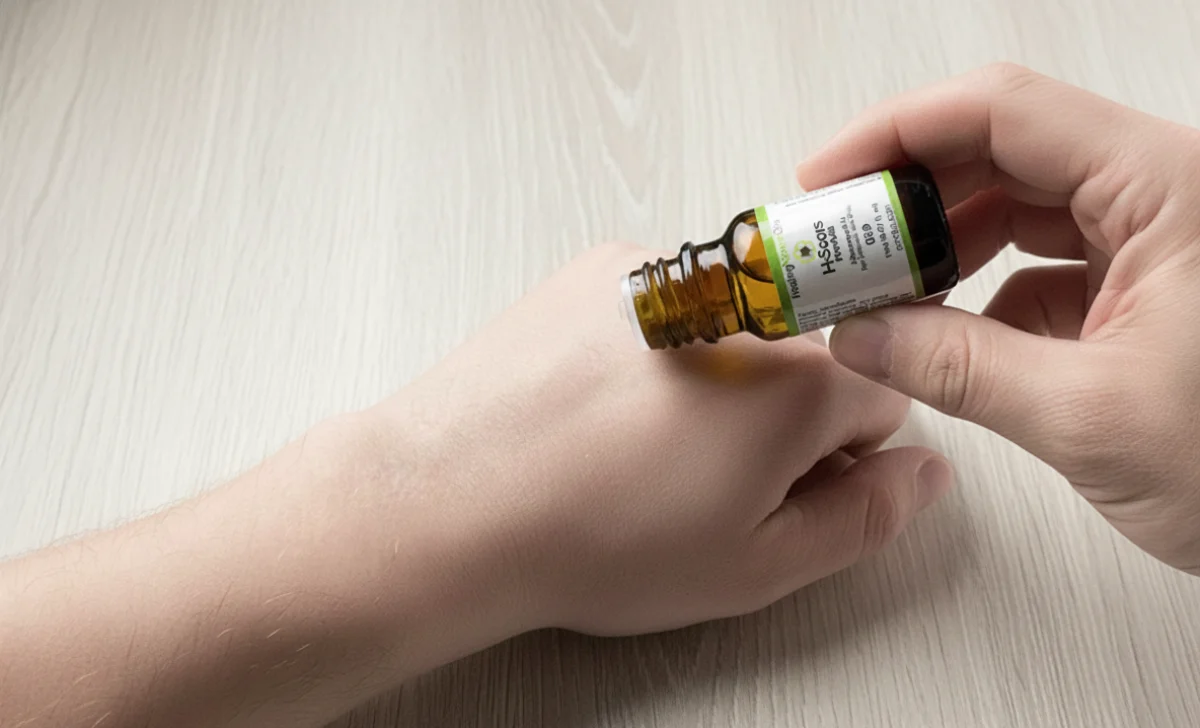
Warts can be stubborn and sometimes frustrating, appearing in places that are hard to ignore. While medical treatments are effective, many people prefer gentle, natural approaches that can be done safely at home.
One of the most popular options is using essential oils for warts, which harness the antiviral and healing properties of plants. Using the correct method and regular attention, you can slowly shrink warts and encourage more healthy skin.
Understanding Warts and How They Develop
Warts are rough, grainy little growths that appear on the skin because of an infection with the human papillomavirus. They can show up on any part of your skin, but are seen most often on the hands, feet, and fingers. Although they are not dangerous, they are catching and can be passed on by touch or shared items such as towels or gym gear.
Warts show up in a few distinct varieties, like common warts on hands, plantar warts on feet, flat warts, and finger-like filiform warts. Since every kind reacts in its own way to treatment, knowing what type of wart you have is very important.
Using essential oils for warts is effective for many types, but results vary depending on consistency and wart size. By keeping the affected area clean, avoiding picking at warts, and practicing good hygiene, you create an ideal environment for natural remedies to work more efficiently.
Best Essential Oils for Wart Removal
A number of essential oils have traits that are good for getting rid of warts. Tea tree oil is a powerful warrior, famous for tackling viruses and bacteria head-on. Applying a diluted mixture of tea tree oil and a carrier oil like coconut oil daily can help reduce wart size gradually. Consistency is key, as results usually appear over several weeks.
Other effective oils include oregano oil, lavender oil, and frankincense oil. Oregano oil contains thymol, which may inhibit viral activity, while lavender oil promotes skin healing and reduces inflammation. Frankincense oil can help in regenerating skin tissue and preventing irritation.
Incorporating these oils into a daily routine as a natural approach using essential oils for warts can provide gentle yet effective results without harsh chemicals.
How to Apply Essential Oils Safely
Proper application is crucial for seeing results without causing skin irritation. You must always mix essential oils with a gentle base oil, like coconut, olive, or jojoba, before using them on a wart. Use a cotton swab or pad to apply the oil, covering the wart completely, and secure it with a small bandage if necessary.
Consistency matters more than intensity. Applying the oils once or twice daily, while monitoring the skin for irritation, yields better results than overusing them. Additionally, combining essential oils for warts with gentle exfoliation using a pumice stone can improve absorption and effectiveness. Patience is important—warts often take weeks to respond to natural remedies, but the payoff is safer, scar-free skin.
Supporting Wart Removal with Lifestyle Habits
While essential oils provide a targeted approach, lifestyle habits play a supporting role in successful wart removal. A healthy immune system aids your body in fighting off the HPV virus on its own. Eating a balanced diet rich in fruits, vegetables, and antioxidants, staying hydrated, and getting adequate sleep all contribute to faster results.
Maintaining proper hygiene is equally important. Avoid sharing towels, shoes, or other personal items, and keep the warted area clean and dry. By combining these healthy habits with essential oils for warts, you create a holistic approach that encourages natural healing and prevents new outbreaks.
When to Seek Professional Help
Although many people successfully use essential oils for warts at home, some situations require professional attention. Warts that are painful, rapidly spreading, or resistant to home remedies should be evaluated by a dermatologist. Doctor-provided treatments, like freezing, laser treatment, or special creams, might be needed for quicker outcomes.
It’s also important to ensure that the growth is actually a wart, as other skin conditions can look similar. Once confirmed, home treatments can complement professional care, helping your skin heal while reducing irritation. Using both natural and clinical methods together frequently gives the best outcome, helping to maintain your health and clear skin.
Conclusion: A Gentle Path to Clear Skin
Using essential oils for wart removal at home is a safe, natural, and effective option when applied consistently and thoughtfully.
By understanding wart types, selecting the right oils, applying them correctly, and supporting your immune system through lifestyle habits, you can achieve noticeable improvements. Patience and care are essential, but the results are worth it—a gentle, chemical-free path to clear, healthy skin.
