
Everyday Wellness Habits That Help Pets Live Longer, Happier Lives
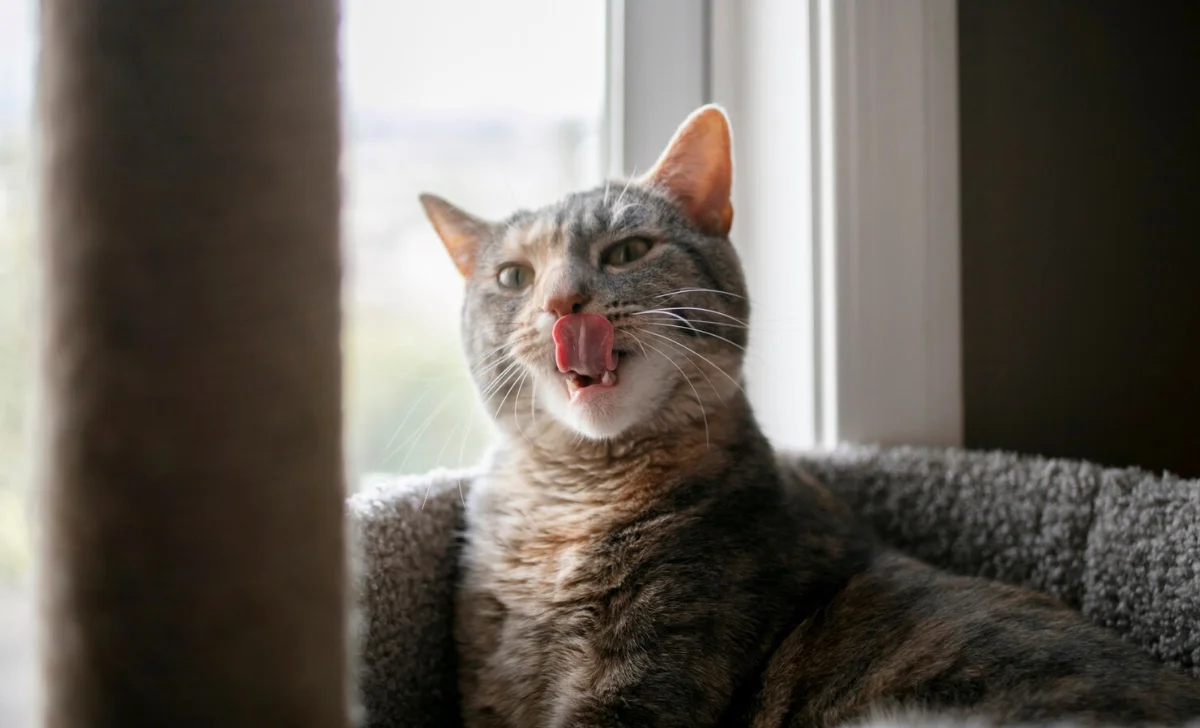
Every owner desires their animal to be joyful and in good health.
I think it’s a good idea to have a close look at what exactly is needed for a happy, healthy pet.
It’s quite amazing how simple this can be.
1. Caring for Pets Beyond the Basics
I’m 100% sure that back in the day my grandma didn’t even know if her cat had emotional, physical, or mental needs, like humans have.
But modern society in general is well aware of it.
We now know preventing illness and mental health issues results from a few things.
Pets require a regular daily routine, frequent visits to the vet, and nutrition.
And guess what? To plan all this, you don’t even need pricy or high-tech tools.
Gone are the days when a pet would listlessly lie around all day staring into space and living off scraps.
Pets are looked after very differently today; there are special brushes for dogs and cats, they are often included in family outings, and they have toys and even furniture.
2. Understanding Your Pet’s Core Wellness Needs
When it comes to pet wellness, we don’t need ChatGPT to tell us they all need hydration, movement, mental stimulation, and nutrition. This is common knowledge.
However, each type of animal has needs of its own.
All animals need their humans to be involved in all their daily routines.
There is quite a difference between what a big dog might need and the needs of a small dog.
For example, a big dog might sometimes need some liquid dog joint supplement that can work with their healthy routine to keep them supple and flexible.
This goes for older cats too; they might also need cat joint supplement liquid to assist their joints when they are roaming the garden or jumping off the couch.
Be on the lookout to ensure your dog or cat aren’t starting to show signs that they have some form of joint pain.
It might be their movement, appetite, coat, or if they suddenly seem to get cold quickly.
Perhaps their routine might need an update.
3. The Importance of Routine Health Checks at Home
Look out for dandruff, redness, extra shedding, or dry skin.
Ensure their ears are clean and dry and don’t irritate them.
Their eyes should be clear of any tearing or other matter.
Their gums should always be pink, and their teeth should have no buildup either.
Their soft paws should be smooth, and their nails healthy and trimmed.
The most common conditions pets deal with are probably skin, dental, and joint related.
4. Everyday Grooming as a Wellness Practice
Do we need grooming? Yes, we as humans do, which means our animals need it too.
To prevent matting, it’s a great idea to routinely groom your pet and brush their furry coat.
And we will never forget to give them a bath as required, even though some of them really hate it.
5. Mental Enrichment: The Missing Piece in Pet Wellness
Pets can get bored, and it can affect their mental health.
Taking them for regular walks to different areas around your neighborhood or a joyride to a new park is very helpful.
Cats love playing, which can help them get rid of any boredom. They also enjoy perching on a lookout spot.
6. Eating & Drinking Routines That Create Real Impact
Our lovely pets need strong joints and a strong immune system.
There is a fabulous way to achieve this, though: it’s through balanced nutrition.
One way this can be accomplished is by giving them different types of food on different days and, obviously, also keeping them hydrated.
7. Exercise Routines for Longevity
Smaller dogs might only need half an hour of exercise per day to keep them healthy.
Whereas medium dogs might need up to an hour.
But, let’s hope you are energetic if you have a dog that is very energetic because they usually need between 1 and 2 hours of exercise daily to remain healthy.
Indoor cats can become lazy, so for them, short play sessions with fluffy toys are ideal.
8. Creating a Stress-Free Home Environment
Here are a few things that can help to create a stress-free home:
They enjoy consistent daily patterns with familiar faces and companions.
They often need an area at home where they can peacefully hide from others.
Stability at home is the answer for an anxiety-free, relaxed pet.
9. Building a Wellness Routine That Fits Your Lifestyle
For animal wellness, a good consistent routine and good habits are key.
For example:
Do this every day:
Play for a short time, give affection, brush them for a few minutes, and give them fresh water.
Do this every few days:
Indoor or outdoor activities for exercise and games for fun (while you are at it, check their nails).
Do this once a month:
Have a quick look at their weight, behavior, and mobility.
10. Conclusion: Small Daily Habits Build Lifelong Health
Regular practices ultimately lead to a more content and healthier animal.
Through these actions your pet will be a happy, comfortable being.
All these loving actions will help your pet thrive!
