
Everest Base Camp Trek & Island Peak Climbing: Complete Guide
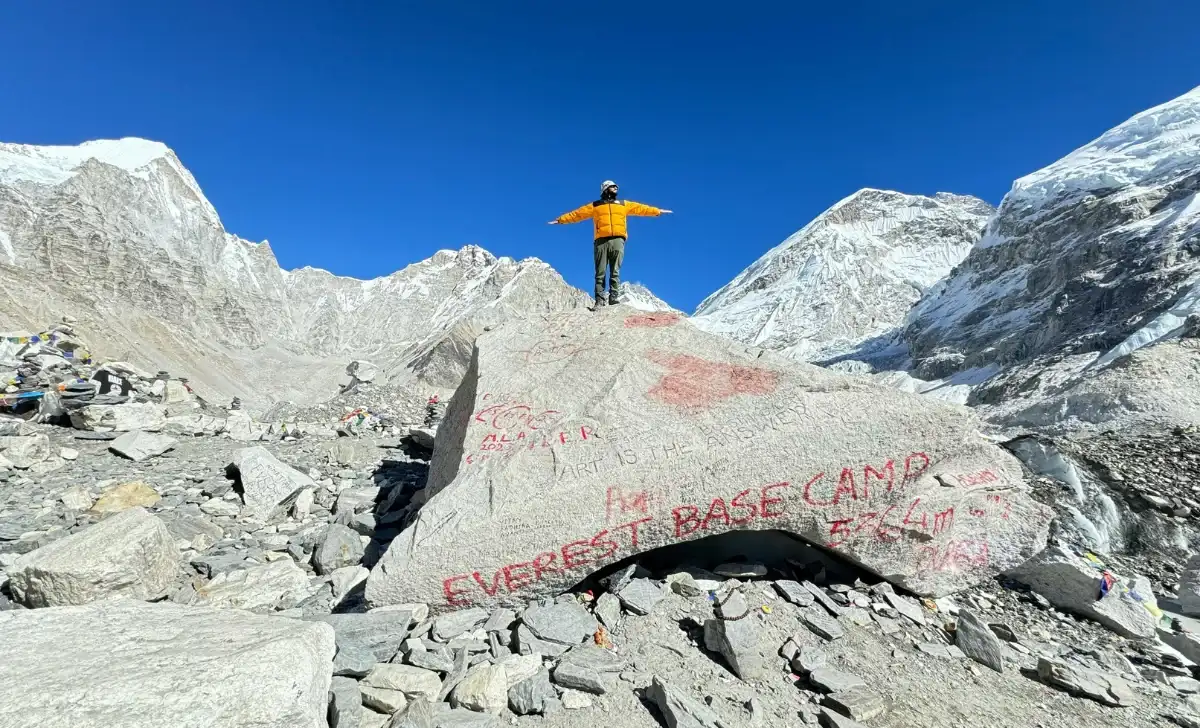
You’ve always wanted to stand among giants, where snow-capped peaks touch the sky and every breath feels like an achievement. The Everest Base Camp Trek + Island Peak Climbing gives you that rare chance – not only to stand beneath the world’s highest mountain but to summit a dramatic Himalayan peak yourself. It’s the perfect mix of trekking adventure and entry-level mountaineering.
This is more than a hike. It’s a test of physical endurance, mental toughness and preparation. With the 2025 trekking season approaching, thousands of adventurers are setting their sights on this iconic challenge.
But many are unsure how to plan the perfect itinerary, what equipment to bring, or how to acclimatise safely. From understanding the best seasons and required permits to learning about safety, training and route options, there’s a lot to consider.
If you’re an experienced mountain hiker or attempting your initial Himalayan summit, this guide covers the complete Everest Base Camp trek plus Island Peak climb. You’ll learn what to expect each day, how to avoid common mistakes, how to train and how to navigate the cultural and environmental aspects of the Khumbu region.
With the right planning you can enjoy the climb stress-free and soak up the beauty of the highest mountains on Earth. If you’re set to make your Himalayan goal a carefully planned achievement in 2025, begin with this full guide.
Why Pair Everest Base Camp with Island Peak Climbing?
Pairing the Everest Base Camp journey with Island Peak climbing offers the best Himalayan adventure for hikers seeking beyond ordinary routes. This two-in-one adventure blends high-altitude trekking with a safe but exciting entry into the world of mountaineering.
You’ll spend over a week walking through Sherpa villages, forests and glacial valleys before switching gears into a technical climbing environment.
One of the biggest benefits of combining EBC with Island Peak is the natural acclimatisation process. Trekking gradually from Lukla to EBC allows your body to adjust to altitude step by step. When you arrive at Island Peak Base Camp, your body has adjusted properly which improves your odds of reaching the top safely.
On your journey you’ll visit renowned Sherpa communities including Namche Bazaar, Tengboche and Dingboche. These communities provide insight into authentic mountain living and breathtaking peak scenery. The sights of Everest, Lhotse, Nuptse, Ama Dablam and numerous other summits make the hike extremely fulfilling.
Island Peak (Imja Tse), despite being labelled a “trekking peak” presents real alpine challenges like crevasse navigation, glacier travel, fixed rope sections and a steep summit ridge. This makes it a great first Himalayan summit for trekkers who want to challenge themselves without committing to extremely technical climbs.
Overall this combination is perfect for adventurers who want to go beyond standard trekking routes and experience the adrenaline, achievement and awe of reaching a Himalayan summit.
Who Is This Trekking and Climbing Route Best For?
This combined trek and climb is best for trekkers with strong physical fitness who want to attempt their first Himalayan peak. You don’t need previous mountaineering experience though familiarity with basic climbing techniques is always an advantage.
Most expedition operators provide essential training at Island Peak Base Camp where you’ll learn how to use crampons, handle fixed ropes, climb with a jumar and descend safely using a figure-eight device. Before signing up you should be comfortable hiking 5-7 hours a day over varied terrain sometimes with steep ascents.
The summit day on Island Peak is long and demanding. You’ll start your climb before dawn, cross a glacier, ascend steep snow slopes and climb the final headwall before reaching the narrow summit ridge. Physical strength, mental determination and confidence in your equipment are key.
If you’ve completed high-altitude treks like Kilimanjaro, Annapurna Circuit or even Everest Base Camp previously you’ll likely be well prepared for this journey.
Medical Disclaimer: Always consult a doctor or altitude expert before attempting any high-altitude trek or climb.
What’s the Ideal Season for Everest Base Camp + Island Peak in 2025?
The ideal times for EBC plus Island Peak in 2025 are springtime (March–May) and fall (September–November). These months provide the steadiest climate, extended daylight and most secure climbing situations.
Spring brings warmer temperatures, lush forests and blooming rhododendrons. Snow quality on Island Peak is usually gentler and easier to handle for beginner climbers. Visibility is usually excellent allowing for clear views of Ama Dablam and Everest.
Autumn arrives after the monsoon, offering crystal-clear skies, dry trails and crisp mountain air. Though temperatures are slightly cooler at high altitudes, autumn is known for its predictable weather patterns which means fewer delays and excellent summit windows.
Trekking during monsoon (June–August) is not recommended due to heavy rains, flight cancellations and poor visibility. Winter (December–February) brings extremely low temperatures and icy technical conditions on Island Peak making the climb more challenging.
For the best overall experience in 2025 choose:
- Mid-April to mid-May for warmer climbing conditions
- End of September through early November brings bright skies and reliable conditions
To avoid the heaviest crowds skip the first half of April and October—these weeks typically see a surge of trekkers. Scheduling your adventure just outside peak seasons offers a quieter path.
Most importantly include at least one or two buffer days in your itinerary. Flights to and from Lukla are frequently delayed due to unpredictable mountain weather and summit attempts on Island Peak sometimes require additional waiting time.
Everest Base Camp + Island Peak Itinerary Overview
18–20 Day Itinerary for 2025
Most EBC + Island Peak expeditions take 18 to 20 days allowing plenty of time for acclimatisation, training and safe summit attempts. Here is a detailed sample itinerary:
- Day 1–2: Arrive in Kathmandu; rest, gear check and expedition briefing.
- Day 3: Take a flight to Lukla then hike to Phakding.
- Day 4: Hike to Namche Bazaar, the main Sherpa town.
- Day 5: Adjustment day including a walk to Everest View Hotel.
- Day 6: Walk to Tengboche and explore Tengboche Monastery.
- Day 7: Trek to Dingboche.
- Day 8: Acclimatisation hike to Nagarjun Hill.
- Day 9: Trek to Lobuche.
- Day 10: Trek to Gorak Shep and arrive at Everest Base Camp (5,364 m).
- Day 11: Dawn ascent to Kala Patthar (5,545 m), followed by descent to Dingboche.
- Day 12: Trek to Chhukung.
- Day 13: Climbing training with your guide.
- Day 14: Trek to Island Peak Base Camp.
- Day 15: Reach Island Peak top (6,189 m) and head back to Chhukung.
- Day 16–17: Descend through Namche.
- Day 18: Trek to Lukla.
- Day 19: Return flight to Kathmandu.
- Day 20: Reserve day for unexpected hold-ups.
Alternative Routes and Customizations
If you want a more scenic or challenging experience consider adding the Gokyo Lakes and Cho La Pass route before joining the main Everest trail. This extension offers turquoise lakes, glacier crossings and panoramic mountain views.
Another popular customization is opting for a helicopter return from either Everest Base Camp or Island Peak Base Camp. This saves significant time and avoids retracing your steps.
For trekkers with extra days side trips to Ama Dablam Base Camp, Thame Valley or even Nangkartshang Peak can enhance your experience and deepen acclimatisation.
EBC + Island Peak offers the journey of a lifetime. Beautiful landscapes, cultural experiences and a real summit. With proper preparation, training and safety awareness you’ll stand on both Everest Base Camp and Island Peak.
Get training, get gear and start planning now. The mountains are calling.
