
Winter Plumbing Maintenance: What Homeowners Should Check Before Temperatures Drop
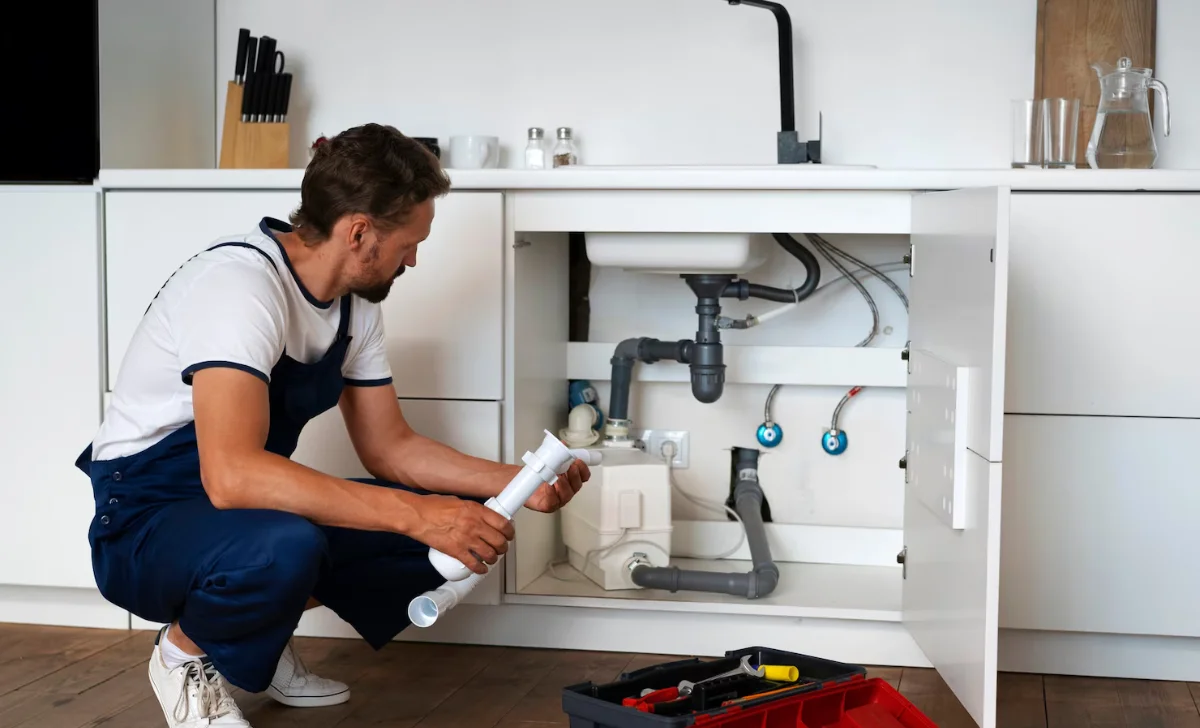
Cold weather places unique stress on residential plumbing systems. Pipes contract, water pressure behaves differently, and minor weaknesses that stay hidden during warmer months can quickly turn into costly problems. For homeowners, winter preparation is less about reacting to emergencies and more about confirming that key components are ready before the first freeze arrives.
Seasonal planning often starts with insulation or heating adjustments, yet plumbing deserves equal attention. Water lines, drainage systems, and shutoff points all respond to temperature changes in predictable ways.
That is why many homeowners preparing for winter choose to schedule comprehensive plumbing repair services in West Seattle early in the season, especially if the system hasn’t been inspected in recent years. A proactive check allows potential issues to be addressed calmly, without the pressure that comes with mid-winter failures.
Exposed Pipes and Insulation Gaps
Pipes located near exterior walls, crawl spaces, garages, or unheated basements face the highest risk during cold spells. Even in relatively mild climates, overnight temperature drops can cause unprotected lines to freeze. Once ice forms, internal pressure rises quickly, increasing the chance of cracks or joint separation.
Visual inspection helps identify problem areas. Look for sections where insulation has shifted, compressed, or deteriorated. Foam sleeves and wrap systems should fit snugly, with no visible gaps at bends or valves. Professional plumbers often use thermal assessment techniques to locate cold spots that are easy to miss during a casual walkthrough.
Outdoor Fixtures and Shutoff Valves
Exterior plumbing components remain vulnerable long after hoses are disconnected. Hose bibs, irrigation lines, and outdoor faucets retain water unless properly drained and isolated from the main supply. When temperatures fall, trapped moisture expands and damages internal components.
Before winter sets in, homeowners should confirm that outdoor shutoff valves operate smoothly and fully stop water flow. Drain ports must be clear, allowing residual water to escape. If something feels tight, drips, or doesn’t close all the way, you need an expert to fix or change it.
Water Heater Performance Under Cold Conditions
When cold water enters, it makes water heaters use more energy. Units already operating near capacity may struggle to maintain consistent output, especially during periods of increased household use. Dirt collecting in tanks lowers performance by creating a barrier between heating parts and the water they should heat.
Seasonal maintenance focuses on performance rather than replacement. Flushing sediment, checking pressure relief valves, and verifying thermostat calibration all help ensure reliable operation. Addressing these tasks before winter reduces strain on the system when demand peaks.
Drainage Systems and Winter Flow Changes
Drain lines experience subtle shifts during colder months. Grease hardens faster, soap residue thickens, and reduced water volume increases the chance of buildup along pipe walls. Floor drains and lower-level fixtures feel these effects first.
Common indicators of developing issues include slower drainage, faint gurgling sounds, or intermittent odors. While these symptoms may seem minor, winter conditions amplify their impact. Professional cleaning restores full diameter flow, allowing waste to move efficiently even when temperatures affect viscosity and pressure.
Basement and Crawl Space Plumbing Checks
Below-grade areas react differently to seasonal change. Soil temperature remains relatively stable, yet air circulation drops, increasing humidity around plumbing components. Condensation on cold pipes can introduce moisture where it does not belong, affecting framing and insulation.
Plumbing inspections in these spaces focus on joint integrity, pipe support, and drainage paths. Correcting minor alignment issues or reinforcing supports prevents movement that could worsen under thermal contraction. These adjustments protect both the plumbing and surrounding structures.
Key Items to Review Before Winter
A structured checklist helps homeowners stay focused during preparation. Professional assessments often cover:
- insulation condition on exposed supply lines
- functionality of interior and exterior shutoff valves
- water heater efficiency and safety components
- drainage flow consistency at lower fixtures
Addressing these areas together provides a comprehensive picture of system readiness rather than isolated fixes.
Why Professional Maintenance Makes a Difference
Winter plumbing issues rarely result from a single failure. More often, several small vulnerabilities align under cold conditions. Professional maintenance evaluates how components interact as a system, identifying weak points that individual inspections overlook.
Ben’s Plumbing approaches winter preparation with that systems-based perspective. Their technicians assess current performance, explain findings clearly, and recommend targeted improvements that align with the home’s age and usage patterns. This guidance helps homeowners prioritize actions that deliver measurable protection throughout the season.
Planning Ahead for a Stable Winter Season
Effective winter plumbing maintenance is about timing. Addressing concerns before temperatures drop allows work to proceed without urgency, preserving both budget and peace of mind. Homes that enter winter with well-maintained plumbing systems experience fewer disruptions and more predictable performance.
By focusing on preparation rather than reaction, homeowners reduce risk and protect critical infrastructure during the coldest months. Thoughtful maintenance ensures that plumbing remains reliable, even when winter places its greatest demands on the system.
