
7 Tips For Handling Emergency Plumbing Situations Quickly, Safely, and Effectively
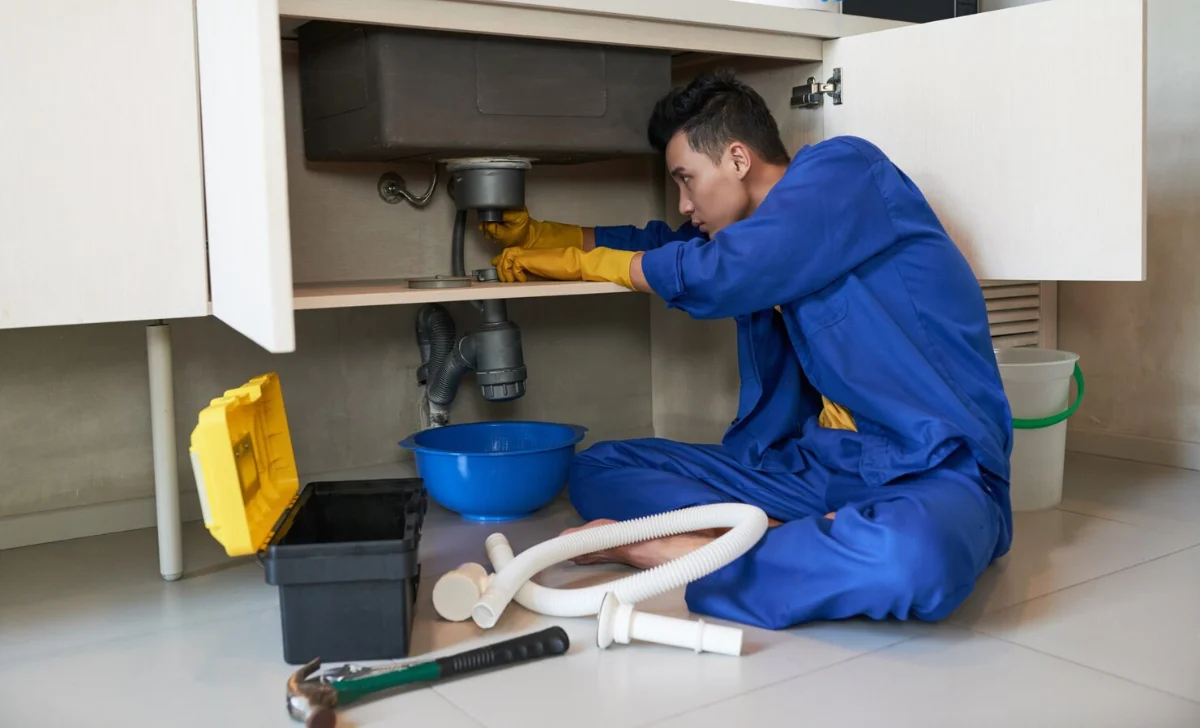
When you encounter a plumbing emergency, panic sets in, and you become overwhelmed. Time starts to feel like a race, and mistakes can happen, ultimately increasing expenses and the amount of damage done. Safety and peace of mind start to dwindle, and responding to the emergency becomes a priority. This article outlines ways to help maintain your mind in emergencies, such as troubling situations.
1. Recognise What Counts As a Plumbing Emergency
Understanding the issue at hand is essential, and in some circumstances, plumbing problems don’t require emergency assistance. For example, burst pipes, overflowing toilets, plumbing that involves gas, and plumbing where there is a sudden loss of water. Meanwhile, if there is a slow drain, those items do not present a threat and can be dealt with promptly without causing you to lose your stress.
2. Shut Off the Water Supply Immediately
Once you verify the problem, your initial step is to turn off the water. All homes have a main water control, and being aware of its location lets you act quickly. Stopping water flow at an early stage helps you avoid flooding, control damage and save space to assess the problem. It also relieves pressure on the damaged pipe to make temporary containment easier while you plan your next moves.
3. Switch Off Power When Water Is Near Electrical Areas
After removing access to the water, you should think about safety when it comes to electricity. If the water has reached power points, appliances and exposed wires, you turn off the electricity at the switchboard to avoid the risks. When you access the switchboard, do not act carelessly or walk through the wet areas. This keeps you safe and controls the problem while you wait for assistance.
4. Contain Water and Reduce Immediate Damage
Always remember that once safety is addressed, continue to focus on minimising damage. Towels, buckets, and mops can help control water near walls, floors, and furniture. Additionally, this step will not solve the problem, but it can slow down damage, which is not okay. Furthermore, moving valuables away from affected areas will minimise loss and make the later clean-up easier.
5. Avoid DIY Repairs That Can Worsen the Issue
Keep in mind that it is very tempting to fix things yourself, but emergency plumbing can have hidden problems. Taking a temporary approach with tape, sealants, or tools of your own may raise the pressure and cause new leaks. That’s why by not doing your own repairs, you avoid problems and further complexities with professional repairs and make it more expensive down the line.
6. Contact a Licensed Emergency Plumber Promptly
After doing what you can to mitigate the damage, the next step involves reaching out to an emergency licensed plumber. Emergency Plumbing North Shore is the most equipped to deal with complicated damage related to plumbing and has all the tools and training to deal with the problem you are facing and to do so safely.
If you are clear and detailed about what damage you are facing, the plumber can come equipped with the most relevant tools and resources to deal with the damage.
7. Document the Damage for Future Reference
While waiting for assistance, you should take time to document visible damage. Photos or notes help you remember details later. This step also helps plumbers understand the situation history if further assessment is needed. By staying organised during the emergency, you reduce confusion and support a smoother recovery once repairs are complete.
Staying Calm and Prepared with Plumbing Situations
Handling a plumbing emergency becomes far less stressful when you know what to do and why each step matters.
By recognising emergencies early, prioritising safety, and calling licensed professionals at the right time, you protect your home and well-being. Preparation plays a key role, so familiarising yourself with shut-off points and emergency contacts before trouble starts makes a real difference.
