
Mangystau has become a hot spot destination in Western Kazakhstan
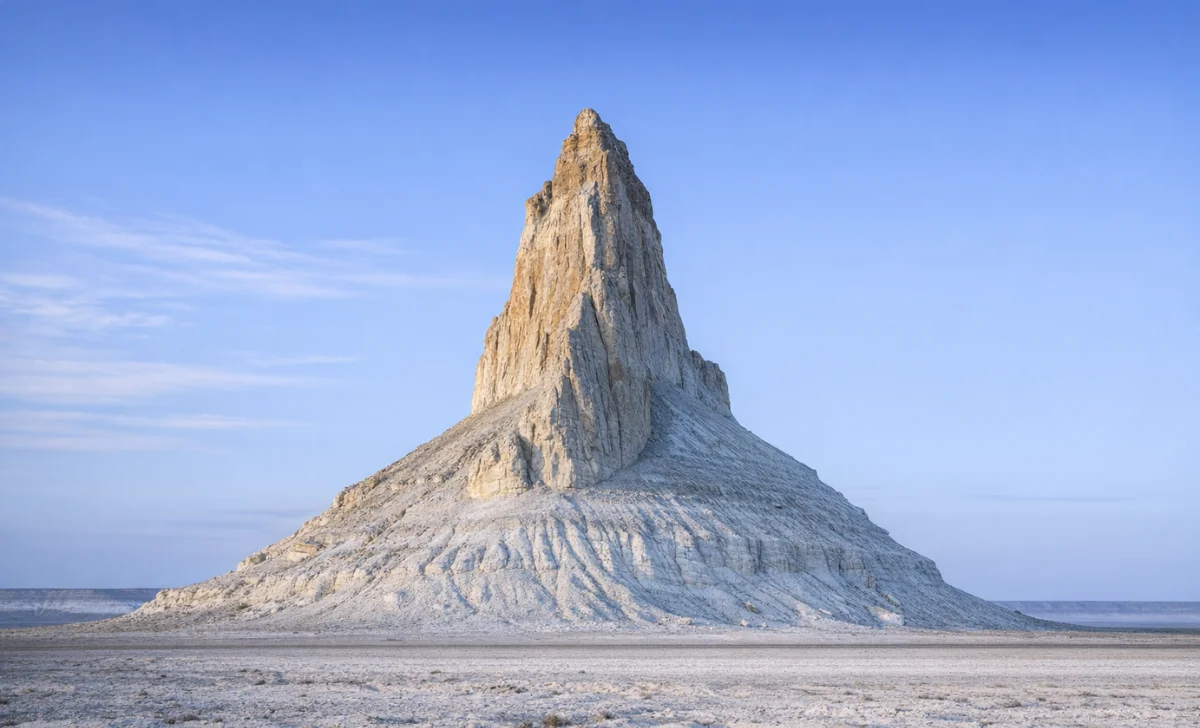
Western Kazakhstan’s Mangystau Region has shifted from relative obscurity to one of Central Asia’s most talked-about emerging destinations, with the data supporting the buzz. In the first nine months of 2025, more than 350,000 foreign visitors traveled to Mangystau, placing it among Kazakhstan’s top regions for international arrivals.
Tourism revenue reached approximately 17.2 billion tenge or about 36 million U.S. dollars, reflecting both rising interest and expanding infrastructure. What was once considered remote desert terrain is now firmly on the radar of adventure travelers, cultural explorers and photographers.
If you have been looking for a destination that still feels undiscovered yet increasingly accessible, Mangystau stands out as a compelling option.
What draws visitors: landscapes and experiences
When you arrive in Mangystau, usually through the Caspian Sea city of Aktau, the scale of the landscape becomes immediately apparent. A well-planned Mangystau tour often begins along the coast before venturing inland to the region’s geological marvels.
Bozzhyra Valley’s towering white limestone cliffs rise dramatically from the desert floor, while the striped formations of Kyzylkup, often called the “Tiramisu Hills,” glow in bands of red and cream at sunset.
The Ustyurt Plateau stretches across vast semi-desert terrain, home to surreal sites like the Valley of Balls, where perfectly rounded stone concretions scatter across the earth. You quickly realize that this is a place where distances are long, horizons are uninterrupted, with the scenery feeling almost extraterrestrial.
Beyond nature: culture, history and sacred sites
Mangystau’s appeal extends far beyond its dramatic geology ripe for photographers: the region has long served as a crossroads linking Central Asia with the Caspian basin, with traces of ancient trade routes still lingering across the steppe. Underground mosques carved into limestone cliffs, including Beket-Ata and Shakpak-Ata, draw pilgrims and curious travelers alike.
Stepping into these cool, stone-hewn chambers offers a striking contrast to the stark desert outside. As you move through these sacred spaces, you gain insight into Kazakhstan’s nomadic traditions and the resilience of communities that adapted to arid conditions while sustaining rich cultural practices.
Adventure and eco-tourism on the rise
For travelers drawn to open spaces and physical exploration, Mangystau delivers an experience that feels expansive and immersive. Multi-day camping trips, off-road desert routes and guided hikes across canyon ridges provide access to terrain that remains largely untouched.
The Ustyurt Nature Reserve protects a portion of this fragile ecosystem, safeguarding rare species adapted to extreme conditions and preserving vast stretches of semi-desert habitat.
You might spend the evening watching the sky fade from orange to indigo over chalk cliffs, then wake to absolute silence broken only by wind. Infrastructure has improved steadily in recent years, making these adventures more manageable without diminishing the sense of remoteness that defines the region.
Investment, infrastructure and future ambitions
Mangystau’s growing reputation is supported by significant investment in tourism facilities and hospitality. Recent developments include new and upgraded hotels in Aktau, such as internationally branded properties and renovated seaside complexes designed to accommodate rising visitor numbers.
Between 2025 and 2029, regional authorities have outlined tourism-related investment plans totaling nearly 198 billion tenge, signaling long-term commitment to positioning Mangystau as a flagship destination.
Expanded accommodation options, improved roads to key natural landmarks and upgraded visitor services make travel smoother while maintaining the region’s rugged character. If you decide to explore Mangystau in the coming years, you will likely find a destination balancing growth with preservation, welcoming global interest while retaining its stark, distinctive identity.
Mangystau’s transformation into a hot spot destination rests on this careful balance: raw landscapes paired with improving access, modern hospitality, vast silence supported by expanding infrastructure.
You can stand at the edge of a canyon that looks untouched by time, then return to a coastal city preparing for its next wave of international arrivals. That contrast defines Mangystau’s appeal and explains why Western Kazakhstan has moved decisively onto the global travel conversation.
