
7 Things to Know About Modern Guardrail Design and Safety
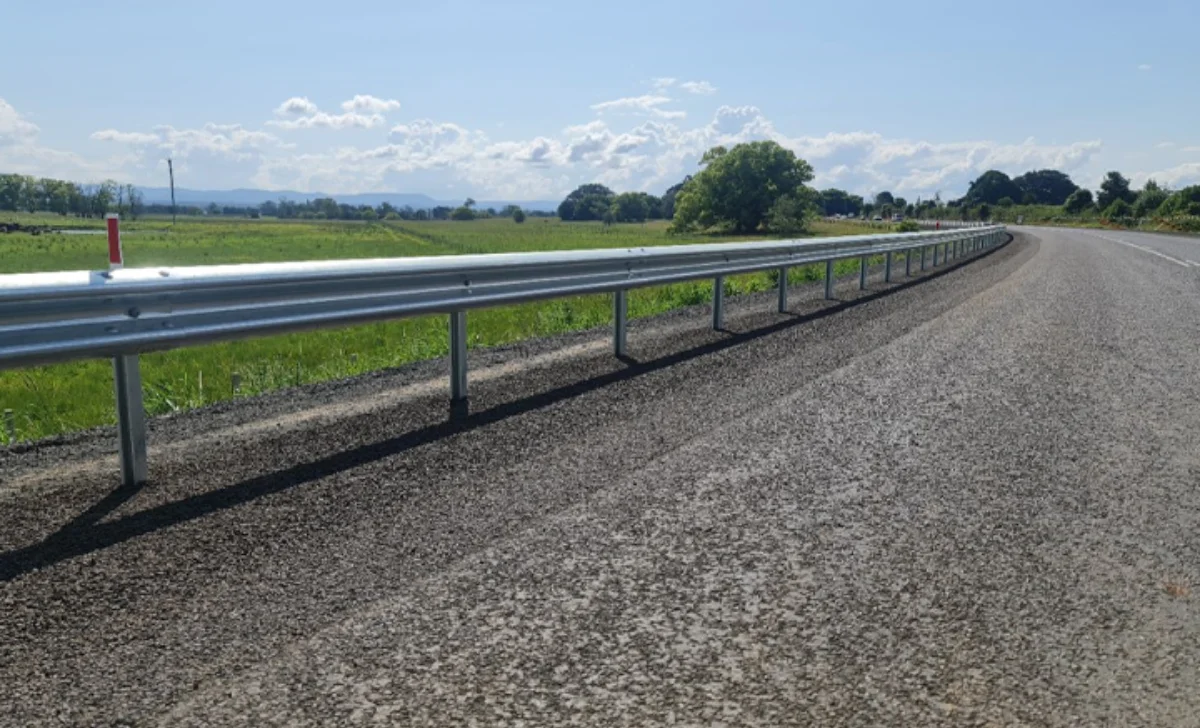
Designing safe transport infrastructure requires a deep understanding of how modern guardrail systems function as life-saving barriers on roads and highways. These essential safety components are highly engineered systems designed to redirect vehicles and absorb kinetic energy. This article explores the aspects of guardrail design and compliance to help you appreciate professional engineering.
1. The Significance of MASH Compliance
The Manual for Assessing Safety Hardware (MASH) represents the current gold standard for evaluating the performance of roadside safety features through rigors crash testing protocols.
You will find that the MASH-compliant guardrail has undergone extensive testing with various vehicle types. This standard replaced older benchmarks to better reflect the increased weight and height of the modern vehicle fleet.
2. Kinetic Energy Absorption and Redirection
The primary function of a modern guardrail is to redirect it back onto the roadway at a shallower angle. You can see this in action through the way the steel rail deforms and the posts are designed to yield or break away under specific pressure thresholds.
This controlled deformation reduces the deceleration forces felt by the vehicle occupants, which is a critical factor in preventing internal injuries.
3. The Critical Role of Guardrail End Terminals
Take note that the beginning of a guardrail run is potentially the most dangerous point of the system. You will notice that modern systems use sophisticated energy-absorbing end terminals that are designed to telescope. These terminals safely decelerate the vehicle or allow it to pass through to a clear area behind the barrier, preventing the rail from penetrating the passenger compartment.
4. Matching Barrier Selection to Roadside Terrain
Not all guardrail systems are suitable for every location, and designers must consider factors like the slope of the land. You must ensure that there is adequate “deflection space” behind the barrier to allow it to move as designed. In areas with steep embankments or limited space, stiffer barrier types or reinforced post designs may be required to prevent the vehicle from rolling or vaulting over the system.
5. Durability and Corrosion Resistance in Australian Climates
Australian road infrastructure is subject to extreme weather conditions, from scorching inland heat to the corrosive salt spray found in busy coastal transport corridors. You should prioritise guardrail systems that utilise heavy-duty hot-dip galvanisation to protect the underlying steel from rust. Moreover, high-quality coatings ensure that the posts and rails maintain their specified strength and flexibility.
6. Efficiency of Repair and Modular Design
When a guardrail is struck, it has performed its duty, but it must be repaired quickly to restore the safety of the roadway for subsequent travellers. You will find that modern modular systems allow contractors to replace only the damaged sections and posts. This reduces the time that maintenance crews spend in high-risk zones and minimises traffic disruptions on busy highways and suburban arterials.
7. Aesthetic Integration and Environmental Impact
Modern guardrail design also considers the visual impact on the surrounding environment. You can choose from various finishes or weathered steel options that allow the barrier to blend with the landscape. Additionally, the environmental impact of the manufacturing and recycling processes is increasingly a factor in the selection of modern steel barrier systems for large-scale government projects.
Engineering a Safer Future on the Road
Modern guardrail design is a complex blend of advanced physics and rigors safety testing that works to protect millions of drivers. By focusing on MASH compliance and modular efficiency, transport authorities create a resilient safety net. With the right guardrail systems, you can continue to build a more efficient transport network that serves the needs of every community for generations to come.
