
Ways to Preserve Your Favorite Memories
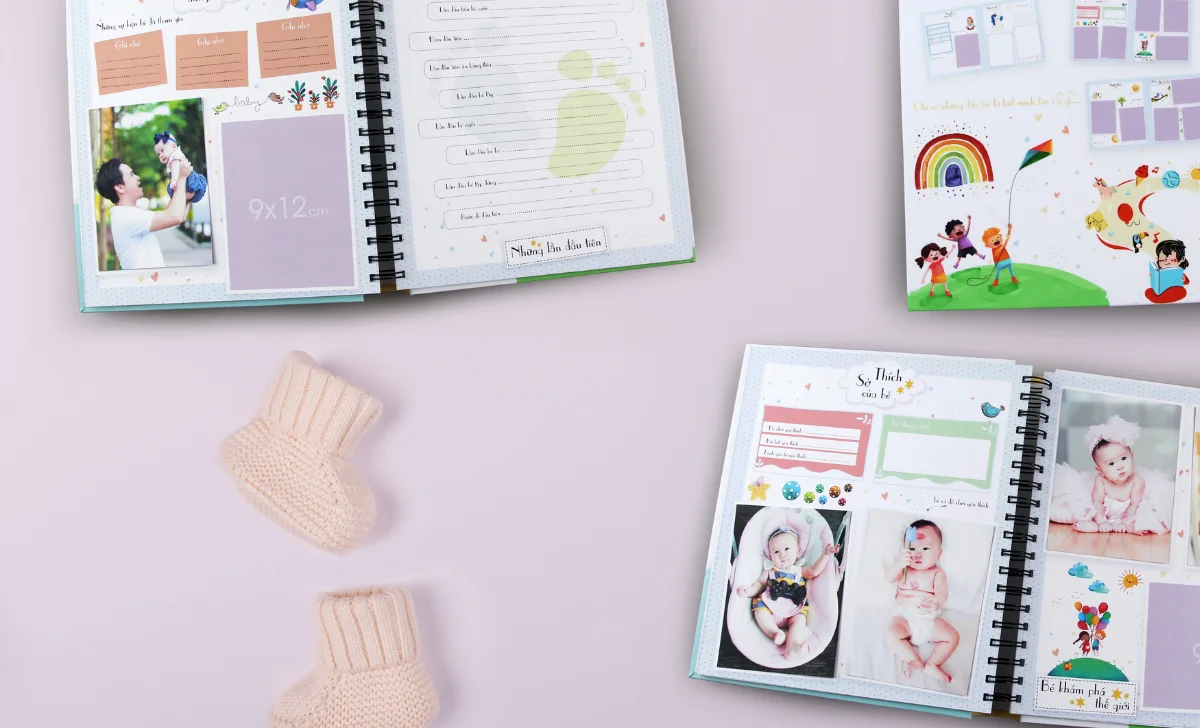
Preserving memories requires structured storage, durable materials, and accessible formats. Digital files alone are not sufficient. They are prone to loss, corruption, or inaccessibility over time. Physical formats and hybrid systems provide better long-term retention and usability.
Every approach has its own benefits based on how you want to keep, show, or pass along the memory.
1. Photo Books for Structured Archiving
Photo books provide one of the most reliable ways to organize and preserve memories. They combine sequencing, captions, and durable printing into a single format.
Using services that produce best photobooks allows for controlled layouts, high-resolution printing, and long-term material durability. Pages are typically designed with coated paper to resist fading and wear.
Key benefits include:
- Chronological organization for easy reference
- Protection from environmental exposure
- Ability to combine images with text for context
Photo books function as both storage and presentation tools.
2. Photo Calendars for Functional Display
Photo calendars integrate memories into daily use. They provide a rotating display of images while serving a practical purpose.
Each month highlights a different image set. This creates repeated exposure without requiring additional space.
Calendars are effective for:
- Highlighting key events or milestones
- Maintaining visibility of memories throughout the year
- Combining utility with visual content
They work better for showing things temporarily or for a while instead of keeping them forever.
3. Poster and Large-Format Prints
Large-format prints emphasize individual images. These are meant to look good rather than to save items long-term.
Printing on high-quality paper or acrylic surfaces improves durability and color accuracy. Acrylic prints, in particular, provide added protection and depth.
Large prints are useful for:
- Displaying high-resolution images in living or work spaces
- Creating focal points from significant moments
- Preserving single images in a stable format
Proper framing and placement reduce exposure to light damage.
4. Digital Backups with Redundancy
Digital storage remains essential but must be managed properly. Single-location storage increases risk of data loss.
Effective digital preservation includes:
- Cloud storage combined with local backups
- Organized file structures for easy retrieval
- Regular updates to storage formats
Having backup copies makes sure you can still reach your files if one method stops working.
Digital storage supports scalability but requires active management.
5. Scrapbooks for Custom Documentation
Scrapbooks allow manual organization of memories. They combine photos, written notes, and physical items such as tickets or letters.
This approach lets you change how things are arranged and what you include. However, material quality is important. Acid-free paper and adhesives prevent long-term degradation.
Scrapbooks are useful for:
- Combining multiple types of memorabilia
- Adding personal annotations and context
- Creating unique, non-standardized records
They require more time but offer higher customization.
6. Framed Photo Collections
Framed photos provide structured display while protecting images. Frames protect pictures from dirt, water, and getting harmed.
Grouping multiple frames creates a cohesive display. Consistent sizing and layout improve visual organization.
Framed collections are effective for:
- Highlighting key memories in shared spaces
- Rotating images periodically without reprinting
- Maintaining long-term visibility of selected photos
Proper placement avoids direct sunlight exposure.
7. Memory Boxes for Physical Items
Not all memories are digital. Physical items such as letters, tickets, and small objects require dedicated storage.
Memory boxes provide controlled environments for these items. Supplies should not cause chemical reactions to avoid harming items as years pass.
Boxes allow:
- Storage of non-digital memorabilia
- Organization by event or time period
- Protection from environmental factors
This method complements photo-based storage systems.
8. Wall Collages for Dynamic Display
Wall collages create flexible and expandable displays. Pictures can be put in, taken out, or moved around without fixing them in place forever.
This method is useful for:
- Displaying evolving collections
- Combining different image sizes and formats
- Creating visual narratives across a space
Adhesive quality is important to avoid damage to both photos and walls.
Collages prioritize accessibility over long-term protection.
9. Video Compilations for Motion Memories
Some memories are better preserved through video. Compilations combine images, clips, and audio into a single format.
Editing software allows sequencing, transitions, and sound integration. This creates a structured narrative rather than isolated files.
Video preservation supports:
- Capturing motion and sound elements
- Creating shareable formats for digital platforms
- Combining multiple memory types into one file
Files should be stored in widely supported formats to ensure long-term access.
10. Hybrid Systems for Long-Term Preservation
No single method covers all needs. Combining physical and digital systems provides the most reliable approach.
For example, a photo book can serve as a primary archive, while digital backups ensure redundancy. Display formats such as prints or calendars provide accessibility.
Hybrid systems allow:
- Long-term preservation through physical formats
- Scalability through digital storage
- Flexibility in how memories are accessed and shared
Balanced systems reduce risk and improve usability.
Holding on to memories requires more than storing images. Structured formats such as photo books, calendars, and framed prints provide stability and accessibility. Digital backups ensure redundancy, while scrapbooks and memory boxes preserve physical items. Using several approaches together helps you build a way to keep, sort, and display memories well for many years.
