
Restaurant Tables as Silent Storytellers: What They Reveal About Culture and Identity
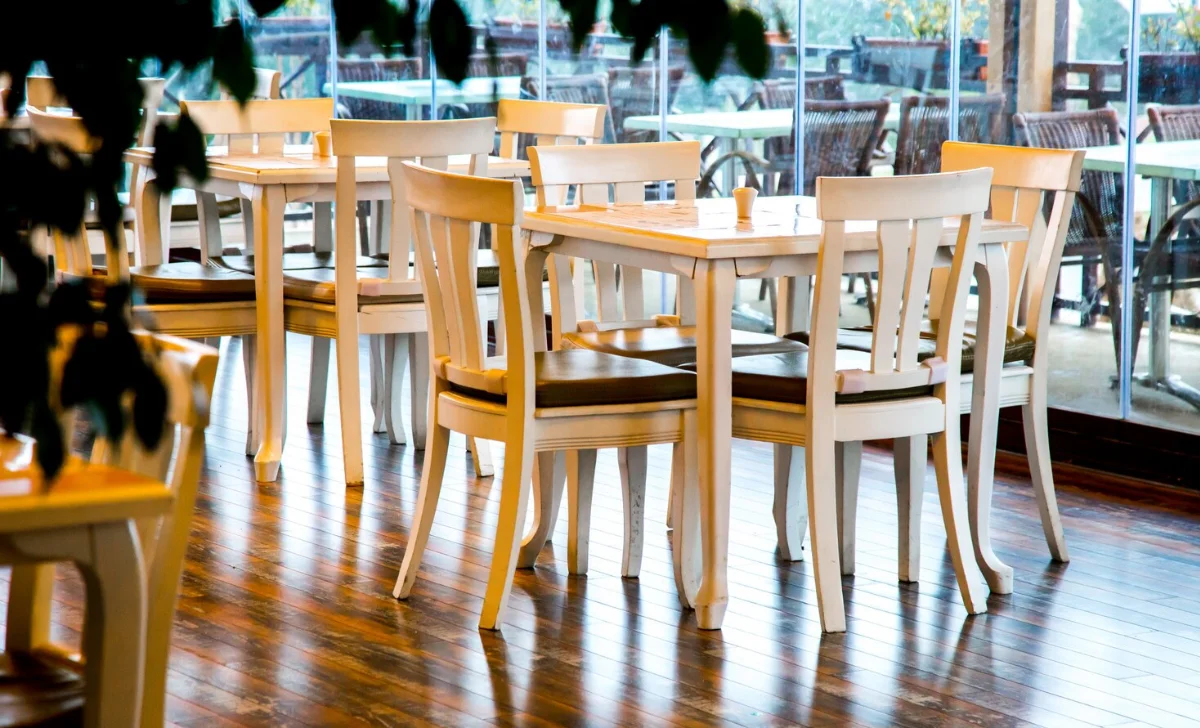
A restaurant table is easy to overlook. Most people notice the lighting first, then the menu, then the people around them. Yet the table is often the quiet center of the whole experience.
It is where hands rest, where dishes arrive, where conversations deepen, and where a restaurant’s values become physical. Before a guest remembers a flavor, they often remember how the place felt, and the table plays a bigger role in that feeling than many operators realize.
That matters even more now because dining is not just about eating. In a restaurant industry projected to reach about $1.5 trillion in sales, experience has become one of hospitality’s strongest competitive tools.
Guests are not only buying food; they are stepping into a mood and, in many cases, a cultural perspective. Premium-quality restaurant tables help carry that message, quietly but constantly.
Where Culture First Becomes Physical
Culture in restaurants does not begin with a framed quote on the wall or a carefully written brand statement. It begins with physical cues. The height of the table, the width of the surface, the material under the fingertips, and the distance between one guest and another all start telling a story before the first drink arrives.
A thick, solid wood table can suggest permanence, tradition, and generosity. A compact marble top may speak in a different language, one tied to urban elegance, speed, and visual precision. A communal harvest table sends a completely different signal.
It tells guests that sharing space is part of the meal, that conversation may be more open, and that dining is meant to feel collective rather than private.
This is why restaurant tables often reveal a culture’s priorities. Some spaces are built around intimacy. Others emphasize efficiency. Some celebrate a ceremony, while others favor movement and informality. In every case, the table becomes a stage where those values appear in plain sight, even when nobody names them directly.
The Table as a Map of Identity
Foodways are very important to who we are, what we remember, and where we belong. UNESCO states that they represent personal and collective cultural belonging. It also says that, in many cultures, eating together strengthens community, continuity, and social exchange.
That idea helps us understand why tables are so important. They are more than household items; they are community instruments that influence how customs are handed down.
Think about how different a closely packed two-top in a busy downtown cafe is from a long family-style table in a restaurant that is all about plenty and getting together. One helps with privacy and speed. The other encourages interaction and shared experiences. There is no default superior option. Each one just shows a distinct perspective of what eating out should be like.
Edge profiles, finish tones, craftsmanship, and spacing are all small things that convey identity. A table with visible grain and a handmade base can show that you care about being honest with your materials.
A smooth laminate surface with sharp angles could show that something is new, reliable, and useful. A brightly colored table in a lively, casual style can make people feel welcome and like they belong. A formal dining area might feel more serious with a darker, heavier table.
When done well, none of this is by chance. The top restaurants recognize that tables help them answer an essential question: who are we, and how do we want visitors to feel while they are here?
Shared Meals, Shared Meaning
Researchers continue to describe shared eating as more than a nutritional act. It is a social behavior tied to rules, relationships, and human connection. In hospitality, the table is one of the most important emotional surfaces in the room. It does not simply hold plates. It organizes proximity, eye contact, rhythm, and comfort.
When a restaurant chooses its tables carefully, it shapes things like:
- How long do people stay
- How easily conversation flows
- whether a meal feels private, festive, efficient, or ceremonial
That is where culture and design stop being separate ideas. They meet at the table. A narrow table may encourage quick turnover and shorter visits. A wider table can create a sense of ease and generosity, and make guests feel they can settle in. Round tables often soften hierarchy and invite more balanced conversation. Rectangular tables can emphasize structure, direction, and visual order.
In other words, the table influences not just what people do, but what the experience seems to mean.
What Different Table Choices Quietly Communicate
Restaurants often spend enormous energy refining menus and branding, yet their tables may already be saying just as much. The message depends on the choices being made.
A few examples make this clearer:
- Solid wood often communicates warmth, tradition, and rootedness
- Stone or marble often suggests polish, status, and visual drama
- Metal and minimalist composites often signal urban energy, efficiency, and contemporary identity
The arrangement is as important as what it’s made from. Closely packed tables may reflect the pace and density of city life. Wider spacing may communicate comfort, luxury, or respect for personal boundaries. Large communal tables can suggest openness and collective culture, while small individual tables reinforce personal space and one-on-one interaction.
These signals may feel subtle, but guests read them fast. Many people don’t express this emotion verbally. They simply decide whether the place feels authentic, cold, lively, refined, familiar, or worth returning to.
Why This Matters More for Restaurants Ahead
As competition increases, tables will become increasingly important as tools rather than just backdrop pieces. Operators who get this will have an edge, because culture is now a business asset in the hospitality industry. People like to go to areas that feel unique. Not merely fashionable, but also specific. They want rooms with a point of view, places that feel like part of a true tale rather than just a trend cycle.
That makes eateries more likely to choose tables intentionally. It’s not enough to just ask if a table is strong, easy to clean, or within your budget. Of course, those questions are still important. There is now another question next to them: what does this table say about us before anyone speaks?
The strongest ideas will make that evident. A restaurant in the area might have tables that feel sturdy, welcoming, and shared. A culturally based idea might incorporate materials, shapes, or finishes that evoke their home region without making the space feel like a theme.
This is where furniture tells a story. Not a loud story, but one that makes sense.
The Story Guests Feel Before They Explain It
A great restaurant table does not beg for attention. It does something more powerful. It disappears into the experience while quietly shaping it. It supports the meal, frames the room, guides the body, and carries signals about belonging, value, and identity.
That is why restaurant tables are such effective silent storytellers. They reveal what a culture honors, how a brand sees hospitality, and what kind of connection a meal is meant to create. Some speak of tradition. Some speak of speed. Some speak of elegance, openness, or memory.
Guests may never say, “The table told me who this place was.” Still, that is often exactly what happened.
