
How Families Can Support a Loved One After a Mesothelioma Diagnosis
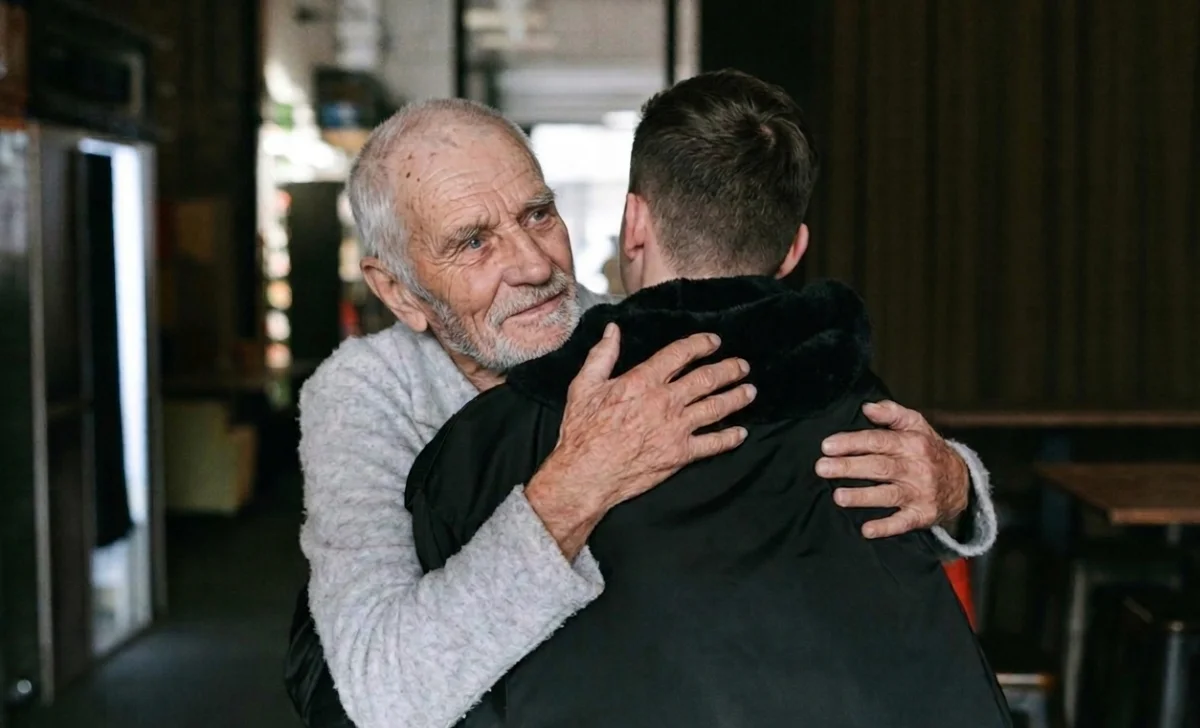
A mesothelioma diagnosis can change a family’s life fast. One appointment leads to another, routines shift, and even ordinary conversations feel heavier. In that moment, most relatives want to help, but they are not always sure what support should look like.
The reality is, it doesn’t have to be big or showy. It needs to be steady, useful, and respectful. In this article, we’ll outline five ways families can support a loved one after a mesothelioma diagnosis.
Start with reliable information
The first few days after a diagnosis are usually full of fear. People search online, hear unfamiliar terms, and start imagining the worst. It helps to slow down and learn from trusted sources instead.
Reading through resources from Mesothelioma Hope can give families a clearer picture of the disease, treatment options, and practical next steps. When a family is better informed, they ask stronger questions and reduce confusion during an already difficult time.
Help with daily tasks before they pile up
A serious diagnosis creates stress beyond the medical side. You have papers to complete, phone calls to make back, food to organize, tasks to do, and schedules to remember. Together, these things can wear a person down.
Family support becomes more meaningful when it turns into specific action. One person can manage the calendar. Another can help with transport or meals. Someone else can handle paperwork. Practical help often brings the fastest relief because it takes weight off the day.
Make room for honest feelings
Not every day will look the same after a diagnosis. A loved one may want to talk openly one day, then go quiet the next. Families sometimes rush to fix that shift because they do not want the person to feel low.
However, support is not always about saying the perfect thing. Often, it is about listening without interrupting, correcting, or forcing positivity. When individuals feel comfortable sharing the truth, they often feel more connected to others.
Respect their independence
Support should not turn into taking over every part of someone’s life. Even in a difficult season, people still want dignity, privacy, and some control over what happens next.
Families mean well when they step in quickly, but too much involvement can feel suffocating. Be sure to ask before making decisions, and offer help without assuming. Let your loved one stay part of conversations about care, schedules, and personal choices whenever possible.
Keep showing up after the first shock fades
In the beginning, support often comes quickly. People call, visit, and offer help right away. A few weeks later, that attention can start to fade, even though the hard part is still very present.
Mesothelioma care can be long and emotionally heavy. This is why consistency matters so much. A weekly meal, a ride to an appointment, a short check-in call, or help around the house can make a real difference over time. Steady care is often the kind people remember most.
Endnote
Families cannot take away a diagnosis, but they can make the road feel less lonely. Clear information, practical help, patience, and consistency matter more than dramatic gestures.
When support is thoughtful and grounded, it gives a loved one more space to focus on care, comfort, and the decisions ahead. During a time that seems unclear, that type of support can matter greatly.
