
Why Wellness Spaces Are Becoming the Heart of Modern Homes
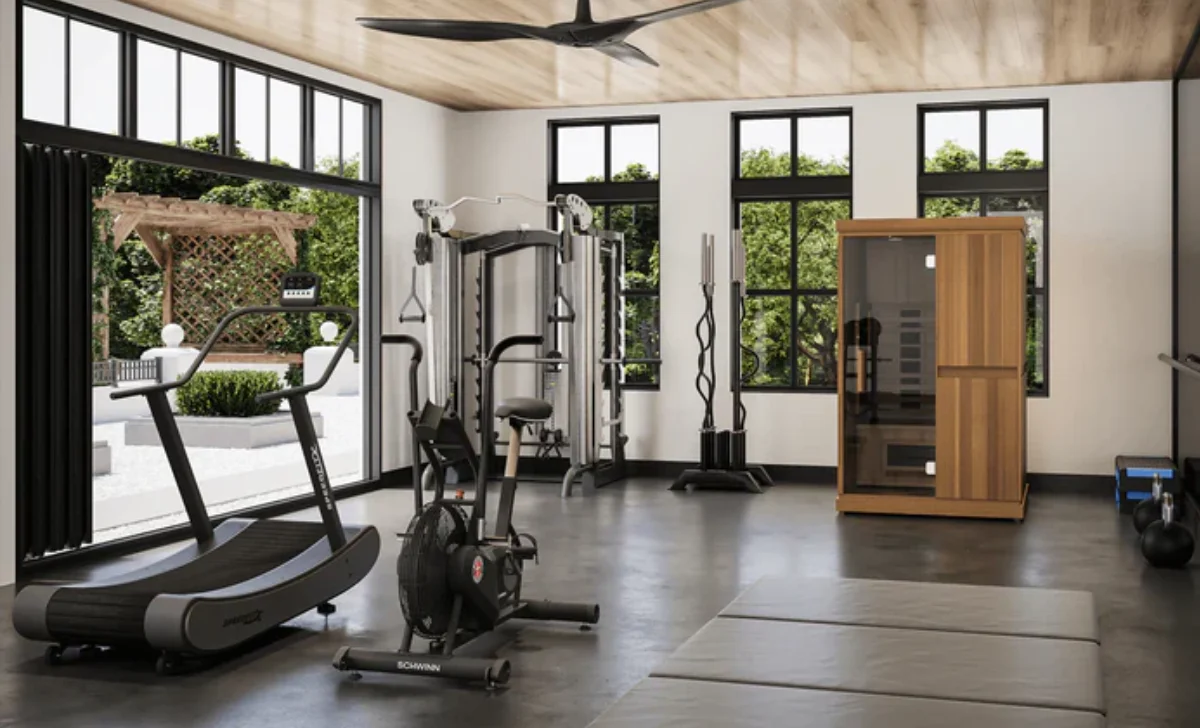
Luxury has always reflected what people value most at a given moment in time. There was a period when it was defined by scale, grand entrances, expansive living rooms, and statement pieces designed to impress. Today, that definition is shifting. Increasingly, luxury is being shaped by something quieter, more personal, and far more enduring: how a space makes you feel.
Across high-end residential design, one change stands out in particular. The focus is moving inward. Instead of centering homes around display, homeowners are prioritising environments that support restoration, clarity, and everyday well-being. In this context, wellness is no longer an addition to luxury living, it is becoming its foundation.
The Rise of Private Wellness Spaces
The idea of wellness within the home is not entirely new, but its role has evolved significantly. What was once limited to a home gym or a dedicated bathroom upgrade has expanded into fully integrated wellness environments.
Today’s luxury homes increasingly feature spaces designed for recovery and reset. These include meditation rooms, cold plunge areas, spa-inspired bathrooms, and, notably, private sauna installations. Rather than being treated as occasional indulgences, these features are becoming part of daily routines.
This shift reflects a broader cultural change. Time, energy, and mental clarity are now considered some of the most valuable assets. As a result, homeowners are investing in environments that help preserve and restore them.
From External Luxury to Internal Experience
Traditional luxury often focused on what could be seen. Materials, finishes, and architecture were designed to create visual impact. Though these parts still matter, they aren’t sufficient by themselves anymore.
Modern luxury is increasingly experiential. It is about atmosphere, comfort, and the subtle details that influence how a person moves through a space. Light, sound quality, surfaces, and warmth all help create this feeling.
Wellness features align naturally with this approach. They engage the senses in a way that goes beyond aesthetics. A sauna, for instance, isn’t just a style choice, it’s something you actually feel and enjoy. It introduces rhythm into daily life, a moment of pause that is both physical and mental.
Designing Spaces That Support Daily Rituals
A key feature of today’s high-end homes is the focus on daily habits. Not in a rigid sense, but as a series of intentional moments built into the day.
Morning light in a quiet corner. A space to decompress after work. A place to take a break from screens and reconnect with who you are.
Wellness spaces support these rituals. They aren’t made for rare moments, but to become part of your daily routine. This is where thoughtful sourcing becomes essential. Homeowners are no longer just selecting features, they are curating experiences.
For those looking to incorporate this level of refinement, platforms such as premiumsaunas.com offer a curated entry point into high-quality sauna solutions that align with both design and performance expectations.
Rather than treating wellness as an afterthought, these resources allow it to be considered from the outset of the design process, ensuring cohesion with the rest of the home.
The Influence of Hospitality Design
Another factor shaping this shift is the influence of high-end hospitality. Luxury hotels and wellness resorts have long understood the value of creating immersive environments that prioritise guest well-being.
What is changing is how these ideas are being translated into residential spaces. Homeowners are no longer satisfied with occasional access to these experiences. They are bringing them into their own environments, adapting them to fit personal routines rather than travel schedules.
This has raised expectations. It is no longer enough for a space to look good, it needs to function seamlessly. It should support relaxation without requiring effort. The best designs feel intuitive, almost invisible in how they enhance daily life.
Longevity as the New Luxury Metric
Perhaps the most significant shift underlying all of this is the growing focus on longevity. Luxury is no longer just about comfort in the present, it is increasingly about investing in long-term well-being.
This perspective is influencing design decisions at every level. Items are picked not just for looks but for how they wear over time. Spaces are planned with flexibility in mind, allowing them to adapt over time. Wellness features are integrated not as trends, but as long-term assets.
According to the Global Wellness Institute, the global wellness economy continues to expand as individuals place greater emphasis on preventative health and lifestyle-based well-being. This trend is particularly visible in residential design, where the boundary between living space and wellness space is becoming increasingly fluid.
A More Personal Definition of Luxury
What makes this change especially interesting is how individual it feels. Unlike traditional markers of luxury, which were often standardised, wellness-focused design is highly individual.
For some, it may centre around physical recovery. For some people, it might be about clear thinking or making room for quiet thought. The role of the home is to support these priorities in a way that feels natural and sustainable.
This is why wellness spaces are becoming central rather than peripheral. They aren’t made to show off to others, but to help the people living there.
The Quiet Future of High-End Living
Moving forward, this method will probably keep influencing high-end property design. As lifestyles become more demanding and attention becomes more fragmented, the value of spaces that offer genuine restoration will only increase.
The homes that stand out will not necessarily be the largest or the most visually striking. They’re the people who know how to build harmony. Spaces that feel calm without being minimal, refined without being excessive, and, above all, supportive of the lives lived within them.
This means including wellness elements is not just about trends. It shows a bigger change in what people value most. Luxury isn’t about owning more things anymore. It’s about improving your quality of life.
And increasingly, that begins at home.
