
Artificial Outdoor Trees vs Real Trees: Which Is the Better Investment
Choosing between artificial outdoor trees and real trees is a decision that impacts aesthetics, maintenance, and budget for businesses and homeowners alike. Financial considerations, especially for long-term investments, can significantly sway one’s choice.
Each option comes with its own pros and cons, depending on the specific needs and conditions of the place. This comparison will help clarify which option might be the best investment. Below, we explore multiple facets of this decision.
Comparing Costs: Artificial Outdoor Trees vs. Real Trees
Initially, artificial trees may seem like a pricier option compared to their natural counterparts. However, when considering longevity, artificial trees often emerge as the cost-effective choice. They do not require recurring expenses like watering, pest control, or trimming that real trees necessitate.
Natural trees, while possibly less expensive to buy, can build up large care expenses as time goes on. The advantages of artificial outdoor trees are evident in their lower upkeep costs.
When planning your spending, think about both the initial price and the ongoing money you’ll need to invest. Looking at the complete cost during the tree’s lifetime can give you a better understanding of which choice saves more money.
Maintenance and Longevity: Evaluating the Effort Required for Both Options
The maintenance required for real trees can be extensive. Regular watering, proper sunlight, and protection against pests and diseases are mandatory to keep them thriving, which involves both time and money. In contrast, fake trees need very little care, usually just cleaning now and then to maintain their appearance.
Longevity is another critical factor. While a real tree’s lifespan can vary significantly based on species and care, artificial trees can last many years without deteriorating in appearance. This durability of artificial trees essentially offers a great return on investment as they can be reused for extended periods without losing aesthetic value.
For those considering an option that minimizes effort and maximizes lifespan, artificial trees often prove to be the superior choice. Evaluating your personal or business capacity for regular tree maintenance is essential before making a decision.
Environmental Impact: Assessing the Ecological Footprint
The debate over the environmental impact of artificial versus real trees is complex. Artificial trees, made from synthetic materials, often have a higher initial environmental cost in terms of production and non-biodegradability. Conversely, real trees contribute to carbon sequestration and provide habitats while they grow.
Sustainable tree farming practices have made real trees a more environmentally friendly option, as they can be grown continuously with minimal harm to ecosystems. However, the transportation of real trees can negate some of these benefits by contributing to carbon emissions.
For those concerned about their ecological footprint, considering the source and life cycle of the tree is crucial. Considering the lasting effects on nature compared to the advantages should help you make your choice.
Aesthetic and Functional Considerations in Choosing Between Artificial and Real Trees
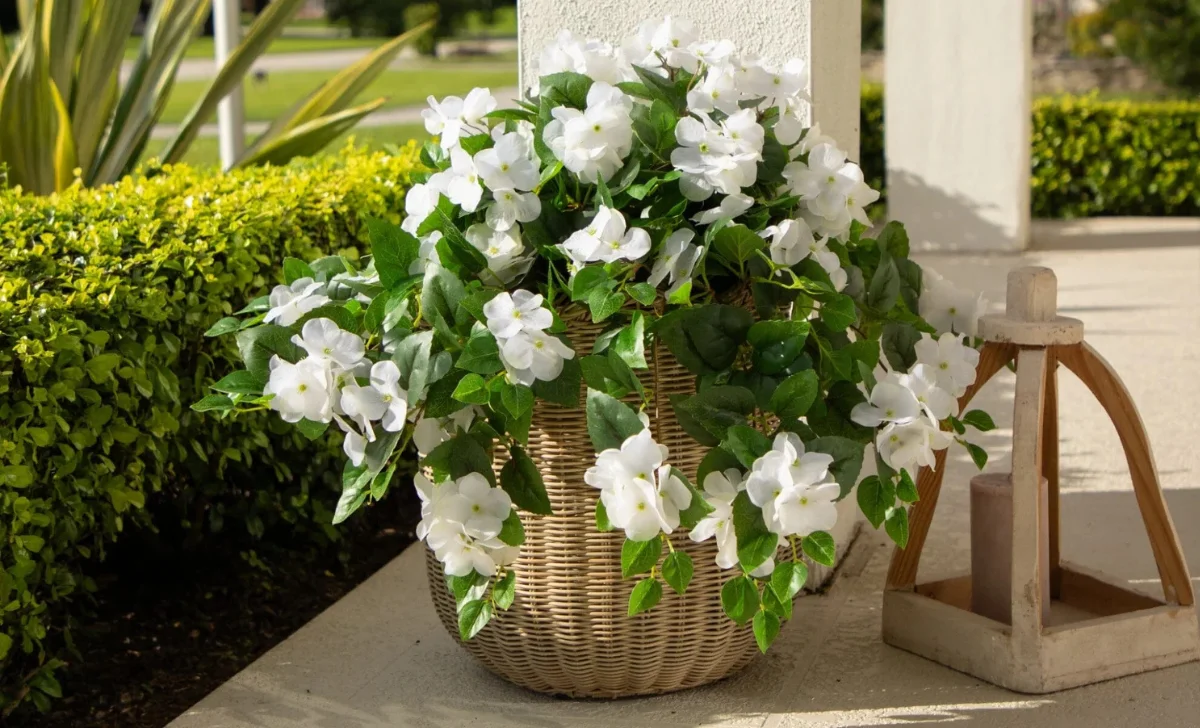
From an aesthetic standpoint, modern artificial trees can closely mimic real trees, offering a variety of styles, colors, and even pre-lit options. This flexibility allows them to fit seamlessly into any design scheme without the limitations imposed by the natural growth patterns of real trees.
Functionally, real trees can provide benefits beyond beauty, such as improving air quality and offering natural scents that artificial trees cannot replicate. The choice might depend on the functional priorities of the space, whether it’s purely aesthetic or there are environmental benefits to consider as well.
Ultimately, your decision will rely on your preferences and what works best for your circumstances. If the goal is to enhance a space with minimal maintenance, artificial trees might be preferable. However, for settings where the authenticity and environmental advantages of real trees are valued, they might prove to be the better choice.
In conclusion, choosing between artificial and real trees involves a careful consideration of costs, maintenance, environmental impact, and aesthetic preferences. Balancing these factors will help determine which option serves as the better long-term investment for your specific needs.
