
Missed the SB 721 Deadline? Here Is What Sacramento Apartment Owners Need to Do Now
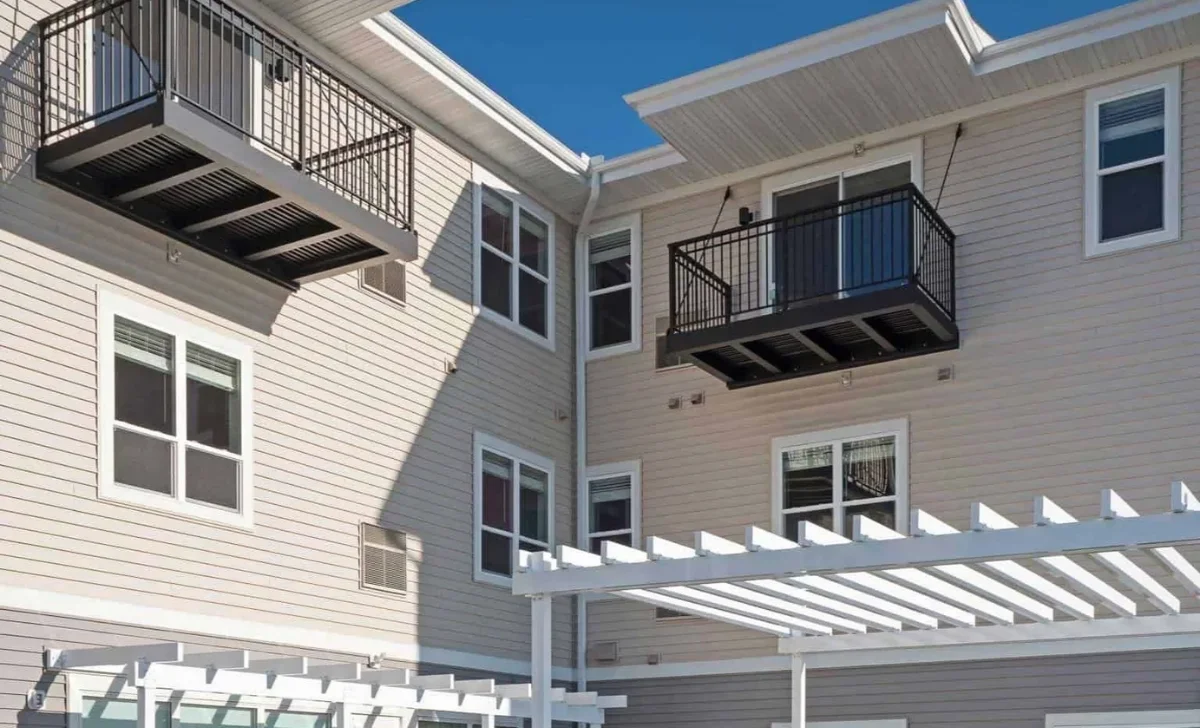
January 1, 2026 came and went. For apartment building owners across California who had not yet completed their mandatory balcony and deck inspections, that date marked the beginning of a new kind of problem. The grace period is over.
Enforcement agencies can now issue penalties, and every additional day without a finished inspection adds to the tab. If you own or manage a rental property with three or more units in the Sacramento area, the time to act was months ago — but the next best time is today.
SB 721 grew out of a preventable tragedy. A balcony attached to a residential building in Berkeley gave way in 2015, killing six people and seriously injuring seven more. Post-collapse analysis revealed extensive wood rot concealed behind intact exterior surfaces. The legislature responded with Section 17973 of the Health and Safety Code, requiring cyclical inspections of every exterior elevated element supported by wood framing.
AbdInspections https://abdinspections.com/sb-721-inspection/ has been guiding Sacramento property owners through this exact process — handling inspections, preparing reports, and executing repairs under a single contract. Delaying just makes things riskier. Here’s a straightforward guide to meeting the requirements.
Step One: Determine Whether Your Property Qualifies
Before scheduling anything, confirm that SB 721 actually applies to your building. The statute targets a specific category of residential real estate.
Your building is covered by SB 721 when it fits these conditions:
- Has three or more rental homes inside it
- Has exterior elevated elements — balconies, decks, porches, walkways, or stairways — positioned more than six feet above ground level
- Those elements incorporate wood or wood-composite materials in their structural framing
Triplexes qualify. So do large apartment complexes, student housing blocks, assisted living facilities, and mixed-use buildings with residential units on upper floors.
Condominiums managed by a homeowners association are governed by SB 326 instead — a related but separate statute with different inspector qualifications and timelines. If you are unsure which law covers your situation, a quick consultation with a qualified inspector can settle the question.
Step Two: Understand What the Inspection Involves
An SB 721 assessment is not a casual walk-around. The law prescribes a two-part examination: a complete visual survey followed by invasive structural testing.
During the visual phase, the inspector reviews every qualifying exterior element for evidence of deterioration — surface cracks, warped or deflected members, damaged coatings, staining that suggests moisture penetration, and corroded visible fasteners. Nothing gets skipped. Each balcony, each stairway, each walkway section is documented individually.
The invasive portion goes further. California mandates that a minimum of fifteen percent of each element category be physically probed. Inspectors remove small sections of the exterior skin and insert borescope cameras to evaluate hidden framing: joists, ledger boards, metal brackets, flashing systems, and waterproofing membranes.
Wood rot at wall connections, corroded anchor bolts, and failed moisture barriers are among the most frequent discoveries — none of which would be visible without opening up the structure. All test points are sealed and restored after examination.
Step Three: Review the Report and Plan Repairs
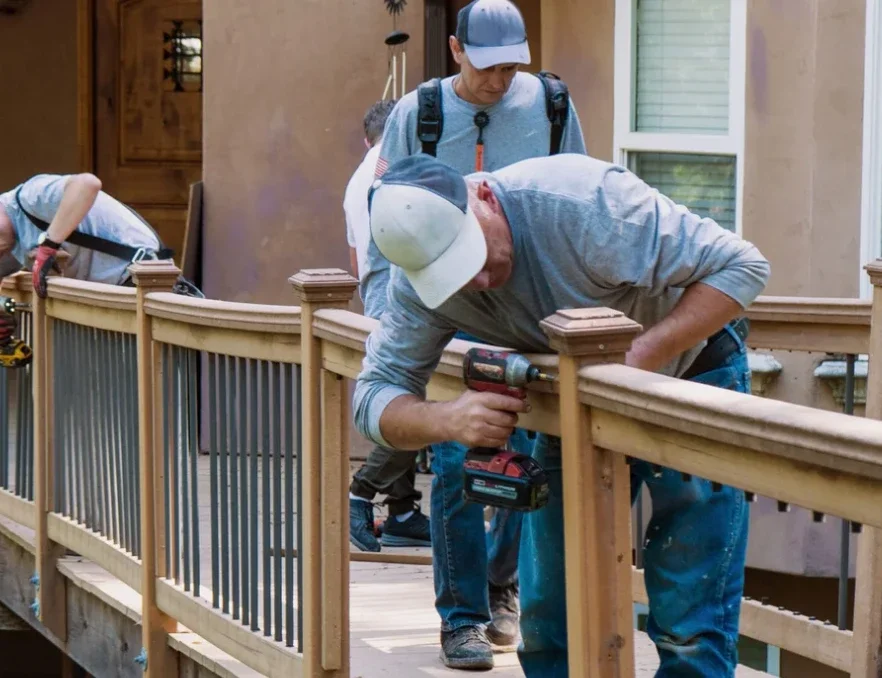
Once fieldwork concludes, the inspector compiles a detailed compliance report. This document becomes the official record of your property’s structural condition and must be filed with the local enforcement agency.
A complete report typically covers:
- A catalog of every exterior elevated element inspected, mapped by location
- Photographs documenting each identified deficiency from both visual and invasive testing
- Severity classifications that distinguish cosmetic wear from structural compromise
- Specific repair directives ranked by urgency — immediate hazards first, maintenance items second
- Notes on waterproofing system condition and projected service life
Properties where the inspector flags an imminent safety risk trigger mandatory notification to the building department. Emergency repairs must begin within the jurisdiction’s prescribed window, which is typically measured in weeks rather than months.
Step Four: Execute Repairs With a Qualified Team
AbdInspections keeps both sides of the equation — inspection and construction — under one roof. Their crew handles everything from targeted joist replacement to complete balcony teardown and rebuild, using Trex, TimberTech, Redwood, and Westcoat waterproofing. Work carries a warranty up to five years. A superintendent with over a thousand inspections on his record oversees each significant project personally.
Having a single contractor manage the full scope avoids a common trap: one company inspects, another bids the repair, and disagreements over scope drag the timeline out for months. With one team accountable from assessment through completion, repairs start faster and finish cleaner.
Step Five: Accept That Delay Has a Price
Fines accumulate at up to five hundred dollars per day. Each discrete violation spotted during enforcement can trigger a separate penalty of up to five thousand. Insurers are pulling coverage or hiking premiums on buildings without current inspection documentation.
And the liability exposure if someone gets hurt on an uninspected structure is enormous — courts in California view a missing report as near-automatic proof of negligence.
None of these outcomes improve with time. Get in touch with AbdInspections, schedule your assessment, and move your property out of the penalty zone.
