
Why Value in Interior Design Shapes First Impressions in Hospitality
The First Five Seconds Carry More Weight Than You Think
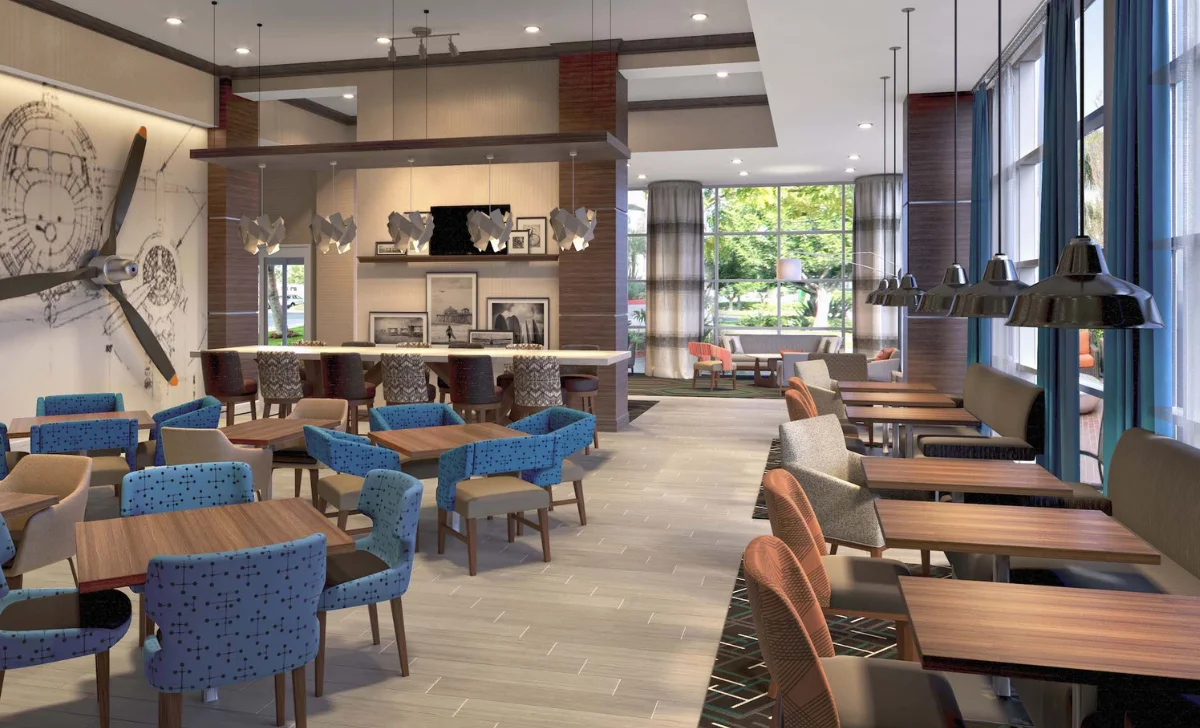
Walk into any hotel, and there’s a moment—brief, almost automatic—where everything is assessed. Lighting, layout, finishes, and even how intuitive the space feels. Visitors can simply tell if something feels right or wrong.
That reaction is where value in interior design begins to show up.
For owners and operators, that first impression isn’t just about aesthetics. It influences how guests rate the stay, how they perceive the brand, and whether they come back. Research has consistently pointed to design quality as a major contributor to guest satisfaction, especially in competitive midscale and upscale segments.
The important part is this: those impressions aren’t accidental. They’re planned, tested, and delivered through a process that connects design decisions with real operational outcomes.
Projects should start with that end in mind. What should a guest feel when they walk in? What needs to hold up after a year of heavy use? What can’t go wrong during installation?
Everything else builds from there.
What Is Value in Interior Design—Beyond the Surface
There’s a tendency to equate value with cost. In hospitality, that’s rarely accurate.
So, what is value in interior design in practical terms?
It comes down to choosing wisely at the moments that matter most:
- Where to invest for visual impact
- Where to prioritize durability
- Where to stay efficient without compromising perception
A well-designed hotel doesn’t spend evenly—it spends intentionally.
Take a lobby, for example. Guests will remember the arrival experience far more than the corridor leading to their room. That’s where materials, lighting, and furniture carry more weight. Meanwhile, back-of-house or low-visibility areas are designed to perform, not impress.
This is where working with a hospitality interior design firm changes the equation. It’s not just about creative direction—it’s about understanding how each design move affects procurement, installation, and long-term maintenance.
The goal isn’t to overspend. It’s to avoid spending in the wrong places.
Guests Decide Quickly—And Rarely Reconsider
The service industry runs on gut feeling just as much as clear thinking. Guests form an opinion almost immediately, and once it’s set, it’s hard to reverse.
Research shows that visual and spatial cues—lighting, materials, layout—strongly influence perceived service quality before any interaction with staff.
In other words, the space does the talking first.
Some of the biggest contributors to that initial impression are often subtle, like lighting that feels layered instead of flat, materials that contrast without clashing, layouts that guide movement without confusion and acoustics that keep spaces from feeling chaotic.
None of these is a headline feature on its own. But together, they shape how a property is experienced.
From a project standpoint, these decisions need to be resolved early. Waiting until installation to “adjust” lighting levels or material pairings usually leads to delays, added costs, or compromises that dilute the original intent.
Brand Standards Don’t Limit Design—They Focus It
There’s often a misconception that brand standards box designers in. In reality, they act more like guardrails.
Flags like Marriott or Hilton define expectations around layout, finishes, and guest flow. That consistency is part of what guests trust. But within those parameters, there’s still room to respond to location.
And that’s where projects start to stand out.
A property in Dubai shouldn’t feel identical to one in Austin or Berlin. Even within the same brand, materials, artwork, and subtle layout decisions can reflect the surrounding market.
The challenge is making those adjustments without slowing the project down.
Local sourcing, custom elements, and non-standard finishes all introduce complexity—longer lead times, additional approvals, and sometimes higher risk.
That’s why AK Design Group operates as both a hospitality design and procurement firm. Design ideas are evaluated against real sourcing conditions from the beginning, so there’s no disconnect between what’s envisioned and what can actually be delivered.
Procurement Is Where Design Either Holds or Falls Apart
Creating a place that appears good is just the beginning. It’s another to get every piece on-site, approved, and installed on schedule.
This is where many hospitality projects run into trouble.
FF&E procurement is often treated as a separate phase, when in reality it should be integrated from the start. Lead times, vendor reliability, and material availability all influence design decisions—whether acknowledged or not.
Industry data highlighted procurement delays as a consistent source of project overruns, particularly over the past few years.
When procurement is aligned early, those risks drop significantly.
Some firms build procurement into the design workflow, because of which:
- Vendors are engaged during design development
- Submittals are tracked and cleared early
- Lead times are mapped against construction schedules
- Backup options are identified before they’re needed
Roughly 60% of projects begin with interior design, but procurement is always part of the conversation from day one. That integration is what keeps projects moving when conditions shift.
The Model Room: Where Assumptions Get Tested
Before scaling anything across a property, there’s a checkpoint that often determines how smooth the rest of the project will be—the model room.
This is where design decisions meet reality.
It’s one thing to review finishes in a sample box. It’s another to see them installed, under actual lighting, with real use in mind.
The model room process helps answer practical questions:
- Does the furniture layout actually work?
- Do the materials hold up under expected use?
- Are there installation challenges that need to be addressed early?
Catching issues here is significantly less expensive than correcting them across 100+ rooms later.
Process Is What Protects the Timeline
Hospitality projects don’t have much room for error. Opening dates are tied to revenue projections, staffing plans, and brand commitments.
When delays happen, the impact compounds quickly.
Avoiding that comes down to process, not guesswork.
Strong projects typically share a few things in common:
- Clear submittals that don’t stall approvals
- Coordinated vendors who understand the schedule
- Ongoing budget visibility
- On-site oversight during installation
These aren’t the most visible parts of a project, but they’re the ones that keep everything on track.
Designing for Day 300, Not Just Day One
Opening day matters—but what happens after is just as important.
Hospitality interiors are used constantly. Materials wear down, furniture gets moved, and finishes are tested daily. What looks good on day one has to keep performing months later.
This is where value becomes long-term.
Ongoing maintenance and replacement costs can significantly impact operating margins. Poor material decisions early on tend to show up later as frequent repairs or full replacements.
That’s why lifecycle thinking is built into the design process:
- Can materials handle sustained use?
- Are replacements easy to source?
- Will maintenance teams be able to manage upkeep efficiently?
Design isn’t just how it looks—it’s really about how long it holds up.
A Working Relationship That Extends Beyond One Project
Most hospitality clients aren’t building just one property. They’re managing portfolios, timelines, and brand relationships across multiple locations.
Consistency matters in that environment.
AK Design Group approaches each project as part of a longer partnership. When design and procurement are aligned from the start, it creates a repeatable process—one that gets more efficient with each project.
That leads to:
- Faster onboarding for new developments
- More predictable budgets and timelines
- Stronger vendor coordination
As time passes, these smart choices build up—saving you hours and lowering dangers too.
Final Thought: Value Is Felt Immediately—and Proven Over Time
In hospitality, design is one of the few investments that guests interact with constantly. It shapes how they feel about the property from the moment they walk in.
That’s why value in interior design isn’t abstract. It’s immediate, in that first impression.
And it’s measurable, in how the space performs over time.
