
What Pet Owners Are Doing Differently as Dogs Age or Recover
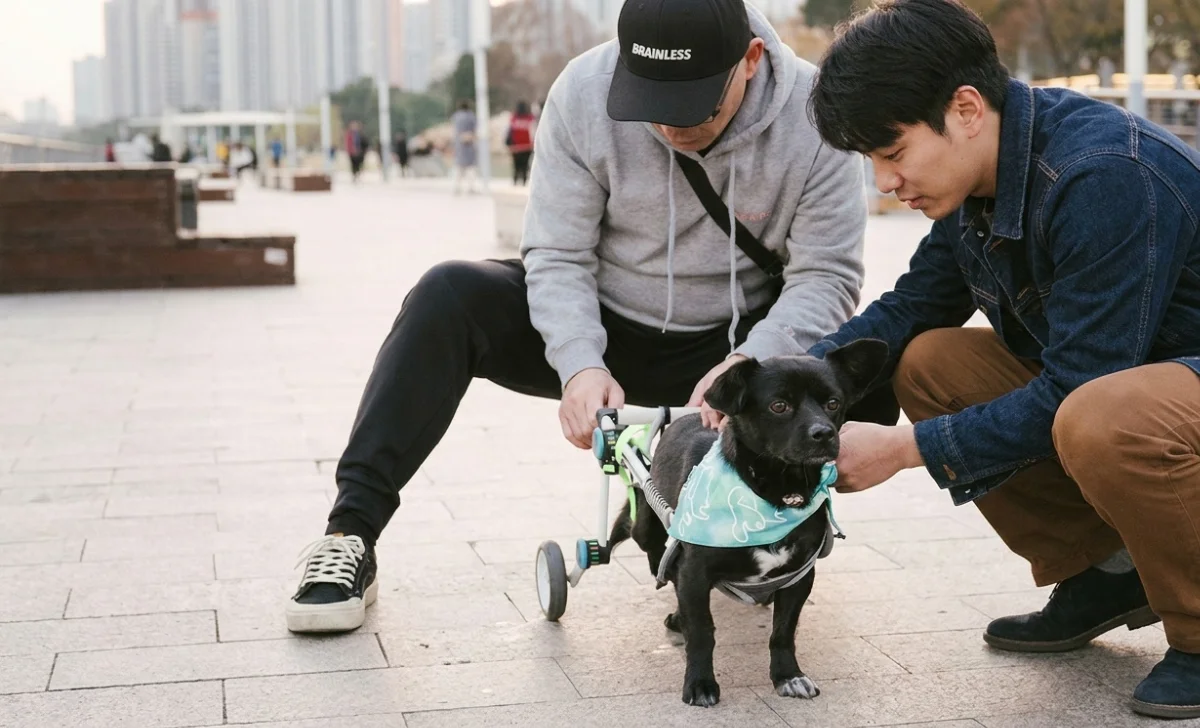
As dogs age or recover from injury or surgery, the way owners care for them has begun to shift in meaningful ways. Rather than accepting reduced mobility or lower activity levels as inevitable, many pet owners are taking a more proactive approach, focusing on recovery, comfort, and long-term quality of life.
This change reflects a broader understanding that dogs, like humans, benefit from structured support, rehabilitation, and adaptive care.
Mobility challenges are no longer seen as the end of an active lifestyle. With better awareness and access to supportive tools, owners are finding new ways to help their dogs stay engaged, mobile, and emotionally healthy. These changes are reshaping how aging and recovery are approached in everyday pet care.
Prioritizing Mobility Earlier in the Aging Process
One of the biggest changes among pet owners is the decision to address mobility issues earlier rather than waiting for them to become severe. Subtle signs such as slower movement, hesitation on stairs, or stiffness after rest are now being taken more seriously.
Catching problems early helps treat issues like arthritis or stiff joints more effectively. Instead of reacting to major decline, owners are focusing on maintaining strength and flexibility before significant mobility loss occurs. This change lets dogs remain mobile for more years and lowers the chance of other health problems.
Veterinary insights consistently emphasize that maintaining mobility is key to preserving overall health, as reduced movement can lead to muscle loss and decreased physical conditioning.
Embracing Assistive Mobility Solutions
Another big change is that more people now accept helpful tools like braces or supports. What used to be a final option is now viewed as a normal and helpful choice for many dogs.
Options available when owners buy dog wheelchairs are designed to provide stability, reduce strain on affected limbs, and allow dogs to remain active. These devices are not just for severe cases, they are increasingly used during recovery periods or in the early stages of mobility decline.
Studies find that wheeled carts can greatly boost a dog’s well-being, with over 60% of caregivers reporting noticeable improvements in daily activity and overall well-being.
This growing awareness has helped remove the stigma around mobility aids, positioning them as tools for independence rather than limitation.
Focusing on Rehabilitation, Not Just Rest
In the past, recovery often meant restricting activity and allowing time to heal. While rest remains important, modern approaches place greater emphasis on rehabilitation and controlled movement.
Structured rehabilitation programs help restore strength, coordination, and balance. Vet studies show that rehab helps dogs get back to everyday life safely and with fewer future issues.
Owners are increasingly working with professionals or following guided routines that include gentle exercise, stretching, and monitored activity. This approach supports faster recovery and helps dogs regain confidence in their movement.
Adapting the Home Environment for Comfort
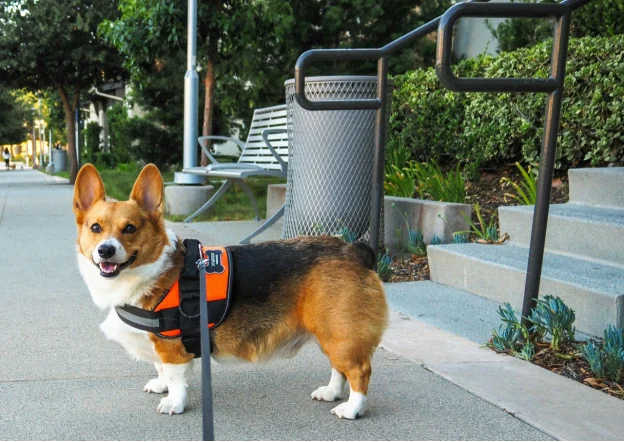
Pet owners are also making more intentional changes to their home environments to support aging or recovering dogs. Little changes can greatly lower stress on the body and make things safer.
Non-slip flooring, orthopedic bedding, and easy access to essential areas like food and water are becoming standard considerations. Ramps and step aids help dogs get around places that would be hard or risky otherwise.
These modifications are not just about convenience, they actively support mobility by reducing the risk of injury and encouraging movement in a controlled and comfortable way.
Supporting Mental and Emotional Well-Being
Trouble moving around does not only impact a dog’s body. Dogs that are less active may experience boredom, frustration, or changes in behavior. Recognizing this, owners are placing greater emphasis on maintaining mental stimulation.
Interactive play, short outdoor sessions, and continued social interaction all help dogs stay engaged. Mobility aids can also play a role here, as they allow dogs to participate in activities they might otherwise miss.
Evidence shows that increased mobility leads to improved mood and reduced stress, highlighting the connection between physical activity and emotional well-being in dogs.
When owners care for both body and mind, they help their dogs enjoy a better life.
Taking a Long-Term Approach to Care
Perhaps the most significant shift is the move toward long-term thinking. Instead of viewing mobility challenges as temporary or isolated issues, pet owners are considering how today’s decisions will impact their dog’s future.
This includes regular veterinary check-ups, ongoing monitoring of mobility, and adjustments to care routines as needed. Owners are becoming more attentive to subtle changes and more willing to adapt their approach over time.
This long-term perspective allows for better management of chronic conditions and helps ensure that dogs remain as comfortable and active as possible throughout their lives.
Rethinking What Aging Looks Like for Dogs
The way pet owners approach aging and recovery is evolving. Dogs are no longer expected to simply slow down without support, instead, they are being given the tools and care needed to continue living active, fulfilling lives.
Mobility support devices, rehabilitation strategies, and thoughtful home adaptations are all part of this shift. These shifts show we better understand how to help dogs at every age.
Veterinary and animal health research continues to reinforce that maintaining mobility, encouraging activity, and providing supportive care are essential for preserving both physical health and overall well-being in aging or recovering dogs.
