
Why Efficiency Is No Longer About Working Harder
For many small business owners, efficiency used to mean doing more in less time. Working longer, rushing more, and always doing several things at once used to be seen as being productive.
But that mindset is slowly changing.
Now, being efficient means working wisely, not just trying harder. It is about creating systems that reduce unnecessary effort, eliminate friction, and allow businesses to operate more smoothly without constant strain.
This change matters most for business owners who are trying to grow with little time and money.
The Hidden Cost of Disorganized Operations
In the early stages of a business, it is easy to overlook small inefficiencies. A few extra steps here, a manual process there, or a workaround that “just works for now.”
Over time, these small inefficiencies begin to stack up.
They show up as:
- wasted time
- physical fatigue
- miscommunication
- slowed-down workflows
For small teams, these issues are not just minor inconveniences. These things directly affect how much gets done, how people feel, and how the business grows over time.
Seeing these unseen drains is the first move toward running a business better.
Why Systems Matter More Than Size
There is a common belief that bigger businesses are naturally more efficient. In reality, efficiency has less to do with size and more to do with systems.
A well-structured small business can often outperform a larger one simply because it has fewer layers of complexity and better-organized processes.
The main thing is to spot repeating tasks and figure out how to make them easier or faster.
This applies across all areas of a business, from customer communication to inventory management to physical workflows.
Rethinking Everyday Workflows
One of the most overlooked areas of efficiency is how everyday tasks are handled.
These are the routines that happen daily:
- moving materials
- organizing workspace
- handling waste or excess inventory
- maintaining a clean and functional environment
One by one, these tasks look tiny. All together, they eat up plenty of time and energy.
When these processes are inefficient, they create constant interruptions that break focus and slow down productivity.
Small Changes That Create Big Impact
Getting more efficient doesn’t always need big spending or complicated setups. In many cases, it comes down to making practical improvements that remove unnecessary effort from daily operations.
For example, in environments where materials or waste need to be moved frequently, relying on manual handling can quickly become both time-consuming and physically demanding.
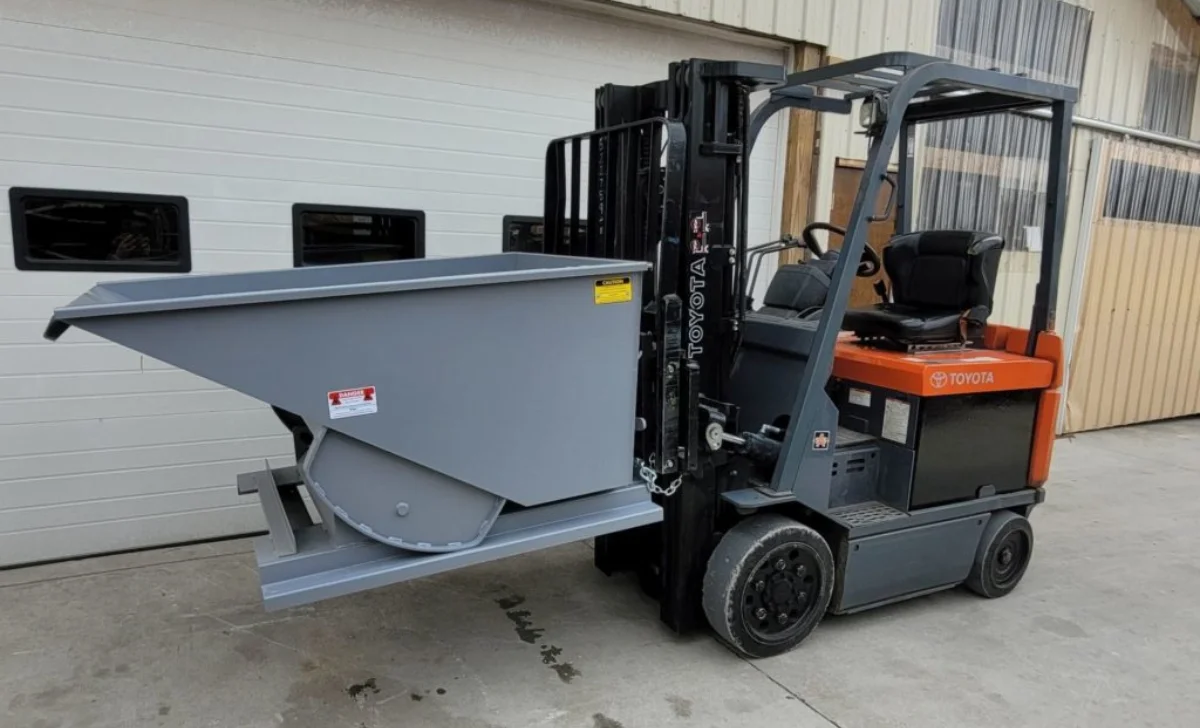
This is where simple, well-designed solutions can make a meaningful difference. Equipment like self-dumping hoppers allows businesses to handle bulk materials more efficiently by reducing the need for repeated manual unloading and minimizing disruption to workflow.
These systems are designed to work with existing equipment, making them an accessible upgrade rather than a complete operational overhaul.
It’s not about adding difficulty—it’s about removing things that slow you.
Creating a More Sustainable Way to Work
Efficiency is not just about speed. It is also about sustainability.
When processes are overly demanding, they lead to burnout, mistakes, and higher operational costs over time.
Smarter systems help create a more balanced workflow by:
- reducing physical strain
- improving consistency
- minimizing unnecessary repetition
This helps owners and their teams stay productive without always having to go past their limits.
The Role of Environment in Productivity
A clean, organized work area helps a business operate more easily.
Mess, poor organization, and badly planned work steps can hold back even the most skilled teams.
On the other hand, a clean and structured environment supports focus, safety, and smoother execution of tasks.
This is why many businesses are rethinking not just what they do, but how their physical space supports those activities.
Efficiency is not only digital. It is physical as well.
Building Systems That Grow With You
When a business grows, the old systems that worked fine may not be enough anymore.
What used to be manageable manually can become overwhelming as volume increases.
That’s why you need to set up systems that can grow right from the start.
Scalable systems:
- handle increased demand without breaking
- reduce the need for constant adjustments
- let teams put energy into growing instead of just keeping things running
Tiny upgrades in how work flows can make a big difference when a business gets larger.
A Smarter Approach to Growth
Growth does not have to mean more chaos.
With the right approach, it can mean more clarity, better organization, and smoother operations.
By focusing on efficiency at every level, small businesses can create a foundation that supports long-term success without unnecessary stress.
This includes:
- simplifying processes
- investing in practical solutions
- designing workflows that reduce friction
These are not dramatic changes. But they are meaningful ones.
Conclusion
In today’s fast world, being efficient no longer means doing more. It means doing things in a better way.
Small businesses that focus on smarter systems rather than harder work are better positioned to grow, adapt, and succeed over time.
Sometimes, the most helpful changes are not the hardest or most complicated ones. They are the small changes that quietly make daily work simpler, smoother, and easier to keep up.
