
Choosing Between PEX and Copper for Your Home Repipe
A full repipe is one of those projects where the decision you make upfront follows you for the next 30 or 40 years. The pipe material you go with affects what you spend today, how the job gets done, and whether you’re calling a plumber again in 15 years or not.
PEX and copper are the two real options on the table, and they’re genuinely different in ways that matter depending on your home, your water, and where you live.
Knowing How PEX and Copper Pipes Are Different
Copper has been the usual choice in US houses from the 1960s onward. It’s rigid, so it needs fittings and soldered joints at every bend and turn. It handles heat really well, doesn’t grow bacteria, and you can run it outside without worrying about it breaking down in the sun.
The weak spot with copper is your water. If your water is acidic or has high chloride content, copper slowly corrodes from the inside and starts throwing pinhole leaks. And it rarely stops at just one. Once you get the first one, others tend to show up across the system not long after.
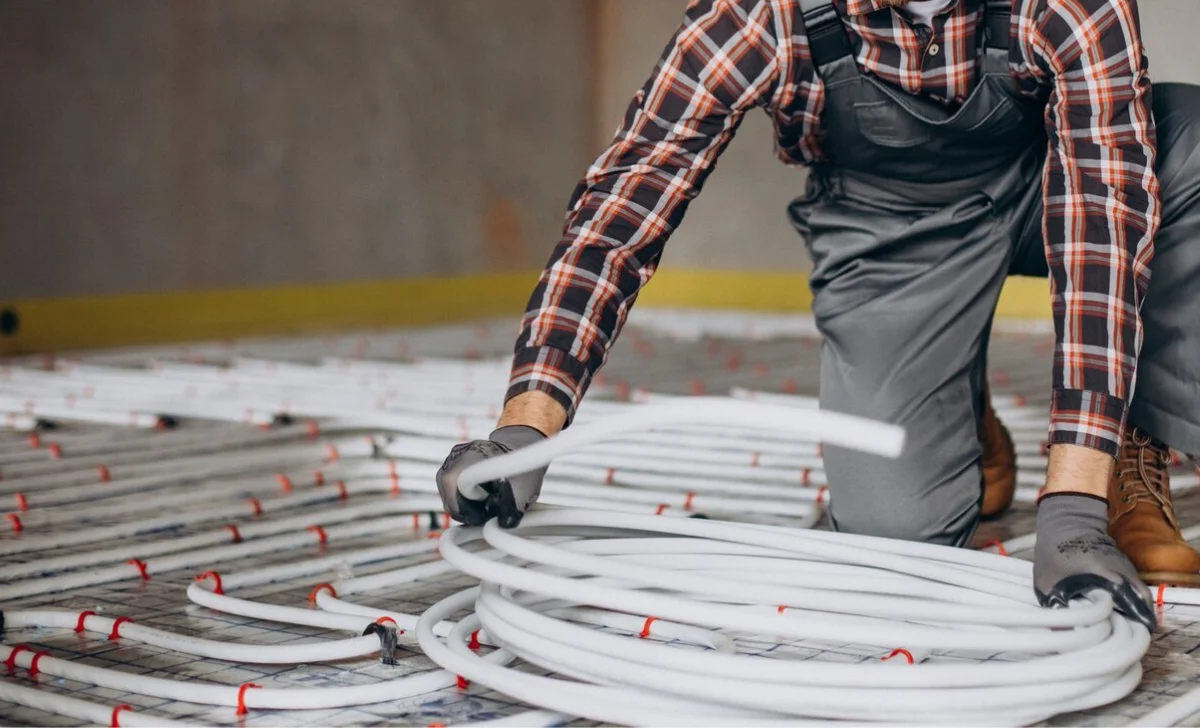
PEX is cross-linked polyethylene, basically a flexible plastic tube. It curves around corners without extra connectors, so it goes in quicker and costs less. It comes in three versions: PEX-A is the most flexible and least likely to kink, PEX-B is a little stiffer but easy to find and budget-friendly, and PEX-C is the least flexible of the bunch.
The one thing you can’t do with PEX is connect it straight to your water heater. You need a short copper or CPVC transition piece at that connection because the heat will break down the plastic over time. It also can’t handle sunlight, so outdoor runs aren’t an option without protecting it.
If you’re lining up materials before the job kicks off, 24hr supply is handy for tracking down specific fittings or tubing without holding up your timeline.
Cost Comparison: PEX vs. Copper Repiping
Installation and Labor Costs
A full PEX repipe typically runs somewhere between $4,000 and $10,000 depending on your home’s size and where you live. Copper for the same job usually lands between $8,000 and $16,000, sometimes more. That difference comes down to material cost and how long the job takes.
Copper pipe material alone runs $2 to $8 per linear foot, while PEX comes in at $0.40 to $2 per foot, so the material cost difference is significant before labor even enters the picture. On top of that, every single fitting has to be soldered by hand. PEX goes in with far fewer connection points and doesn’t need soldering, so the plumber moves faster and cuts into your walls a lot less..
Long-Term Maintenance and Repair Expenses
Good copper in neutral water can last 50 to 70 years without much fuss. PEX typically lasts 40 to 50 years in real-world use, though how long it holds up leans heavily on your water quality and what kind of fittings get used. The 25-year figure you’ll sometimes see is just the manufacturer’s warranty period, not the actual lifespan.
The tubing itself rarely causes problems. Where PEX tends to fail is at the brass fittings, which can break down through a process called dezincification when your water has certain minerals in it. The fix is simple though: make sure your plumber uses lead-free, dezincification-resistant fittings from the start.
Durability, Lifespan, and Performance in Daily Use
Copper doesn’t move around with heat and cold the way other materials do, so it stays put in its fittings and keeps your pressure steady over the years. It doesn’t put anything into your water, holds up against rodents, and any plumber in the country can fix it.
Where copper falls apart fast is in a hard freeze. Water expands when it freezes, and rigid copper pipe doesn’t give at all, so it cracks. If you’re in a part of the country that gets real winters, one bad cold snap can burst multiple pipes if they’re not insulated properly.
PEX handles that situation better because it’s got some flexibility to it. When water inside freezes and expands, PEX can move with it and bounce back once it thaws, usually without cracking. It won’t resist freezing, but it allows more mistakes than copper would.
PEX also holds onto heat a bit better as water travels through it, which matters if you’ve got long runs from the heater to your fixtures. The catch is that heavy chlorine in your water can slowly break down PEX over many years, so ask your plumber about the specific brand they’re planning to use if you’re on city water.
Which Pipe Replacement Choice Suits Your House Best?
Go with PEX if:
- Your water is hard or acidic. PEX doesn’t corrode or pit the way copper does in low-pH or high-mineral water, so it’ll hold up longer in homes where pinhole leaks have already shown up.
- You’re in a cold climate. PEX’s flexibility makes it more forgiving in a freeze, and that can save you from a really expensive repair after a rough winter.
- Budget is a real factor. Saving $4,000 to $8,000 on a repipe is serious money, and PEX performs well enough that it’s an easy trade for most homeowners.
- Your home has a tricky layout. Flexible tubing gets through walls and around obstacles without the extra cuts and fittings that rigid copper needs, which means less patching when the job’s done.
Go with copper if:
- Your water is clean and your climate is mild. Copper in those conditions can go 50 to 70 years with almost nothing in the way of upkeep, and that’s hard to beat.
- You’ve got outdoor plumbing. Copper lives outside just fine. PEX doesn’t without cover from UV light.
- You’re thinking about resale. Buyers and inspectors still look at copper favorably, and it holds up well when your home is under the microscope during a sale.
- You don’t want any plastic in your water system. Copper is the clean answer to that concern.
It’s also worth bringing up a hybrid setup with your plumber. A lot of contractors use copper close to the water heater, under sinks, and anywhere exposed, then switch to PEX for everything running through walls and under the floor. You enjoy the good points of each without paying the full cost of copper everywhere.
Pull two or three quotes and ask each plumber why they’re recommending what they’re recommending for your home specifically.
Wrapping Up
PEX costs less, goes in faster, and handles cold climates and bad water better than copper. Copper outlasts it in the right conditions and doesn’t come with any of the restrictions around sun exposure, outdoor use, or water heater hookups. Neither one is the obvious winner for every home.
Choose the option that matches your water type, your weather, and how many years you expect to live there. Get real quotes, ask direct questions, and trust the plumber who gives you a straight answer over one who just tells you what they prefer to install.
