
Beyond the Surface: How to Boost Your Skin’s Collagen Production After 30
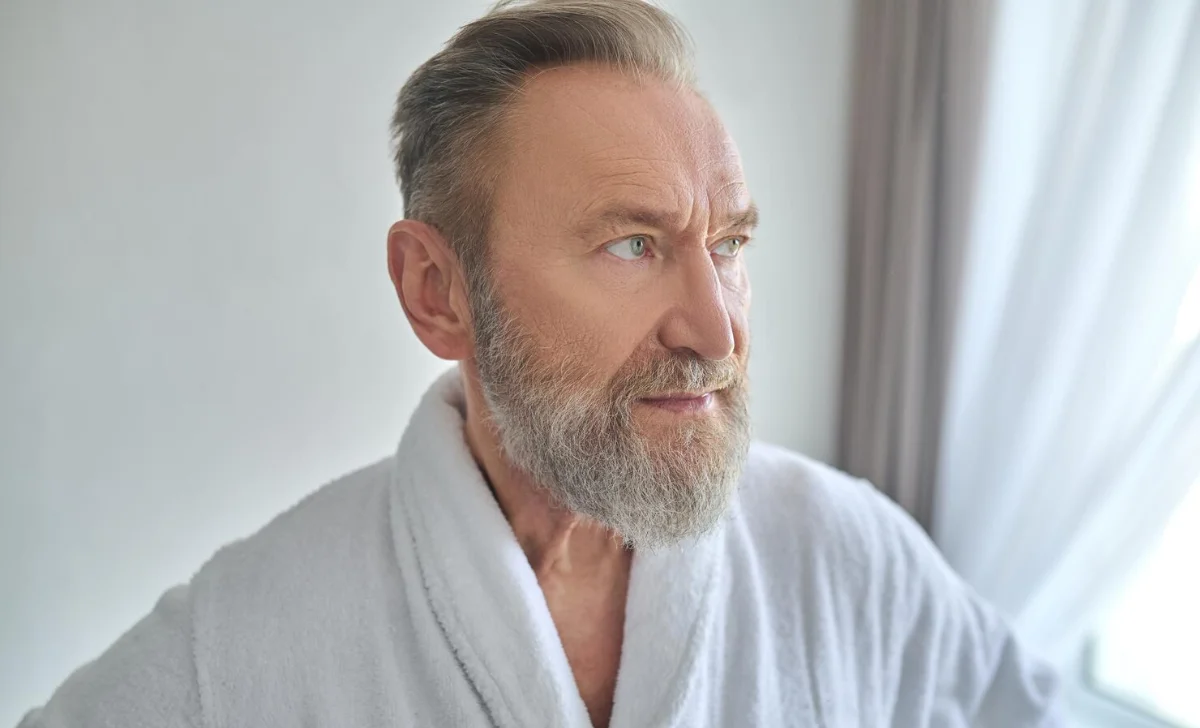
You probably do not think much about collagen in your twenties. I know I did not. Skin looked fine, photos looked fine, and honestly, skincare felt more like a hobby than a necessity. Then somewhere after 30, things start to shift. Maybe it is a little less bounce in your cheeks. Maybe those smile lines stick around longer than they used to. It is subtle at first… until one day it is not.
The good news? Your body still produces collagen after 30. Just not as efficiently. And there are actually several realistic ways to encourage that process naturally and professionally.
What Happens to Collagen After 30?
Collagen is the primary protein found throughout your body. It works as a framework for your skin, making it firm, smooth, and able to bounce back.
According to researchers at the American Academy of Dermatology, adults lose approximately 1% of their collagen production every year after the age of 20. That sounds tiny, but over a decade or two, it adds up.
Dr. Shari Lipner, dermatologist and associate professor at Weill Cornell Medicine, explains:
“Collagen is a key part of your skin, hair, nails, bones, and the tissues that connect things, and your body makes less of it as you get older.”
That decline is completely normal. The problem is that modern lifestyles often accelerate it.
Stress, poor sleep, smoking, excessive sun exposure, and diets loaded with processed foods can all contribute to faster collagen breakdown. So if you feel like your skin aged overnight… well, actually, there is usually a lot happening beneath the surface.
Sun Protection Is Probably More Important Than Any Serum
This is not the most exciting advice, but it might be the most effective.
Ultraviolet radiation damages collagen fibers and triggers enzymes that break existing collagen down. You can spend hundreds on treatments, but if daily sun protection is missing, you are basically trying to fill a bucket with a hole in it.
The Skin Cancer Foundation says that sun exposure causes almost all of the signs of skin aging you can see, up to 90%.
That amount stunned me initially. I honestly felt it appeared excessively high. But the more dermatologists explain photoaging, the more it makes sense.
A broad spectrum sunscreen with SPF 30 or higher should become part of your daily routine, even on cloudy days and even when you are mostly indoors near windows. Not glamorous. Extremely effective.
Feed Your Skin What It Actually Needs
To make collagen, your body needs many nutrients. It cannot just make collagen from nothing. It requires amino acids, vitamins, and minerals to build new collagen fibers. Some of the most important nutrients include:
You get Vitamin C from fruits like oranges, berries, kiwi, and peppers. Foods rich in protein include eggs, fish, chicken, beans, and Greek yogurt. Zinc from nuts, seeds, seafood, and legumes.
Copper from mushrooms, nuts, and whole grains. Research published in the journal Nutrients suggests that adequate vitamin C intake plays a critical role in collagen synthesis and skin health.
I started paying more attention to protein intake a while back for fitness reasons, not skin reasons. Funny enough, my skin seemed healthier too. Maybe coincidence, maybe not… but the science actually supports the connection.
The Truth About Collagen Supplements
Collagen supplements are everywhere right now. Powders. Gummies. Drinks. Coffee creamers. You name it.
Do they work?
The answer is a cautious yes. A systematic review published in the International Journal of Dermatology found that oral collagen supplementation may improve skin hydration, elasticity, and dermal collagen density in certain individuals.
That does not mean results come overnight.
Most studies showing benefits involve consistent use over several months. If you try collagen powder for five days and expect dramatic results, you will probably be disappointed.
The key word here is consistency. Not excitement.
Retinoids Remain the Gold Standard
Whenever dermatologists discuss collagen stimulation, retinoids almost always enter the conversation.
Retinoids are forms of vitamin A that help your skin cells renew and slowly boost collagen making.
Dr. Rachel Nazarian of Mount Sinai Hospital has stated:
“Retinoids are one of the most well studied ingredients we have for improving collagen production and reducing signs of aging.”
The downside?
Your skin may need time to adjust.
Dryness, irritation, and flaking are common during the first few weeks. That can be frustrating. I recall using a retinol cream a long time ago and questioning if I had done something very wrong. Thankfully, the adjustment period passed. Start slowly and be patient.
Professional Treatments That Stimulate Collagen
Sometimes lifestyle improvements and skincare products are not enough. That is where professional collagen stimulating treatments come into play.
Microneedling, radiofrequency procedures, laser treatments, and injectable collagen stimulators are increasingly popular because they encourage the body to repair itself naturally.
One treatment that receives significant attention is Sculptra.
Unlike common fillers that just add fullness right away, Sculptra gets your body to make its own collagen slowly.
If you are considering professional aesthetic treatments, it is essential to research providers carefully and order from professional sculptra supplier sources that meet appropriate medical and regulatory standards. Product authenticity and practitioner expertise matter much more than social media hype.
And honestly, social media hype can be loud. Sometimes very loud.
Pro Tip: Prioritize Sleep More Than You Think
People often search for the perfect serum while ignoring sleep. Most of your body’s fixing and healing happens while you are sleeping. Growth hormone production increases, tissue repair occurs, and cellular recovery processes become more active.
The Sleep Foundation says that long-term lack of sleep harms how well your skin’s protective layer works and recovers. Try aiming for seven to nine hours consistently.
Not occasionally. Consistently. This is often when you begin to see a big change.
Exercise Supports More Than Your Waistline
Exercise does not directly manufacture collagen, but it improves circulation and overall health in ways that support skin function. Good blood flow lets nutrients and oxygen reach skin cells more easily.
There is also a noticeable mental effect Those who work out often sleep sounder, handle stress better, and pick healthier foods. All of those factors indirectly support collagen preservation.
So yes, that daily walk counts. Maybe not as dramatically as a laser treatment, but it absolutely contributes.
The Stress Factor Nobody Likes to Talk About
Stress is difficult because it feels invisible. You cannot always see it. Your skin can.
Long-term stress raises cortisol, possibly leading to collagen damage and swelling.
At one time, I had too many tasks due all at the same time. My skincare routine had not changed, my diet was mostly the same, yet my skin looked tired all the time. Looking back, stress was probably the missing piece.
That experience made me appreciate how interconnected everything really is.
Your skin’s health is directly linked to your health as a whole.
It is often a reflection of it.
Pro Tip: Avoid Chasing Every Trend
It feels like a new amazing ingredient shows up every few months.
Snail mucin. Salmon DNA. Collagen stickers. Ice facials.
Something else next week… Some trends are helpful. Some are harmless. Some are mostly marketing.
Before spending money, ask a simple question:
Is there actual evidence supporting this?
Evidence based habits may feel less exciting than viral trends, but they usually produce better long term results.
The Pros and Cons of Boosting Collagen Production
There are genuine benefits to supporting collagen production. Improved skin firmness. Better hydration.
Reduced appearance of fine lines. Enhanced skin texture. Long term skin resilience. But there are limitations too. Results take time. Not every treatment works equally for every person. Professional procedures can be expensive.
And no approach completely stops aging. The final idea matters. We aim for skin that is healthier, not flawless. Perfect skin is mostly a lighting trick anyway.
Final Thoughts
Boosting collagen production after 30 is less about finding one magical solution and more about combining several evidence based habits. Shield your skin from sun rays. Choose foods packed with nutrients. Consider retinoids. Explore professional treatments when appropriate. Sleep well. Manage stress. Move your body regularly.
None of these strategies are particularly flashy. In fact, some of them are almost boring. But boring habits often create the best long term results.
Your skin is constantly rebuilding itself, adapting, and responding to how you treat it. Give it the right support, stay patient, and remember that collagen health is a marathon rather than a sprint. And honestly… that is probably a healthier way to think about aging too.
