
Transforming an Unused Basement into a Cozy Home Wellness & Yoga Space
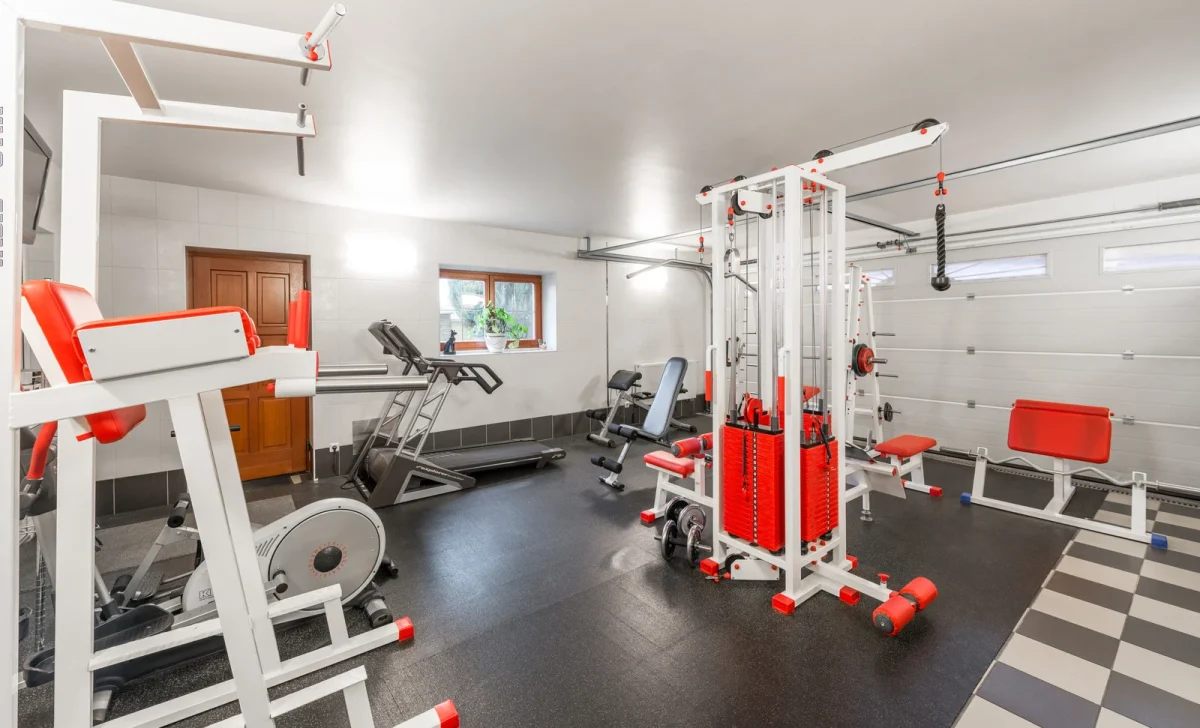
Finding a quiet, dedicated space at home to unplug, stretch, and relax can feel almost impossible in a busy household. Unused basements often become dumping grounds for old boxes, yet they hold incredible potential for a personal wellness retreat. Because lower-level spaces naturally sit away from main-floor noise and foot traffic, they provide an ideal setting for exercise and relaxation.
If you are ready to turn a cold subterranean room into a comfortable wellness space, searching for trusted professionals in basement remodeling near me is the best first step to assess moisture control, heating, and structural needs. With the right combination of soft lighting, natural textures, and climate control, your underutilized basement can quickly become a comfortable home wellness room.
Preparing the Infrastructure for a Basement Wellness Space
Before unrolling a yoga mat or setting up your exercise equipment, establishing a clean, dry, and comfortable foundation is essential. Basements present unique environmental conditions that differ from upper-level rooms, primarily regarding moisture, ventilation, and sound transmission. Paying attention to these foundational details ensures your space remains healthy, inviting, and durable.
Addressing Moisture, Insulation, and Air Quality
Subterranean spaces are prone to dampness, humidity, and cool drafts. To create an environment conducive to comfortable breathing and exercise, installing a vapor barrier alongside subfloor insulation is critical.
Proper moisture control helps prevent mold growth and protects indoor air quality. Pair insulation with a dedicated dehumidifier and HEPA air filtration unit to keep the air fresh. A quiet HVAC extension or radiant floor heating system ensures the room stays warm during winter yoga sessions, preventing chilly concrete from becoming a distraction.
Acoustic Dampening for a Quieter Space
While basements naturally shield you from street noise, they can echo footfalls from upstairs living areas. To create a quieter environment for exercise, install sound-dampening acoustic insulation within ceiling joists.
Adding resilient channels beneath drywall panels further decouples the ceiling from upper floors, absorbing impact noise from above. Decorative wall-mounted acoustic felt panels or wood slat walls backed with sound-absorbing felt reduce interior echo while adding visual warmth.
Designing the Aesthetic: Lighting, Colors, and Natural Textures
Traditional basements often suffer from low ceilings and limited natural sunlight. Overcoming these spatial challenges requires intentional design choices that emphasize warmth, airiness, and natural elements that make the room feel more inviting.
Overcoming Low Daylight with Layered Ambient Lighting
Harsh overhead lighting can make a yoga and exercise room feel uncomfortable. Instead, utilize a layered lighting scheme centered on warm-toned LEDs (2700K to 3000K).
Dimmable recessed ceiling lights allow you to adjust brightness levels according to your activity, brighter for energetic morning yoga flows and lower for evening stretching or relaxation.
Complement recessed fixtures with floor lamps and hidden LED strip lights tucked along baseboards. If your basement includes small window wells, add light-filtering linen curtains and place wall mirrors opposite windows to bounce daylight throughout the room.
Flooring Selection for Comfort and Flexibility
Concrete floor slabs require careful surface selection to provide comfort and support during movement. Hardwood, cork, or bamboo flooring installed over a cushioned underlayment provides flexibility and visual warmth.
Cork is an excellent choice for home wellness spaces because it is warm underfoot and offers built-in shock absorption during active practices.
| Wellness Surface Option | Physical Benefits | Aesthetic & Maintenance | Ideal Practice Type |
|---|---|---|---|
| Natural Cork | Shock-absorbent, warm underfoot | Soft organic look, simple wipe-down | Gentle yoga, Pilates, floor stretches |
| Engineered Hardwood | Durable, classic structural support | Timeless visual appeal, low dust | Vinyasa flow, dynamic movement |
| Interlocking EVA Foam | Maximum cushioning, water-resistant | Modular layout options, simple cleaning | Restorative yoga, stretching, floor exercises |
| Bamboo Flooring | Eco-friendly, resilient surface | Sleek modern feel, stain-resistant | Hot yoga, stretching, general exercise |
Curating Your Wellness and Yoga Essentials
Once the physical environment is stabilized and visually inviting, organizing your practice tools transforms the room into a functional wellness space. Visual clutter can become distracting, so custom storage and dedicated activity zones are essential for maintaining a comfortable and organized environment.
Dedicated Zones for Movement, Exercise, and Recovery
Organize the room into distinct functional areas based on your daily wellness routines. Keep the central floor area clear for movement, leaving ample room to extend arms and legs without touching walls.
Designate a quiet corner for stretching and seated relaxation, featuring a low wooden platform, comfortable cushions, and woven floor rugs. If space permits, incorporate a recovery zone equipped with a massage table, an infrared sauna cabin, or a small refreshment station.
Essential Elements for Sensory Comfort
Creating a comfortable environment involves thoughtful choices that appeal to your senses. Incorporate these key accessories into your studio layout:
- Aromatherapy Stations: Use an ultrasonic essential oil diffuser with pleasant scents such as lavender, cedarwood, vanilla, or eucalyptus to create a fresh and relaxing atmosphere.
- Integrated Sound Systems: You can install bluetooth speakers or hidden wall speakers.
- Storage and Organization: Use built-in floating shelves or woven storage baskets to neatly store yoga blocks, cotton straps, bolsters, and extra blankets out of sight.
- Greenery: Introduce shade-tolerant indoor plants such as snake plants or pothos under grow lights to add greenery and make the room feel more inviting.
Maintaining Your Home Wellness Space for Long-Term Use
Transforming an underused lower level into a personal wellness space is a practical investment in your daily comfort and fitness routine. By prioritizing proper moisture control, warm layered lighting, acoustic dampening, and minimalist organization, you can convert neglected square footage into a private retreat.
Having a quiet space dedicated to exercise, stretching, and relaxation makes it easier to maintain a consistent wellness routine. Over time, your basement wellness room can become a comfortable place to exercise, unwind, and take a break from the activity of the rest of the home.
