
7 Warning Signs a Tree Near Your Home Needs Attention
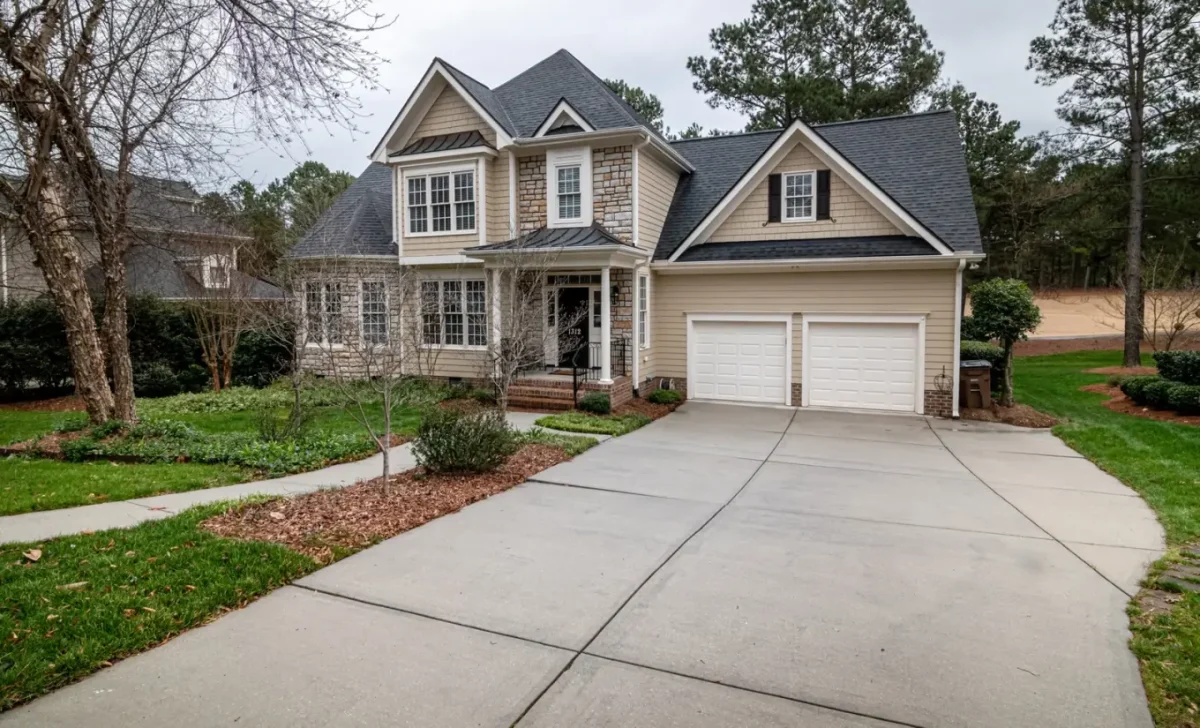
You walk past it every morning. The big oak by the driveway, the pine that shades the back patio, the palm by the pool. It’s been there longer than you have, so it feels permanent.
Then a summer storm rolls through, a limb comes down on the car, and suddenly you’re wondering what else you missed.
Most trees don’t fail out of nowhere. They give off signals for months, sometimes years, before a branch drops or a trunk gives way. The trick is knowing what those signals look like. Here are seven worth checking for, especially if you live somewhere with heavy rain and strong summer storms like Florida.
1. Dead Branches in the Canopy
A dead branch will fall eventually. The only question is when. Look up into the crown on a clear day. Dead limbs stand out because they have no leaves during the growing season, the bark often peels away, and the wood looks grey or bleached.
Don’t judge by leaves alone, though. Some Florida trees drop their leaves for part of the year, so a bare tree in winter isn’t necessarily a dead one. Snap a small twig: if it’s green and flexible inside, it’s alive. If it’s brittle and brown, it’s not.
Small dead twigs are normal. What matters are dead limbs thick enough to hurt someone, hanging over the roof, the driveway or a spot where people sit. Homeowners who have a local tree care team like Swift Tree & Landscape in Port St. Lucie looks over their trees once a year and usually gets these limbs taken down long before they turn into an emergency.
2. A Sharp V Where Two Trunks Meet
Two trunks of similar size growing from one point create a weak joint. Arborists call these codominant stems. The problem isn’t the shape itself, it’s what forms inside the crotch.
When the angle is tight, bark gets trapped between the two stems as they grow. That “included bark” stops the wood from fusing properly, so the joint is held together by much less than it looks. A long vertical seam running down from the V is the telltale sign.
These joints often hold for years, then split in one bad storm. If you spot one on a big tree near the house, it’s worth asking a professional whether cabling, bracing or reducing one of the stems makes sense.
3. Cracks in the Trunk or Main Limbs
A deep crack means the wood has already started to fail. Look for long splits running up the trunk, or cracks where a large limb meets the trunk.
Not every crack is an emergency. Shallow surface splits in the bark can happen as a tree grows. But a crack you can slide a finger into, or one that goes all the way through a limb, is a structural problem. Check after storms in particular, since high winds can open up cracks that weren’t there before.
4. Mushrooms, Conks or Soft Wood
Fungus on the trunk or roots usually means decay is happening inside. Shelf-like growths called conks, clusters of mushrooms at the base, and soft or crumbly wood are all signs that something is breaking down the tree’s structure.
The tricky part is that decay hides. By the time you see a mushroom, the rot may have spread well inside the trunk. Carpenter ants and animal nesting holes are other clues that the wood has gone soft.
In Florida, palms deserve extra attention here. A conk near the base of a palm can signal Ganoderma butt rot, a fungal disease with no cure that weakens the trunk from the inside.
5. Hollow Spots and Cavities
A cavity is an open door for decay. Holes in the trunk often start at an old injury or a bad pruning cut. Over time, fungi move in and hollow out the wood.
A small cavity on a large, healthy trunk may not be a big deal. A large one, or a cavity that takes up a big share of the trunk’s width, seriously reduces how much wind the tree can handle. If you can see daylight through it, or fit your hand deep inside, have it looked at.
6. A New or Growing Lean
An old lean is usually fine. A new one is not. Plenty of trees grow at an angle toward the light, and they adapt by building extra wood on the leaning side. Those trees can stand for decades.
The concern is a lean that appears suddenly, often after a storm or heavy rain, or one that keeps getting worse. Watch the ground on the opposite side of the lean. Cracked, lifted or mounded soil around the base means the roots are pulling out, and the tree may be close to falling. Treat that as urgent.
7. Damaged or Buried Roots
Root problems are the hardest to see and the easiest to cause. Roots sit mostly in the top foot or two of soil and spread well beyond the canopy. Trenching for a new pipe, pouring a driveway or a pool deck, or piling soil over the root zone can damage them without anyone noticing for years.
Signs to watch for include thinning leaves on one side of the tree, dead branches near the top, and fungus around the base. If you’ve had construction work near a tree in the last few years, keep a closer eye on it than usual.
What to Do If You Spot These Signs
Don’t panic, and don’t rush to cut it down. A defect raises the chance of failure, but it doesn’t guarantee one. The real risk depends on how severe the problem is and what’s underneath the tree. A dead limb over an empty corner of the yard is a different story from the same limb hanging over a bedroom.
University of Florida researchers have studied this closely, and their homeowner guide on recognizing conditions that increase the likelihood of tree failure is worth a read before you make any decisions. It walks through these same defects with photos, which helps when you’re standing in the yard trying to work out what you’re looking at.
From there, a few simple habits go a long way:
- Walk your property twice a year. Once before storm season and once after it ends.
- Check after every major storm. Look for new cracks, hanging limbs and fresh leans.
- Take photos. Pictures make it easy to tell whether a lean or crack is getting worse.
- Call a certified arborist for anything big. Large trees near the house, cracked trunks and new leans all need a trained eye.
Conclusion
Trees are some of the most valuable things on your property. They cool the house, frame the yard and add real curb appeal. But they’re living things, and they change over time. Spend ten minutes looking up the next time you’re outside. Catching a problem early usually means a simple trim instead of an emergency call after the next storm.
