
How Advanced Veterinary Visualization Solutions Are Transforming Animal Diagnostics
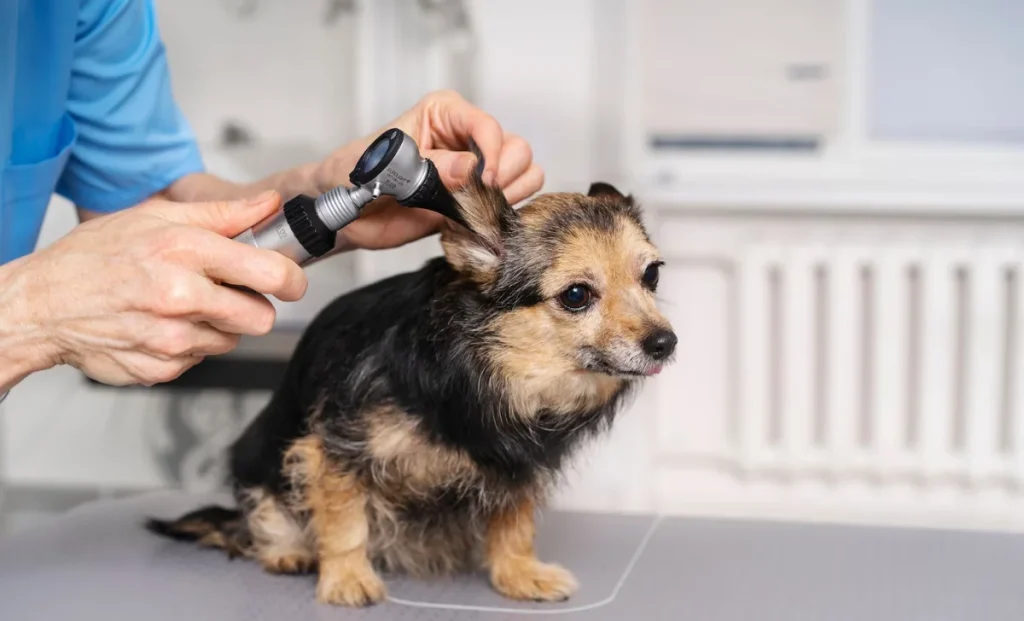
For years, veterinary diagnostics meant physical exams and basic X-rays that frequently missed early-stage diseases or forced vets to perform invasive procedures just to confirm what they suspected. Too many conditions went undetected until symptoms got severe enough to require exploratory surgery, or until the disease progressed so far that treatment became significantly harder and more expensive.
That’s now shifting dramatically. Advanced veterinary visualization solutions are giving vets the same diagnostic tools you’d find in top-tier human hospitals. What this means for you and your pet: quicker answers, fewer invasive tests, and better outcomes because your vet can base decisions on clear visual proof instead of making educated guesses.
The Rise of Advanced Visualization Tools in Veterinary Medicine
The numbers tell an interesting story here. The global veterinary imaging market is growing from $2.33 billion in 2025 to a projected $3.62 billion by 2032. Such expansion doesn’t occur without solid causes driving it.
Three things are driving this shift: more people owning pets and wanting the best possible care for them, pet insurance becoming common enough that advanced diagnostics are actually affordable, and the technology itself getting both better and cheaper at the same time.
Digital X-ray systems now spit out crystal-clear images in seconds instead of making you wait several minutes like the old film-based systems did. Portable ultrasound machines let vets do real-time imaging right there during emergencies.
And CT and MRI machines built specifically for animals now offer the same image quality you’d get at a human hospital. Moving to digital imaging isn’t just an incremental upgrade—it’s fundamentally changing what vets can actually see and diagnose, replacing equipment that used to keep them working half-blind.
How Modern Imaging Technologies Improve Diagnostic Accuracy
Deep learning algorithms can now perform just as well as humans—sometimes even better—at specific diagnostic tasks. Research shows that AI systems looking at chest X-rays can accurately spot conditions like heart enlargement in dogs. When you put AI to work analyzing MRI scans, it hits over 90% accuracy when sorting out different types of brain lesions in dogs, which is tough even for experienced veterinary radiologists who’ve been doing this for decades.
About 30% of vets are now using AI tools every day or at least weekly, and there’s a solid reason for that. These systems catch patterns that human eyes just miss, especially when you’re looking through hundreds of images.
AI takes precise measurements of anything abnormal, flags things that might be problems, and delivers the same quality of analysis whether it’s a slow Tuesday morning or a chaotic Friday afternoon when the clinic’s slammed.
What does this really involve when you take your animal to the vet. Faster answers with less need to redo tests over and over. The AI basically acts like a second opinion that’s always available, helps regular vets read images like specialists would, and makes sure nothing important gets overlooked even during the busiest clinic hours.
Practical Applications That Are Changing Everyday Animal Care
Spotting Illness Early Using Advanced Imaging Technology
Advanced imaging catches diseases before your pet even looks or acts sick, which is huge. Cancer kills about 50% of pets over 10 years old, so finding it early isn’t just important—it’s everything. Modern ultrasound and CT scans can spot tumors when they’re still small enough to remove surgically or treat with localized therapy before they spread.
MRI picks up soft tissue problems that wouldn’t show up on X-rays at all. Researchers have figured out what normal lymph nodes should look like on MRI, which means vets can now detect swollen lymph nodes—often one of the first signs of cancer—before they’re even big enough to feel during a regular exam.
High-resolution imaging also catches orthopedic issues, kidney disease as it’s developing, heart problems, and neurological conditions when they’re just starting. When your vet finds these things early, the treatment options are way less invasive, work better, and usually cost a whole lot less than dealing with advanced disease that’s had time to really take hold.
Better Treatment Planning With Real-Time 3D and AI-Enhanced Views
CT scans build 3D models that show exactly how complex anatomy fits together, which makes surgical planning incredibly precise. Say your pet needs a tumor removed that’s sitting near vital organs.
The 3D imaging shows the surgeon the exact route to take, which blood vessels need to stay intact, and how to get the job done while damaging as little healthy tissue as possible. This kind of precision cuts down on how long surgery takes, lowers the chance of complications, and gets your pet recovering faster.
Research shows that specialized CT scans can map out detailed blood vessel anatomy in three dimensions, giving vets essential information for diagnosing and treating complicated conditions. AI takes these images even further by automatically measuring anything abnormal, highlighting areas that look concerning, and even predicting how diseases might progress based on the patterns it sees.
For you as a pet owner, this means your vet can actually show you what’s going on inside your pet’s body with 3D models that make sense. It helps you really understand why they’re recommending certain treatments and lets you make informed choices. The technology cuts through a lot of the guesswork that used to be just part of veterinary medicine.
What These Innovations Mean for Vets, Pet Owners, and Future Care
There aren’t nearly enough veterinary radiologists to meet the demand, which creates serious delays when you’re waiting for critical diagnostic results. Advanced veterinary visualization solutions with AI support help regular vets read images at a specialist level, which matters especially in rural areas where you might not have easy access to board-certified radiologists.
The benefits for you are pretty straightforward. Faster diagnoses mean less time sitting around worried and anxious. More accurate imaging means fewer repeat tests or exploratory surgeries that put your pet through additional stress. And catching diseases early usually translates to lower treatment costs and way better results compared to treating something that’s already advanced.
This technology keeps moving forward fast. Specialized veterinary MRI systems are getting installed in new areas all the time, making high-quality imaging more accessible no matter where you live. We’ll keep seeing more portable imaging devices, AI that plugs directly into medical records, and predictive systems that can flag health risks before actual diseases develop.
Advanced veterinary visualization solutions are spreading from specialty centers into regular veterinary clinics. Your neighborhood vet is increasingly likely to have imaging equipment that only university hospitals had access to a few years back.
Conclusion
Advanced veterinary visualization solutions have completely overhauled veterinary diagnostics, taking it from limited visibility and playing catch-up to comprehensive real-time analysis and getting ahead of problems.
The research backs up what vets are seeing firsthand: AI systems hit over 90% accuracy on complex diagnostic work, finding diseases early genuinely improves treatment success rates, and precise 3D surgical planning cuts down on complications and gets pets back on their feet faster.
Your local vet is more and more likely to have imaging capabilities that used to be exclusive to specialty centers and university hospitals.
Your pet benefits from diagnostic tools that catch health problems before any symptoms show up, enable targeted treatment based on detailed imaging proof, and support better long-term health through staying ahead of issues rather than just reacting when things go wrong.
