
Budget-Friendly Arizona: Where to Stay Without Breaking the Bank
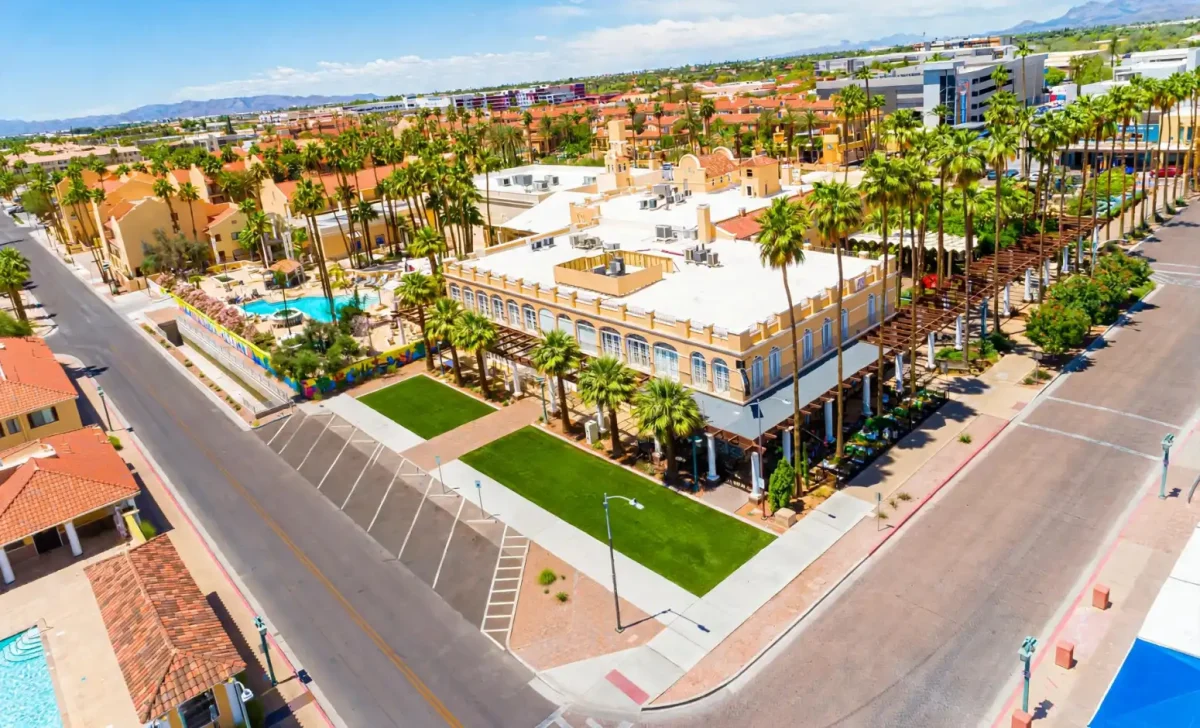
Arizona’s desert landscape, thriving food scenes, and world-class hiking draw travelers year-round. But here’s the catch: many visitors assume a trip to Phoenix or Scottsdale automatically means dropping serious cash on lodging.
It doesn’t. Finding affordable accommodation in Arizona is entirely possible if you know where to look and what to prioritize. When exploring vacation rentals in arizona, you’ll often find comfortable options that cost less per night than traditional hotels while offering far more space and kitchen access.
Key Takeaways
- Vacation rentals in Arizona typically offer 20-40% savings compared to mid-range hotels in the same neighborhoods
- Furnished condos and apartments give you kitchen facilities, reducing meal expenses on longer stays
- Staying in urban neighborhoods (downtown Phoenix, Old Town Scottsdale) keeps you close to action and cuts down on car rental needs
- Off-season travel (May through September) opens up deeply discounted rates across all accommodation types
Why It Matters
Accommodation is often the single largest line item in any travel budget. In Arizona, where tourism is a major industry, hotel prices can spike dramatically during peak seasons (November through April). But the state’s diverse neighborhoods and growing short-term rental market mean savvy travelers have real alternatives.
The math is straightforward: a mid-range Phoenix hotel runs $120-180 per night during winter months. A one-bedroom furnished condo in the same downtown area might run $90-130 per night. Over a week-long stay, that’s $200-700 in savings.
Add the ability to prepare breakfast, make coffee, and store snacks from local markets, and your real savings climb closer to $1,000 on a longer trip.
Understanding Arizona’s Accommodation Landscape
Arizona’s major cities each have distinct neighborhoods and price tiers. Phoenix proper stretches across 500+ square miles, so location matters enormously.
Downtown Phoenix, Midtown, and Uptown neighborhoods cluster near restaurants, galleries, and cultural venues. Scottsdale sits about 30 minutes east and commands higher baseline prices but rewards visitors with Old Town’s gallery-lined streets and proximity to upscale dining.
Tempe, home to Arizona State University, offers younger vibes and university-adjacent affordability. Chandler and Glendale, both suburbs of Phoenix, tend to feel quieter and run slightly cheaper. If you’re willing to skip the Scottsdale cache and stay in Tempe or downtown Phoenix instead, you’ll pocket meaningful savings without sacrificing walkability or things to do.
Arlington and Pflugerville sit north of Phoenix proper and appeal mostly to business travelers and budget-conscious families. They’re not tourist destinations, but if you’re visiting someone locally or using Arizona as a base for outdoor trips, these neighborhoods provide clean, affordable beds in residential areas.
The Seasonal Price Advantage
Arizona’s off-season runs May through September. Temperatures regularly exceed 110 degrees Fahrenheit, and frankly, many leisure travelers stay home. That’s exactly when accommodation prices plummet.
Hotel rates can drop 40-60% during summer months. A room that costs $150 in January might run $60-80 in July. Short-term rentals follow the same pattern. The trade-off is heat. If you can tolerate it (or embrace it), summer is your golden ticket to affordable Arizona travel.
Spring break (mid-March) and the holiday seasons push prices to their peak. Thanksgiving week and New Year’s are expensive everywhere. If those dates are fixed, expect to pay. Otherwise, traveling in late April, September, or early October gives you shoulder-season pricing without peak summer heat.
Strategic Location Choices That Save Money
Staying downtown or in Old Town beats staying at an airport-adjacent hotel by miles. Airport hotels charge premium rates because of convenience and tend to feel sterile. They’re also several miles from actual Phoenix or Scottsdale, so you’ll rent a car or burn money on rideshares.
Urban neighborhoods like downtown Phoenix, Midtown, and Old Town Scottsdale put you within walking distance of restaurants, galleries, and shops. You’ll spend less on transportation and more on experiences actually worth having. Local coffee shops, mom-and-pop taquerias, and vintage record stores cluster in these areas. Tourist-facing hotel restaurants charge tourist prices.
If you’re visiting Phoenix for work or a specific event, check whether staying in Tempe, Glendale, or even suburban Chandler places you closer to your actual destination. A 15-minute drive beats a 45-minute rideshare from central Phoenix, even if the neighborhood feels less trendy.
The Kitchen Factor: Math That Actually Works
Here’s where vacation rentals really shine on budget trips. A basic hotel room gives you nothing. A furnished condo or apartment gives you a full kitchen.
Breakfast at a nice Phoenix café runs $15-18 per person. Cereal, toast, and fruit from a grocery store costs $3-4. Do that five mornings a week over two weeks, and you’ve saved $100 just on breakfast.
Lunch and dinner follow the same logic. Walking to a casual restaurant and ordering entrees plus drinks costs $25-35 per person. Cooking at your rental or assembling sandwiches from grocery store ingredients costs $8-12 per person. For a solo traveler on a two-week trip eating lunch and dinner locally, the kitchen saves $350-450 minimum.
Even short stays benefit. A couple on a five-day weekend can easily save $200-300 by cooking one dinner together at their rental and making coffee instead of hitting a café every morning.
Real Example: A Solo Traveler’s Budget Itinerary
Sarah wanted to spend 10 days in Phoenix exploring art, hiking, and local food scenes. She had a $1,500 total budget (including flights).
She booked a furnished one-bedroom apartment in Midtown Phoenix for $85 per night (off-season rate in late August). Total lodging: $850.
That left $650 for meals, activities, and transportation. She used the apartment’s kitchen to prepare breakfast daily (coffee, eggs, toast, fruit; $3 per day). She ate lunch out twice, cooked simple dinners four times, and ate out for dinner on the remaining four nights. Food cost: $280 total.
Admission to the Heard Museum, Desert Botanical Garden, and several galleries: $95. Hiking the Camelback Mountain and exploring Taliesin West (Frank Lloyd Wright’s winter home): free and $15. She used her apartment as a home base for exploring different neighborhoods on foot and used public transit and occasional rideshares instead of renting a car.
Final tally: flights ($400) plus lodging ($850) plus meals and activities ($375) equals $1,625 total. She went $125 over budget but experienced Phoenix authentically, stayed in a real neighborhood, and actually sat down to cook with local ingredients. A traditional hotel-centric trip would have cost $2,100 minimum for the same timeframe.
Beyond Budget: Hidden Benefits
Cheaper isn’t always better, and that’s not the whole story here. Furnish yourself with an apartment or condo instead of a hotel, and you also get space, light, and quiet. You’re not living out of a suitcase in a dark shoebox.
You’ll meet local owners and get insider recommendations about neighborhoods, restaurants, and hidden trails. You’ll shop at grocery stores where locals actually shop. You’ll see how people really live in Phoenix, not how hotels package it.
For business travelers on extended stays, short-term rentals save money and restore sanity. Eating cereal at a kitchen counter feels different from living on room service. Having a proper desk, a washing machine, and separate sleeping and living areas keeps work travel from feeling like hibernation.
Actionable Takeaways
- Check multiple neighborhoods. Don’t assume Scottsdale is your only option. Compare rates in downtown Phoenix, Tempe, and Midtown across the same dates. You may find the vibe you want at 30% lower cost.
- Travel off-season if possible. May through September rates are dramatically lower. Even late April and September offer better pricing than peak winter.
- Prioritize kitchen access. It’s the single biggest money-saver for trips longer than three nights. Even a kitchenette matters.
- Walk or use public transit. Stay in a walkable neighborhood rather than a cheap hotel 10 miles from action. You’ll save on rideshares and actually enjoy your trip more.
- Book directly or through established platforms. Ensure the property is professionally managed, and properly licensed to avoid shady operators or surprise fees.
- Look for weekly or monthly discounts. Many property managers offer 15-25% off rates for stays longer than seven days. Longer trips become even cheaper per night.
Conclusion
Arizona is an expensive destination only if you book expensive hotels in peak season. Real travelers find it affordable by staying in furnished apartments and condos, choosing neighborhoods wisely, and traveling when others don’t.
The desert heat in summer is real, but so are the rates. Downtown Phoenix has world-class museums, incredible food, and genuine local culture without the resort-destination price tag. Start by comparing neighborhoods and seasons, prioritize kitchen access, and you’ll find Arizona costs far less than you assumed.
FAQ
What’s the cheapest time to visit Arizona?
May through September offers the lowest rates because summer heat discourages most leisure travelers. Hotel and rental rates drop 40-60% compared to winter. Late April and September provide milder weather with still-reduced pricing if you want to avoid extreme heat.
Can I really save money by renting an apartment instead of a hotel?
Yes. A mid-range Phoenix hotel runs $120-180 per night; a furnished apartment in the same neighborhood runs $80-130 per night. Add kitchen access, and you save hundreds on meals over a week-long stay. The total savings for a 10-day trip typically range from $400-800.
Which Phoenix neighborhoods are affordable and walkable?
Downtown Phoenix, Midtown, and parts of Tempe offer walkable neighborhoods with restaurants, galleries, and shops at reasonable nightly rates. These areas put you near action without Scottsdale’s premium pricing. Chandler and Glendale are cheaper but feel more suburban.
Do I need a car if I stay in downtown Phoenix?
No. Downtown Phoenix and Old Town Scottsdale are walkable, and both have public transit. You’ll spend less on transportation by staying urban and using rideshares or public transit than by renting a car from a cheaper suburban hotel 15 miles out.
Are vacation apartments safe and clean?
Professionally managed short-term rentals meet hotel-equivalent standards for cleanliness and safety. Look for properties managed by established companies, read recent reviews, and verify the manager is licensed. Avoid sketchy peer-to-peer platforms if you’re nervous.
What amenities can I expect in an affordable Arizona apartment rental?
Furnished apartments typically include a kitchen, washer/dryer or laundry access, WiFi, furniture, bedding, and basic kitchen supplies. Some include parking. Expectations should be comfortable home-like space, not luxury resort amenities.
