
How to Build a Vertical Garden That Looks Good and Lasts for Years
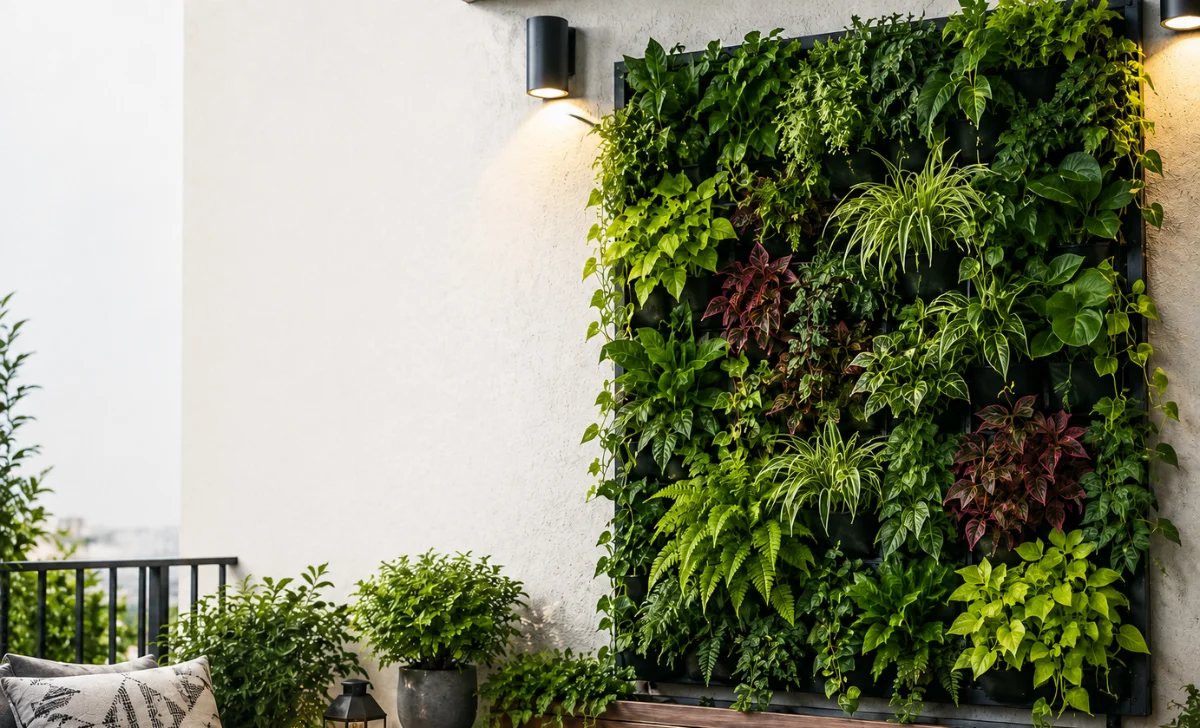
To a lot of people, a vertical garden is a matter of design. It looks different, so it’s visually appealing. Of course, its benefits go further than that. Most importantly, it can save you space, whether you have a small garden or you want an accent wall to liven up a dull patio or balcony.
Now, when it comes to vertical gardens, how to build one makes a decent DIY project if you follow a few simple steps. This being said, let’s take a look at what to do and how to do it in order to have a lasting design that flourishes across the seasons instead of withering away after a few weeks.
First Things First
Anyone can come up with a good-looking vertical garden, but not everyone focuses on durability.
At this point, there are two different things to take into consideration.
First, you need a sturdy frame. A vertical garden in an initial stage can resist for a summer, but once it gets heavy and plants start growing, you may see it falling apart. It also has to be weather-resistant, so go for coated metal, treated timber or even heavy-duty plastic that won’t crack under intense UV rays.
Second, what makes it durable in time is the irrigation system too. Indeed, you can water it all the time to make sure it thrives. But there will be moments when you may struggle to keep up with it. Therefore, a reliable irrigation system is usually a must.
Of course, while sometimes overlooked, a premium artificial green wall is another brilliant idea because it cancels the necessity of an irrigation system. It looks good, even better than natural plants, but it’s also easy to look after. Just make sure you have a sturdy structure and you’re good to go without ever worrying about pruning, weeding, or watering schedules.
Choose the Structure
In terms of vertical gardens, how to build one starts with the structure. You have many choices available. It’s best to pick a system with changeable parts. Interlocking elements are pretty convenient, as well as food-grade plastic planter modules.
Not only do these things resist rot, but they can also hold soil without too much headache. If you go for a quality system, it’ll never leak.
Wood is a good and rustic option too, but it has to be treated or sealed. Otherwise, it will rot in no time. Use pressure-treated timber or seal whatever wood you use with a waterproof sealant. Choose something that’s not toxic either so harmful chemicals don’t leach into your plant roots.
Finally, for green wall felt pockets, they should have a waterproof board at the back, so they can protect your wall.
Soil and Plants
Unless you go for artificial plants that don’t require anything real (not even the soil), it’s time to pick your soil and plants.
When it comes to soil, go for a lightweight mix that’s well aerated. What you pick also depends on the kinds of plants you want to grow. Standard potting soil tends to go compact with time and may choke roots. Therefore, opt for high-quality potting soil and mix it with coir or perlite.
This kind of mix adds to the drainage, but without adding to the weight, which protects your wall structure from excessive stress.
As for plants, go for shallow-rooted varieties. The less maintenance they require, the better. Pick plants according to your climate. For example, some people go for fruits, like strawberries. Others go for herbs, such as thyme or mint.
Consider the weather and whether a plant can resist your climate.
Automated Watering
While this isn’t mandatory, it can definitely help. Watering is mandatory for live plants, unless you live in a wet climate. If you can’t do it day by day (or according to the requirements of your plants), you may need to automate everything. It’s the modern and convenient way to water plants anyway.
Generally speaking, watering yourself from the top will also cause heavy run-off. This means that plants at the top will most likely drown, while the plants at the bottom may not get much water.
Instead, run a tube along the top and make sure it has micro-drip units for each pot to distribute moisture evenly to every single root zone.
You can have a watering system that does everything whenever you turn it on or off, but you can also invest in an automated unit. Such digital timers are usually battery-operated. They ensure consistent watering with no headache at all.
Drainage Is Critical
Last, but not least, when it comes to vertical gardens, how to build one isn’t all about the initial setup, but also about the maintenance if you want it to last.
Each planter requires drainage holes. Excess water can go downward into a gutter or maybe a concealed tray at the bottom to prevent messy puddles on your floor. If it pools into the pockets, your plants will rot.
In the end, setting up your own vertical garden isn’t that difficult if you stick to the rules. The natural option requires more work and attention, while the artificial alternative is more convenient and doesn’t require much maintenance. The right choice is simply based on your needs and how much time you can give to gardening.
