
Building Envelope Assessments and Structural Repairs for Commercial Properties
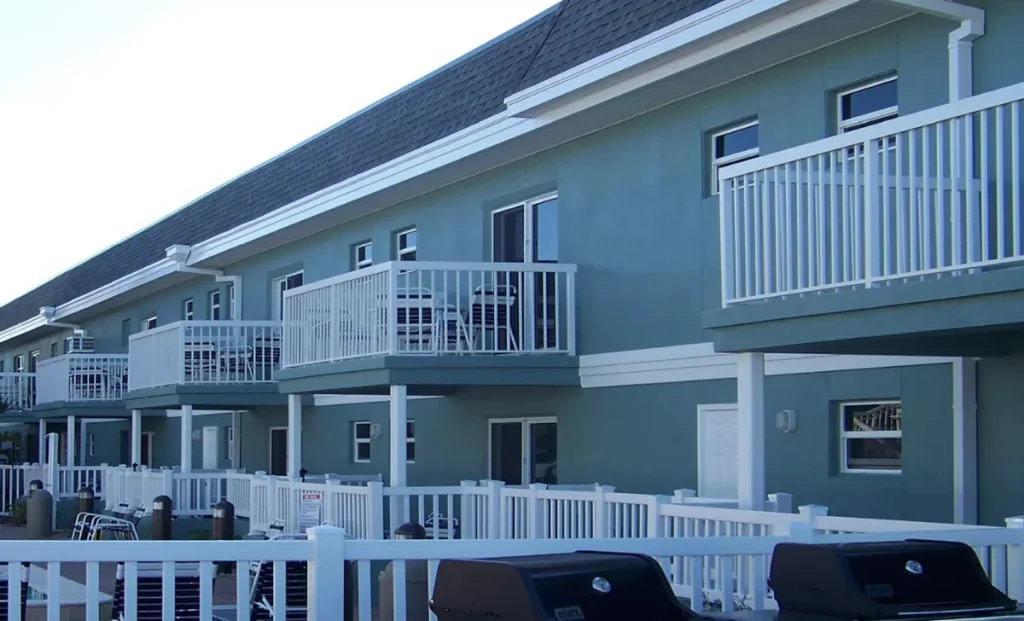
The performance of a commercial building depends heavily on the integrity of its exterior systems and structural components. Over time, exposure to weather, moisture intrusion, thermal movement, and aging materials can compromise both the facade and the structural framework. Early checking and focused fix plans are vital to keep your property’s worth over time.
Expert inspection of the building envelope is key to finding weak spots before they turn into expensive problems. For property owners, condominium associations, and facility managers, early intervention can significantly reduce lifecycle costs.
Understanding the Building Envelope
The building envelope covers the roof, outside walls, windows, water protection systems, balconies, and front features that divide the inside space from outside weather. Its primary function is to control air, moisture, and temperature movement.
When envelope systems begin to deteriorate, common symptoms include:
- water intrusion and staining;
- cracked stucco or masonry;
- spalling concrete;
- corroded reinforcement;
- sealant failure at expansion joints and windows.
Left unaddressed, these issues can progress from cosmetic damage to structural compromise.
Why Early Diagnostics Matter
Building envelope deficiencies often remain hidden until visible damage appears. Moisture can travel within wall cavities, and structural distress may develop slowly over years. Thorough inspections help experts find the real problems instead of just fixing what shows on the surface.
Advanced diagnostic tools may include moisture mapping, infrared thermography, facade probing, and structural analysis. These evaluations provide property owners with data-driven recommendations.
From Assessment to Strategic Repairs
Once deficiencies are identified, targeted repairs can be developed to restore performance and structural integrity. Repair strategies must address both immediate damage and underlying causes.
Typical repair scopes may include:
- concrete restoration and reinforcement repair;
- waterproofing membrane replacement;
- balcony and railing rehabilitation;
- sealant replacement programs;
- facade stabilization and anchorage upgrades.
Engineering oversight ensures that repairs comply with applicable codes and extend the service life of the structure.
Structural Considerations in Envelope Failures
Water getting inside is one of the main reasons buildings break down over time. In reinforced concrete buildings, water penetration can lead to corrosion of embedded steel, causing expansion, cracking, and spalling.
Structural engineers evaluate not only visible damage but also load paths and safety factors. In multi-story buildings, localized deterioration may affect broader structural systems.
Florida’s Climate and Envelope Performance
In beach areas and places with hurricanes like Florida, how well your building’s outer shell works is extra important. High humidity, wind-driven rain, salt exposure, and thermal expansion place continuous stress on building materials.
Properly engineered restoration strategies must consider environmental exposure and future resilience.
Regulatory and Insurance Implications
Building envelope failures can also have regulatory and insurance consequences. Deferred maintenance may increase liability risks for property owners and associations.
Professional documentation of assessments and repair plans supports compliance efforts and provides transparency for stakeholders.
Lifecycle Asset Management
Regular care of your building’s outer shell should be part of your future spending plans. Rather than reacting to emergency failures, property managers benefit from scheduled evaluations and phased repair programs.
This strategic approach allows owners to:
- predict capital expenditures;
- prioritize critical structural needs;
- minimize tenant disruption;
- protect long-term asset value.
Integrated Engineering Approach
Effective envelope restoration requires collaboration between structural engineers, facade specialists, and construction professionals. An integrated approach ensures that repair methods are technically sound and constructible.
Engineering-led solutions focus not only on correcting existing damage but also on improving system performance.
Conclusion
Checking your building’s outer shell and fixing structural issues are important parts of taking good care of your property. Identifying deficiencies early, understanding structural implications, and implementing engineered repair strategies can significantly extend the service life of commercial and multi-family buildings.
For property owners seeking long-term durability and regulatory confidence, proactive evaluation and strategic restoration remain the most effective path forward.
