
Can You Sue a Property Owner for a Tenant’s Dangerous Dog?
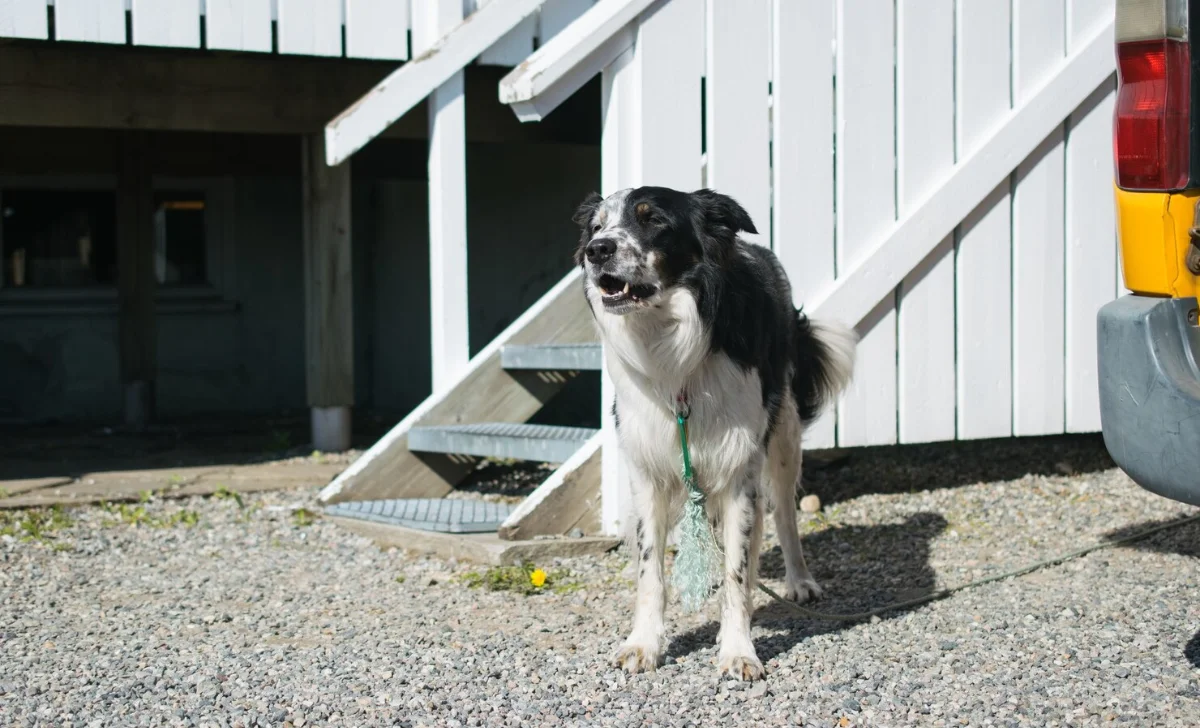
When a renter owns the dog instead of the landlord, bite cases get trickier. Many think just the dog’s owner is to blame after a bite. While the tenant is often the primary party involved, there are situations where a landlord, property manager, or property owner may also face legal scrutiny. The key question is whether the landlord was aware, or should have been aware, that the tenant’s dog posed a danger.
When an injured victim is trying to recover compensation, identifying every responsible party matters. Hospital costs, missed pay, scars, emotional hurt, and ongoing care can cause major money strain. Speaking with a dog bite lawyer in Tulsa can help victims understand whether a property owner may share liability for a tenant’s dangerous dog.
Understanding Liability in Tenant Dog Bite Cases
In most dog bite claims, the person who owns or controls the animal is the first party examined. If a tenant keeps a dog in a rental home or apartment, that tenant may be responsible for preventing the dog from harming visitors, neighbors, delivery workers, or other residents. Owners usually must control their pets and act sensibly to stop likely harm.
However, liability may extend beyond the tenant in certain circumstances. If the property owner had control over the premises and knew a dangerous dog was being kept there, the injured person may have grounds to investigate the owner’s responsibility. This is especially relevant in apartment complexes, duplexes, shared yards, or rental properties where landlords maintain common areas.
When a Property Owner May Be Responsible
A landlord can be at fault if they knew the dog was dangerous but did nothing sensible. Knowledge can come from prior bite incidents, complaints from neighbors, reports to management, visible aggressive behavior, or repeated violations of lease terms. If the landlord ignored these warning signs, their inaction may become important in a legal claim.
For example, if residents repeatedly complained that a tenant’s dog lunged, growled, escaped, or chased people in a shared space, the property owner may have had notice of a dangerous condition. If no steps were taken to enforce pet rules, repair a broken gate, or require the tenant to remove or secure the dog, the injured victim may argue that the property owner failed to protect others from a foreseeable risk.
The Importance of Control Over the Property
Control is one of the most important issues in these cases. A landlord is more likely to face liability when the bite happens in an area they manage or maintain. Common areas such as hallways, parking lots, stairways, sidewalks, courtyards, laundry rooms, and shared yards may fall under the property owner’s responsibility.
If the bite occurs inside the tenant’s private rental unit, the claim against the property owner may be more difficult. Landlords typically have limited control over what happens inside a tenant’s home. Still, if the landlord had the legal ability to address a known dangerous dog and failed to act, the facts should be reviewed carefully before ruling out potential liability.
Prior Knowledge of the Dog’s Dangerous Behavior
A property owner’s prior knowledge can make or break a claim. Evidence that the landlord knew about the dog’s aggressive behavior may include written complaints, emails, text messages, maintenance reports, animal control records, incident reports, or witness statements. Even verbal complaints from neighbors may become useful if several people can confirm they warned management.
Knowing about danger doesn’t always mean a bite already happened. A dog may show dangerous tendencies through repeated growling, snapping, lunging, chasing, or escaping. If these behaviors were reported and ignored, the property owner may have difficulty claiming they had no reason to anticipate harm.
The clearer the proof that the landlord knew, the better the case that the harm could have been avoided.
Lease Agreements and Pet Policies Matter
Rental agreements often include rules about pets, dangerous animals, leash requirements, breed restrictions, weight limits, vaccination records, and tenant responsibilities. These rules can turn into key proof after a dog bite. If a tenant violated the lease by keeping an unauthorized or aggressive dog, the property owner’s response to that violation may be closely examined.
A landlord who enforces pet policies consistently may have a stronger defense than one who ignores repeated violations. On the other hand, if management knew the tenant was breaking pet rules and did nothing, that inaction may support the victim’s claim. Lease documents can help show what authority the property owner had and whether reasonable action was available before the bite occurred.
Dog Bites in Common Areas
Bites that occur in common areas often create stronger arguments against property owners. These spaces are typically used by multiple residents, guests, workers, and visitors. Because the landlord controls and maintains these areas, they may have a duty to address known dangers that put lawful visitors at risk.
For instance, if a tenant’s dog regularly roamed unleashed in a shared courtyard and management received complaints, a later bite in that same area may raise serious liability questions. The property owner may be expected to enforce leash rules, warn residents, repair fencing, or take other reasonable steps. Failure to respond to a known risk can make the property owner part of the legal dispute.
Evidence That Can Strengthen a Claim
Strong evidence can help show how the dog bite happened, whether the dog had a known history of aggression, and whether the property owner failed to address a known risk.
- Photos of the injury and attack location
- Images of gates, fences, signs, leash areas, and property conditions
- Witness statements from neighbors, visitors, employees, or delivery workers
- Medical records documenting the injuries and treatment
- Records from animal services or police about the event
- Messages or complaints sent to the landlord or property manager
- Records showing prior complaints about the dog
- Evidence that the property owner knew about the danger but failed to take reasonable action
Why Legal Guidance Is Important
Claims involving tenant-owned dogs and property owners are often more complex than standard dog bite cases. Insurance companies may deny responsibility by arguing that the landlord did not own the dog, did not know it was dangerous, or had no control over the area where the bite occurred. These arguments can make it hard for victims to get fair payment without good legal help.
An attorney can investigate the dog’s history, review lease terms, identify insurance coverage, interview witnesses, and determine whether the property owner had notice of the danger.
A lawyer can also help victims seek money for medical bills, lost pay, scars, emotional pain, suffering, and future treatment. When a tenant’s dangerous dog causes serious harm, every potentially responsible party should be carefully evaluated.
