
How to Choose the Right Paddle Length for Kayaking
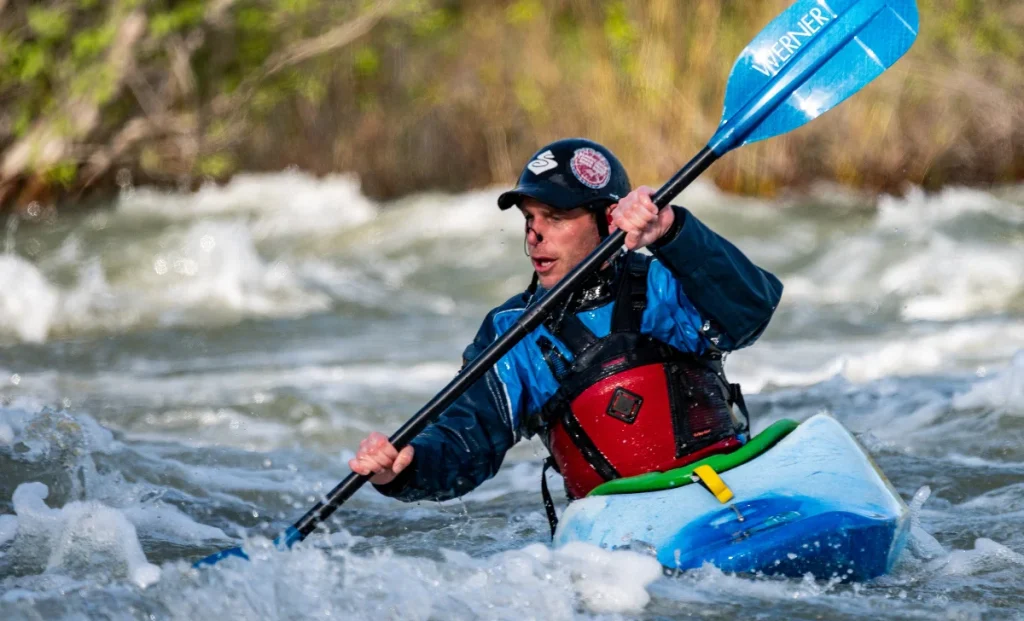
Picking the right paddle size for kayaking is a key choice that kayakers need to make, but many people don’t realize how important it is. Whether you’re a beginner purchasing your first paddle or an experienced kayaker upgrading your setup, the right paddle length can greatly enhance comfort, efficiency, and overall performance on the water.
A paddle that doesn’t fit properly can lead to unnecessary fatigue, inefficient strokes, and even long-term injury, especially during longer paddling sessions.
In Australia, where kayaking environments range from sheltered estuaries and inland waterways to exposed coastal conditions, selecting the appropriate paddle length is a key part of choosing the right paddling gear.
Recreational paddlers and performance-focused kayakers alike benefit from a paddle that suits their body, boat, and local conditions. This guide explains the main things to think about and gives simple, useful tips to help you select the best paddle size for your kayaking situation.
Why Paddle Length Matters
A kayak paddle that is the correct length allows you to paddle efficiently with proper body mechanics. When the paddle is too long, it increases strain on your shoulders and slows your stroke rate. When it is too short, it forces you to lean excessively or adopt poor posture, reducing power and control.
The right paddle length helps you:
- Maintain an efficient paddling cadence
- Reduce shoulder and lower back strain
- Improve balance and boat control
- Paddle longer distances with less fatigue
Selecting the correct paddle length is not about personal preference alone; it is about matching the paddle to your body size, kayak dimensions, and paddling style.
Key Factors That Determine Paddle Length
Paddler Height
How tall you are is the first thing to look at when figuring out paddle size. People who are taller usually need longer paddles, while those who are shorter do better with smaller ones. Height alone, however, is not enough to make an accurate choice.
As a general guide:
- Paddlers under 165 cm often suit paddles between 210–215 cm
- Paddlers between 165–180 cm may suit 215–225 cm
- Paddlers over 180 cm often require 220–230 cm
This is only a baseline and must be considered alongside kayak width and paddling style.
Kayak Width
The width of your kayak is a key factor to consider when choosing the right paddle length. Wider kayaks require longer paddles to ensure the blades fully enter the water without forcing an awkward stroke.
- Narrow kayaks (under 55 cm wide), such as sea kayaks and performance touring kayaks, typically suit shorter paddles
- Medium-width kayaks (55–65 cm wide) require moderate paddle lengths
- Wide recreational kayaks (over 65 cm wide) often need longer paddles for effective reach
Many Australian recreational kayaks are wider for stability, meaning paddlers often need a longer paddle than height charts alone suggest.
Kayak Type and Intended Use
Different types of kayaking demand different paddle lengths.
Recreational kayaking: Recreational kayaks are usually wider and paddled at a relaxed pace. A slightly longer paddle provides comfort and ease of use, particularly for beginners.
Touring and sea kayaking: Touring kayaks are narrower and designed for distance paddling. A shorter paddle promotes efficiency and reduces fatigue over long trips, which is particularly important for coastal paddling in Australian conditions.
Fishing kayaks: Fishing kayaks are often wide and high-seated. These kayaks typically require longer paddles, sometimes 230 cm or more, to clear the sides comfortably.
Whitewater kayaking: Whitewater paddles are generally shorter and chosen based on torso height and river conditions rather than kayak width alone.
Paddling Style: High-Angle vs Low-Angle
Your paddling technique plays a significant role in paddle length selection.
High-angle paddling: This style involves a more vertical stroke and is commonly used in touring, racing, and rough water conditions. People who paddle at a steep angle often do better with a somewhat shorter paddle for quicker rhythm and improved handling.
Low-angle paddling: A low-angle stroke is more relaxed and often used in recreational kayaking. This style typically suits a longer paddle to maintain efficient water contact.
If you are unsure which style you use, most beginners and recreational paddlers naturally adopt a low-angle technique.
Torso Length and Seating Position
Torso length can be more important than overall height, particularly for experienced paddlers. A paddler with a long torso may require a longer paddle even if their overall height is average. Additionally, kayaks with higher seating positions increase the distance between the paddler and the water, often necessitating a longer paddle.
Adjustable vs Fixed-Length Paddles
Adjustable paddles are an excellent option for beginners or those unsure of their ideal length. They allow fine-tuning based on conditions, kayak type, or paddling style. Fixed-length paddles, while less versatile, are often lighter and preferred by experienced paddlers who know exactly what they need.
Common Paddle Length Mistakes to Avoid
- Choosing a paddle based solely on height
- Ignoring kayak width and seat height
- Using a paddle that is too long for high-angle paddling
- Assuming one paddle suits all kayaks
Taking the time to measure your kayak and consider how you paddle will prevent these common errors.
Final Thoughts
Choosing the right paddle length for kayaking is a critical step in improving your comfort, efficiency, and enjoyment on the water. By considering your height, kayak width, paddling style, and intended use, you can select a paddle that complements both your body and your kayak.
For Australian paddlers, where conditions can vary dramatically from sheltered rivers to open ocean environments, the right paddle length makes all the difference. Investing time in selecting the correct paddle will pay dividends in performance, safety, and long-term comfort every time you hit the water.
