
What Should Motorists Consider When Choosing Wheels for an Electric Vehicle?
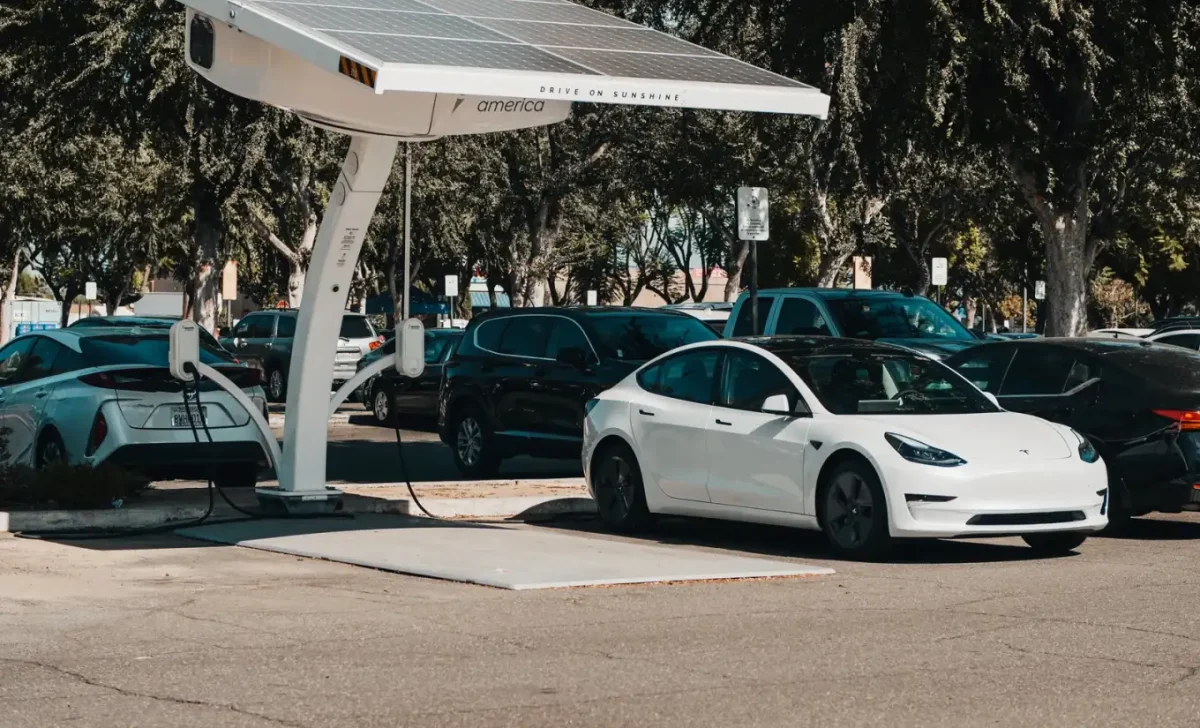
Motorists choosing wheels for an electric vehicle should consider load capacity, wheel weight, aerodynamic design, tyre compatibility and manufacturer specifications. Unlike conventional vehicles, electric cars often carry substantial battery weight and deliver immediate torque, making appropriate wheel selection particularly important.
Choosing suitable car wheels (this is commonly referred to as ล้อ รถยนต์ in Thai) can help preserve driving efficiency, maintain predictable handling and support the vehicle’s intended performance without compromising safety or everyday practicality.
Electric Cars Change the Wheel Shopping Conversation
Imagine replacing the factory wheels on an electric saloon with a striking aftermarket design.
The new wheels look excellent, but after several weeks, the driver notices that energy consumption has increased during familiar journeys.
The difference might involve several factors, including wheel weight, aerodynamics and changes to the tyres.
Electric vehicles make these considerations particularly relevant because motorists often monitor energy consumption and driving range closely.
A wheel upgrade should therefore be assessed for more than its appearance.
Why Wheel Weight Deserves Attention
Wheels contribute to a vehicle’s unsprung mass, which includes components not supported by the suspension springs.
Increasing this weight can influence suspension response, acceleration and energy consumption.
However, lighter wheels are not automatically the best choice.
They must still meet the vehicle’s required load ratings and withstand expected operating conditions.
Electric vehicles can be relatively heavy because of their battery systems, so selecting wheels with suitable structural capacity is essential.
Drivers should confirm the manufacturer’s specifications rather than assuming that a wheel designed for a similarly sized petrol car will be appropriate.
Can Wheel Design Influence Driving Range?
Wheel aerodynamics can affect how efficiently an electric vehicle moves through the air.
Designs with relatively enclosed surfaces may reduce aerodynamic drag compared with certain open-spoke alternatives.
The actual difference depends on vehicle speed, wheel geometry and the overall vehicle design.
For motorists regularly travelling on motorways, aerodynamic considerations may be more noticeable than during slower urban journeys.
Before selecting a design, consider these practical questions:
- Load rating: Can the wheel safely support the vehicle’s specified requirements?
- Wheel dimensions: Are the diameter, width and offset suitable?
- Tyre compatibility: Will the selected tyres meet the vehicle’s load and performance specifications?
- Aerodynamics: Could the design influence energy efficiency?
- Brake clearance: Is there sufficient space around the braking components?
These checks help ensure that visual improvements do not introduce unnecessary compromises.
Remember That Electric Vehicles Have Different Driving Characteristics
Electric motors can deliver strong torque from low speeds, making traction and tyre selection important.
However, wheels alone do not determine grip.
Tyre construction, tread pattern, road conditions and vehicle settings also influence how the car behaves.
Changing wheel dimensions may affect ride comfort, steering response and the availability of suitable replacement tyres.
Motorists should also verify compatibility with tyre pressure monitoring systems and any applicable manufacturer requirements.
Give Your Electric Vehicle a Well-Matched Upgrade
The right wheel upgrade should complement an electric vehicle’s appearance while respecting its engineering requirements.
Taking time to compare specifications can help motorists make a more informed purchase.
For drivers interested in refreshing their vehicle’s appearance, Dcenti offers a selection of automotive wheel designs. Explore Dcenti’s range and consult a qualified wheel specialist to identify compatible options that suit your electric vehicle’s specifications and driving needs.
