
The Definitive Playbook for Modern Living Room Furniture
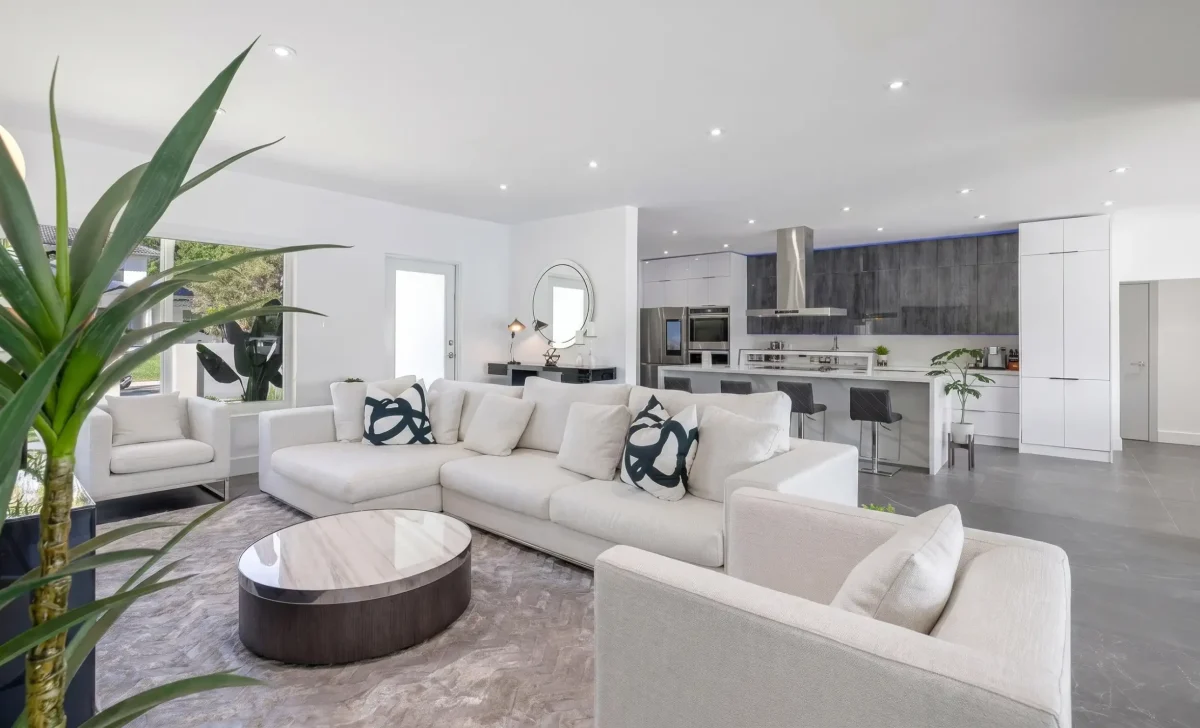
The living room has quietly become the most scrutinized space in the modern home. Once treated as a formal showroom reserved for guests, it now anchors remote work and family dinners. That shift has redrawn the standards designers use to evaluate a room, and it has raised the bar for what a well-appointed space should feel like.
Comfort, proportion, material honesty, and adaptable layouts are no longer optional finishing touches; they are the criteria experts lean on first. This guide distills what leading interior designers, product specialists, and industry insiders currently prioritize when they specify sofas, seating, tables, and storage.
Rather than chase fleeting aesthetics, it focuses on the underlying principles that separate a room that photographs well from one that performs beautifully for years. If your goal is to build an environment that feels intentional, resilient, and quietly sophisticated, the frameworks below map the terrain and offer a working vocabulary for the choices ahead.
The Modern Standard for a Well-Designed Living Room
Contemporary design language has moved decisively away from matched sets and rigid symmetry. Instead, professionals talk about a living room as a curated composition where each element has a job to do. The dominant principles are quieter silhouettes, generous cushioning, warm neutral palettes, and materials that reveal their character rather than hide behind gloss.
Curved arms, deep seats, and low-profile frames signal a room designed for actual relaxation, and they photograph naturally under both daylight and lamplight. Well-considered living room furniture becomes the connective tissue that turns individual pieces into a cohesive scene, and the room reads as authored rather than assembled.
Trend forecasters point to a decisive move toward tactile richness. Boucle, brushed performance weaves, hand-rubbed oak, and softly veined stone are appearing more frequently in editorial spreads because they invite touch. Designers also emphasize restraint in color. Warm off-whites, oat, taupe, and muted forest tones create a base layer that accepts accent hues without competing for attention.
The result is a room that feels grounded in the current moment yet resistant to becoming dated within a season. Seasoned specifiers also note that the strongest interiors read as slightly imperfect on purpose, with mismatched wood tones, a hint of patina, and one piece that clearly outranks the others in visual weight, giving the eye a natural place to rest.
Anchoring the Room With the Right Seating
Experienced designers begin every living room plan with the seating footprint, and for good reason. The sofa determines scale, sightlines, and traffic flow more than any other element. The current professional preference leans toward a single generous statement sofa paired with one or two supporting seats, rather than a heavy suite that fills the room.
A modular configuration reads especially well in open-plan homes because it can be reshaped as needs evolve, from a long conversation piece into a sectional that hugs a media wall.
Depth matters as much as length. A seat depth in the mid-thirties invites lounging, while shallower cushions keep posture upright for conversation. The choice depends on how the room is actually used, and honest self-assessment beats aspiration every time. Accent chairs deserve equal thought.
A sculptural swivel, a low-slung lounge, or an upholstered slipper chair introduces a counterpoint in scale and form, which is what makes a room feel composed instead of catalog-driven. Practitioners at studios like CHITA LIVING consistently note that a mix of upholstery weights and frame heights delivers the visual rhythm that flat, matching arrangements lack.
Arm profile is another decision that pays dividends over years of daily use. A slim track arm reads as tailored and disappears into a room, while a rolled or pillowed arm signals softness and encourages guests to settle in. Neither is inherently correct; the question is what the room is being asked to do.
Designers also weigh reversibility in cushion construction, since flippable seats and backs extend the useful life of a piece considerably and keep the silhouette honest as it wears. When two seating pieces are being paired, professionals rarely echo the same fabric across both. A subtle contrast in weave or tone gives each piece autonomy while still letting them belong to the same conversation.
Tables, Storage, and the Architecture of Function
The most overlooked category in living room planning is what designers loosely call the working surfaces. Coffee tables, side tables, consoles, and media storage carry enormous functional weight, yet they are frequently chosen last and treated as filler. The professional approach reverses that habit.
A well-scaled coffee table sets the proportional benchmark for the seating around it, and its finish anchors the room’s material story. Stone tops feel enduring and cool the palette, while solid wood introduces warmth and grain that softens harder surfaces elsewhere.
Nesting or paired coffee tables are trending upward because they solve real problems in flexible households. They can slide apart for entertaining, tuck together to open floor space, and offer varied heights for drinks or laptops.
Side tables should serve every primary seat, ideally at armrest height, so that no one has to lean or reach. For storage, low-profile credenzas and media cabinets have replaced tall bookcases in many contemporary rooms, keeping the eye moving horizontally and preserving wall space for art or texture.
Storage is also where designers quietly plan for the way modern households actually live. Concealed cable pathways, soft-close drawers, and adjustable interiors turn a good-looking cabinet into a piece that continues to earn its footprint years after the initial styling.
Console tables placed behind a floating sofa perform double duty as a lamp shelf, a landing zone for mail, or an occasional buffet during gatherings. When these surfaces are shaped by function first and finished with intention second, the room stops feeling staged and starts feeling lived in.
Layering Textiles, Light, and Layout
Even a beautifully chosen collection of pieces can fall flat without deliberate layering. Textiles are the fastest way to introduce warmth and personality. Rugs should extend under the front legs of the sofa at minimum, and ideally under all major seating, which visually knits the arrangement together. Throws and cushions in varied weaves prevent the upholstery from feeling one-note, and they invite the eye to travel across the room.
Lighting is the second layer. Overhead fixtures alone flatten a space. Layered lighting, meaning a combination of ambient, task, and accent sources, gives a room dimension after sundown. Floor lamps beside reading chairs, a pair of table lamps flanking a sofa, and a discreet accent light on a shelf together create the pooled, cinematic quality that professional interiors are known for.
Finally, layout deserves the same rigor as the pieces themselves. Furniture should be pulled away from walls when the room allows, arranged around a clear focal point, and spaced so that conversation is comfortable across a distance of about eight feet.
Window treatments quietly do a great deal of the work that observers rarely notice. Full-length linen panels soften harsh corners, add vertical scale, and diffuse afternoon light into something the whole room benefits from. Meanwhile, negative space is a resource that professionals actively protect.
A room with breathing room around each major piece feels calmer than one packed to the edges, regardless of how well the individual selections were made. Restraint is often the most sophisticated move a designer makes.
The Signals Experts Look for in Quality
Behind every well-composed room is a set of quality benchmarks that separate pieces built to last from those designed to look good briefly. Kiln-dried hardwood frames, eight-way hand-tied springs or high-resilience serpentine systems, and multi-density cushion cores are the standards professionals verify before recommending a sofa.
On case goods, dovetail joinery, solid drawer bottoms, and hand-finished edges signal a maker who values structure as much as surface. These details rarely appear in marketing copy, so seasoned specifiers ask about them directly. Trend-forward silhouettes only earn their place in a home when the construction beneath them justifies the investment, and that discipline is what distinguishes a curated room from a costly mistake.
Upholstery performance deserves the same scrutiny as the frame it wraps. Double rub counts, cleanability codes, and seam construction all speak to how gracefully a fabric will age under real household conditions.
Removable, washable covers have moved from novelty to expectation in families with children or pets, and performance weaves have quietly closed the gap on the softness that once defined natural fibers. When a maker is willing to explain these choices in plain language rather than lean on aspirational imagery, that transparency is often the clearest signal that the piece was built to be lived with rather than merely admired.
Designing a Room That Ages Beautifully
A living room built on expert principles does not chase novelty; it accumulates quiet authority over time. The pieces are chosen for how they feel underhand and underfoot, how they sit within the architecture, and how easily they accept the seasonal shifts of textiles, art, and accents.
When seating anchors the plan, tables carry their functional weight, textiles and lighting layer with intention, and quality is verified beneath the surface, the result is a space that reads as considered from every angle. That is the through-line in the rooms professionals return to for inspiration, and it is a standard any thoughtful homeowner can adopt.
Approach the process with patience, prioritize enduring materials and honest construction, and the room will keep rewarding attention long after the current trend cycle has moved on.
