
Energy Efficiency of Aluminum Exterior Doors: Myth vs Reality
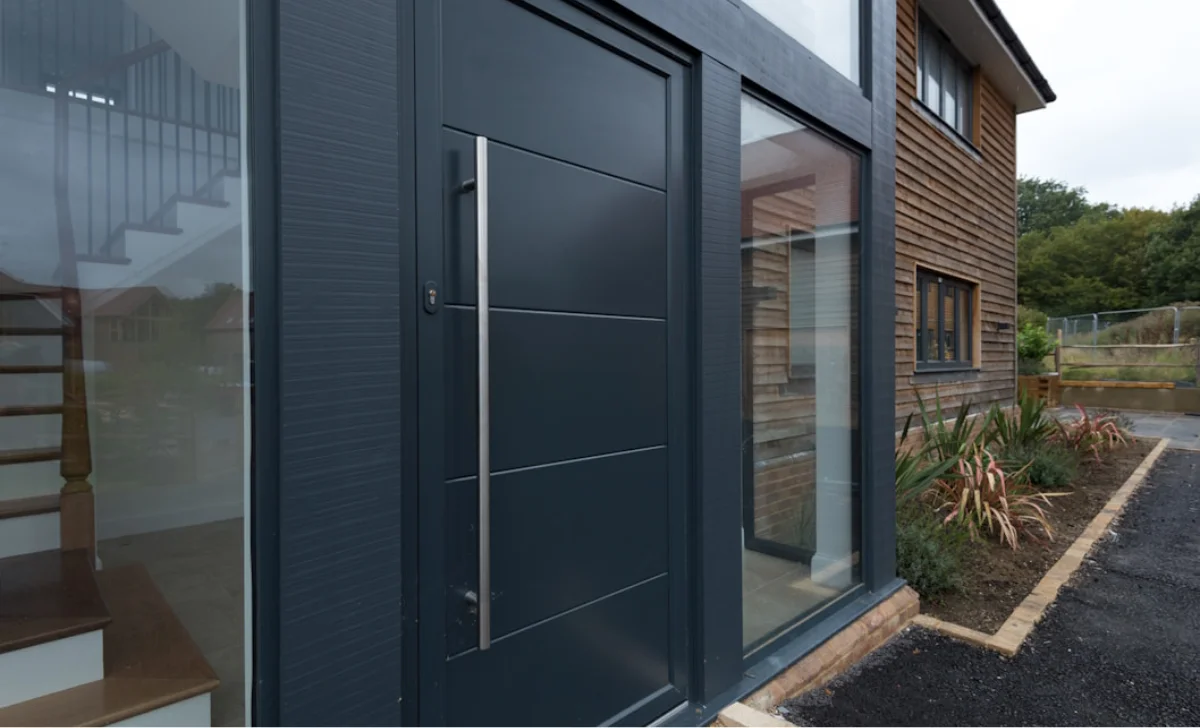
When homeowners think about energy-efficient entry systems, aluminum is not always the first material that comes to mind. For years, aluminum exterior doors were associated with poor insulation and heat transfer.
But modern engineering has dramatically changed that perception. Today’s high-performance aluminum systems combine sleek European aesthetics with advanced thermal technology, making them one of the most efficient and durable choices for contemporary homes.
Premium manufacturers such as Euro Prestige aluminum European doors now offer models specifically designed for thermal insulation, airtightness, and long-term energy savings:
https://europrestige.us/doors/exterior-doors/aluminum-exterior-doors/
The Myth: Aluminum Doors Are Poor Insulators
The biggest misconception surrounding aluminum exterior doors comes from older-generation products. Old-style aluminum frames let heat pass through easily since metal naturally moves temperature. This caused several problems:
- Heat escaping during winter
- Increased indoor temperatures during summer
- Condensation around the frame
- Higher energy bills
Older non-thermally-broken metal doors often became cold to the touch and created noticeable thermal bridging. Discussions among passive-house builders and homeowners still reference these outdated systems as examples of poor efficiency.
However, modern aluminum doors are fundamentally different.
The Reality: Modern Aluminum Doors Are Highly Energy Efficient
Today’s high-end aluminum entry doors use smart insulation methods that greatly cut down heat movement. High-end European systems now achieve thermal performance comparable to — and sometimes better than — wood or uPVC alternatives.
Many modern systems achieve U-values as low as 0.6–1.0 W/m²K, which meets or exceeds strict energy-efficiency standards for contemporary homes.
What Makes Modern Aluminum Doors Efficient?
Thermal Break Technology
The biggest innovation is the thermal break.
A thermal break puts an insulating layer between the inner and outer sections of the aluminum frame. This stops heat flow and keeps the metal from becoming a path for temperature leaks.
Without this technology, aluminum would still conduct temperature quickly. With it, modern systems become highly efficient and resistant to condensation.
Multi-Chamber Insulation Systems
Many European aluminum door systems now include multi-chamber thermal designs inside the frame. These chambers trap air and improve insulation performance significantly.
Some manufacturers also combine insulated foam cores with reinforced aluminum construction for even greater thermal stability.
High-Performance Glazing
Glass plays a major role in door efficiency. Premium aluminum exterior doors often feature:
- Double or triple glazing
- Low-E coated glass
- Argon gas-filled chambers
- Warm-edge spacers
These technologies minimize heat loss while maximizing natural light.
Superior Weather Sealing
New aluminum setups use better seals and multiple locking points to make the door close tightly with no air leaks. This reduces drafts, moisture penetration, and energy loss.
Why European Aluminum Doors Stand Out
European manufacturers have become leaders in thermally efficient door systems because of stricter building regulations and higher energy-performance standards.
High-end systems featured by Euro Prestige aluminum European doors often include:
- Triple-glazed glass packages
- Low-energy certified construction
- Concealed thermal barriers
- Premium anti-burglary locking systems
- Exceptional airtightness
- Noise-reduction technology
Many styles are made especially for passive-house or low-energy houses.
Comparing Aluminum to Other Door Materials
Aluminum vs Wood
Wood naturally insulates well, but it requires regular maintenance and can warp over time due to moisture and temperature fluctuations.
Modern aluminum doors maintain structural stability for decades while offering similar thermal performance through engineered insulation systems.
Aluminum vs uPVC
uPVC doors are energy efficient and affordable, but aluminum offers superior durability, slimmer sightlines, and a more premium appearance.
Aluminum frames also support larger glass panels without compromising structural integrity.
Aluminum vs Steel
Steel doors are tough but can have problems with heat passing through if they are not well insulated. Thermally broken aluminum systems often outperform older steel-frame designs in condensation resistance and efficiency.
Long-Term Energy Savings
Energy-efficient aluminum exterior doors can reduce heating and cooling demands throughout the year. Benefits include:
- Lower monthly utility bills
- Better comfort inside your home
- Reduced HVAC strain
- Better sound insulation
- Increased property value
While premium aluminum systems may have a higher upfront cost, their durability and thermal performance often deliver strong long-term value.
What Homeowners Should Look For
When looking for aluminum outside doors, pay attention to these main details:
| Feature | Why It Matters |
| Thermal break | Prevents heat transfer |
| Low U-value | Indicates better insulation |
| Triple glazing | Improves thermal performance |
| Multi-point locking | Enhances airtight sealing |
| Weather resistance | Prevents drafts and moisture |
| Certified energy ratings | Verifies tested performance |
The best systems combine all of these features into a single integrated design.
Final Verdict
The idea that aluminum exterior doors are energy inefficient is outdated. Modern thermally broken aluminum systems deliver impressive insulation, durability, and contemporary design — especially when manufactured to European performance standards.
Today’s top models show that homeowners no longer need to pick between good looks and energy savings. With advanced thermal technology, high-performance glazing, and airtight construction, aluminum exterior doors have become one of the smartest investments for modern energy-conscious homes.
