
Why Grass-Fed Beef Tallow Is Making a Comeback in Family Kitchens
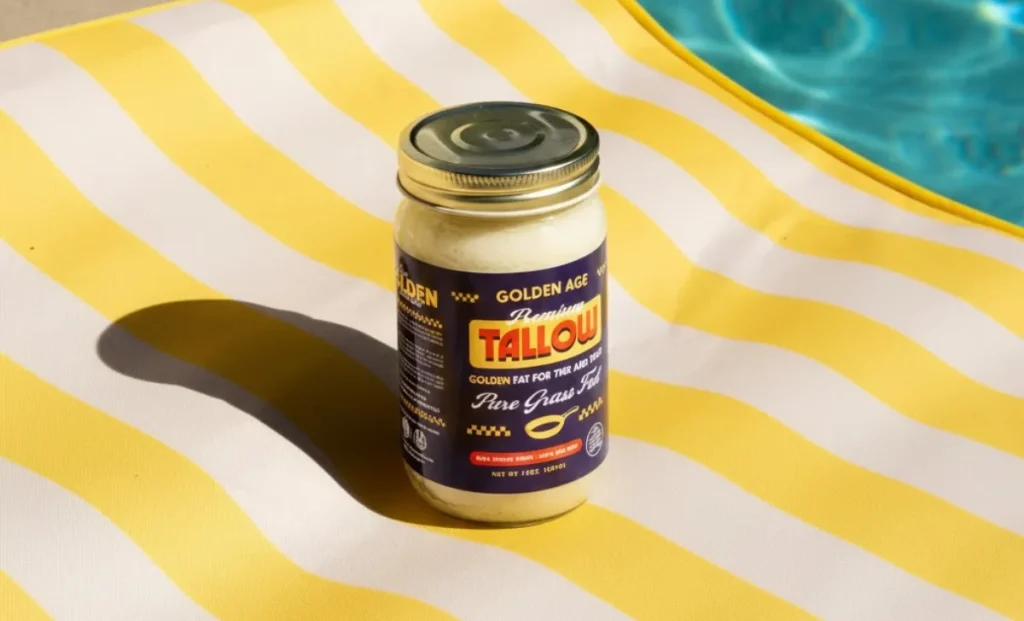
After decades of being dismissed as old-fashioned, grass-fed beef tallow is quietly reclaiming its place in American kitchens. This traditional cooking fat—rendered from cattle raised on pasture—offers a combination of culinary versatility and nutritional density that modern alternatives struggle to match.
Its high smoke point makes it ideal for everything from searing steaks to roasting vegetables, while its fatty acid profile has caught the attention of nutrition researchers and home cooks alike.
As families increasingly scrutinize ingredient lists and seek alternatives to industrial seed oils, tallow represents both a return to ancestral cooking methods and a practical solution for everyday meals. Knowing what makes grass-fed tallow special and using it properly can change how you cook.
What Makes Grass-Fed Beef Tallow Different
Grass-fed beef tallow comes from cows that eat grass throughout their lives instead of grain in confined lots. This dietary difference fundamentally alters the fat’s composition. Though every beef tallow has mainly saturated and monounsaturated fats, the grass-fed type offers more omega-3s and CLA—nutrients scientists study for possible health benefits.
The rendering process itself is straightforward: beef fat is slowly heated until the pure fat separates from connective tissue and impurities. What remains is a stable cooking fat with a smoke point around 400°F, making it suitable for high-heat applications that would degrade more delicate oils.
The nutritional profile matters for more than just marketing. Grass-fed cattle produce fat with a more favorable omega-6 to omega-3 ratio compared to grain-fed animals—a distinction that aligns with research on dietary fat quality. For families cooking multiple meals daily, these marginal improvements compound over time.
Practical Applications in Everyday Cooking
Tallow’s culinary advantages become apparent once you start cooking with it regularly. The fat adds a subtle richness without overwhelming other flavors—a quality that makes it particularly effective for:
- High-heat searing: The 400°F smoke point allows for proper Maillard browning on chicken thighs without the acrid smell that accompanies overheated vegetable oils.
- Roasted vegetables: Root vegetables like potatoes and carrots develop exceptional caramelization when tossed in melted tallow before roasting.
- Pastry and baking: Tallow can replace butter in pie crusts and biscuits, producing flaky layers with a neutral flavor profile.
- Deep frying: The fat’s stability at frying temperatures means it can be strained and reused multiple times without breaking down.
The key to working with tallow is understanding its solid state at room temperature. Unlike liquid oils, it requires gentle melting before use—though this same property makes it easy to measure and store. A jar kept near the stove provides quick access for daily cooking, while larger quantities can be portioned and frozen for long-term storage.
The Economics of Buying in Bulk
For families committed to using tallow regularly, purchasing in larger quantities offers clear financial advantages. A five-pound container might cost 20-30% less per pound than smaller jars, and the fat’s shelf stability eliminates concerns about spoilage. Properly stored in a cool, dark location, tallow remains usable for months; frozen, it lasts indefinitely.
This economic logic has driven growing interest in grass-fed tallow bulk options, particularly among households that have replaced vegetable oils entirely. The upfront cost is higher, but the per-use expense becomes competitive with premium olive oils—and significantly lower than specialty cooking fats like ghee or avocado oil.
Storage best practices include:
- Airtight containers: Move large amounts of tallow into glass containers or safe plastic storage with secure covers to stop air exposure.
- Cool, dark storage: A pantry or cupboard away from the stove maintains quality better than countertop storage.
- Freezer portions: Divide large quantities into smaller amounts for freezing, allowing you to thaw only what you need.
- Clean utensils: Only use clean, dry utensils when removing tallow to avoid adding water or dirt.
Households transitioning to bulk tallow purchases can order multi-pound containers from Golden Age Fats or Thousand Hills Lifetime Grazed, which offer volume pricing tiers, grass-fed certification verification, and guidance on proper portioning and storage for long-term use.
Simple Recipes to Start Using Tallow
Incorporating grass-fed beef tallow into your cooking routine requires no specialized techniques—just a willingness to substitute it where you’d normally use butter or oil. These foundational recipes demonstrate its versatility:
Crispy Tallow-Fried Potatoes
Cut 2 pounds of russet potatoes into wedges or fries. Heat 3 tablespoons of grass-fed beef tallow in a big cast-iron pan on medium-high. Lay potatoes in a single layer and leave them alone for 4-5 minutes until nicely browned. Turn them over and keep cooking until crunchy throughout, roughly 15 minutes altogether. Season with salt immediately after removing from heat.
Tallow-Roasted Root Vegetables
Preheat the oven to 425°F. Toss 3 pounds of mixed root vegetables (carrots, parsnips, turnips, beets) with 4 tablespoons melted tallow, salt, and pepper. Place on a baking sheet and cook for 35-40 minutes, stirring halfway through, until crispy and tender.
Flaky Tallow Biscuits
Combine 2 cups flour, 1 tablespoon baking powder, and 1 teaspoon salt in a bowl. Cut in 6 tablespoons cold, grated tallow until mixture resembles coarse crumbs. Stir in ¾ cup cold milk just until dough comes together. Pat into a ¾-inch thick round, cut into biscuits, and bake at 450°F for 12-15 minutes until golden.
Pan-Seared Steaks
Dry two 1-inch steaks and coat well with salt and pepper. Warm 2 tablespoons tallow in a thick pan on high until it glistens. Add steaks and cook without moving for 3-4 minutes per side for medium-rare. Let rest 5 minutes before serving.
These recipes work equally well with adjustments for dietary restrictions—swap regular potatoes for sweet potatoes, use gluten-free flour for biscuits, or adapt the vegetable selection based on what’s seasonal and available.
Making the Switch to Traditional Fats
The resurgence of grass-fed beef tallow reflects broader shifts in how families think about cooking fats. After decades of being told that vegetable oils represented progress and animal fats were unhealthy, emerging research and culinary experience have complicated that narrative.
Tallow offers heat stability, nutritional density, and cooking performance that align with both traditional foodways and contemporary nutritional understanding.
For families ready to experiment, the transition can be gradual. Start by using tallow for high-heat applications where its advantages are most apparent—roasting vegetables, searing meat, or frying potatoes. After you understand how it functions, experiment with it in baking and other recipes. The fat’s neutral flavor means it won’t dramatically alter familiar recipes, just enhance them.
The practical benefits extend beyond individual meals. Reduced reliance on industrial seed oils, lower per-use costs through bulk purchasing, and the satisfaction of cooking with a minimally processed ingredient all contribute to a more intentional approach to family nutrition.
Whether you’re drawn to tallow for its culinary properties, its nutritional profile, or its connection to traditional foodways, it represents a meaningful alternative to the cooking fats that have dominated American kitchens for probably the past half-century.
