
Choosing the Perfect Kitchen Cabinet Handles: Style Meets Function
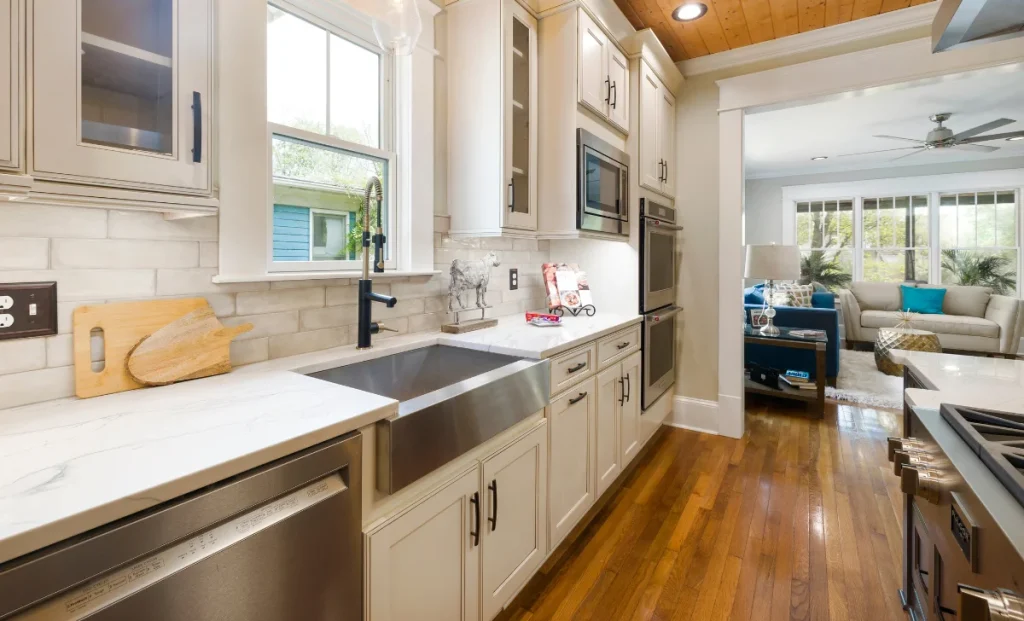
When you’re planning a kitchen refresh or even just looking to give your cabinets a subtle update, the hardware you choose can make a surprising difference. Because cabinet handles are used every day and they’re in plain sight, they combine the practical with the aesthetic in one neat little component.
Here’s a thoughtful guide to help you navigate the world of kitchen cabinet handles, what to consider, what to avoid, and how to make sure your selection works for both design and day-to-day living.
Why Cabinet Handles Matter
It might seem like a small detail, but the type of handle you pick influences how the kitchen feels and how it works. Good handles can enhance the appearance of your cabinetry, draw attention to your style and finishes, and make opening and closing doors and drawers more comfortable.
On the flip side, the wrong handles can look out of place or even feel clumsy when in use. Handles are one of the easiest ways to update existing cabinetry without the cost of replacing entire doors, giving your kitchen a renewed look with minimal effort.
What to Consider When Selecting Handles
Choosing cabinet handles is about more than just picking a finish and style you like. Here are important points to consider.
Style and Finish
The finish of a handle—brass, nickel, black, bronze, or chrome—will set the tone for your kitchen. Many homeowners choose to coordinate the handle finish with other fixtures such as taps, appliances, or lighting. The shape and style matter too.
Are you aiming for a modern slab-door look with sleek bar pulls or a more traditional with simple knobs? The handle design you choose can completely change the personality of your kitchen.
Size and Proportion
Handles that are too small for a large drawer or too large for a narrow cabinet door will look awkward and may even interfere with function. For drawers, a pull that covers about one-third of the drawer width tends to look balanced. If you’re unsure, go for a medium length handle that complements both doors and drawers. Handles shaped for comfort and simple to hold work best in active cooking spaces.
Placement and Ergonomics
It’s not just what the handle looks like but how it will be mounted. The handle’s placement should correspond to how you open the door or drawer, how your hand naturally grips it, and whether it interferes with adjacent drawers or appliances.
Placement is also about comfort—avoid handles that feel awkward or cause strain. For smaller kitchens, consider handles with a lower projection to avoid catching clothing or creating visual clutter.
Consistency vs Contrast
There is value in consistency because repeating the same handles gives a cohesive and unified look. However, contrast can also be striking. For example, mixing matte black pulls with brass knobs can add depth and visual interest.
Some homeowners use pulls for drawers and knobs for doors, while others prefer a uniform look throughout. Think about whether you want handles that blend in subtly or pop as design features.
Trends and Practical Tips
Here are some additional observations and helpful hints when it comes to cabinet handles in kitchens.
Trend: Mixed Metals and Diverse Finishes
Matching every finish perfectly was once the rule, but modern design now embraces mixing metals for a layered look. Mixing materials such as brass with flat black or nickel brings elegance and depth. Simply ensure every finish shows up in a minimum of two spots for visual harmony.
Practical Tip: Upgrade Existing Cabinetry
When your cabinets remain sturdy but appear old-fashioned, swapping handles offers an easy, affordable update. Cabinet hardware is a budget-friendly improvement that quickly refreshes your cooking space with no big remodeling.
Avoid Overly Ornate Designs
Highly decorative handles, like vintage glass or ceramic knobs, can make a space feel dated or out of sync with modern appliances and clean-lined cabinetry. They can also be harder to clean. Choose designs that complement your kitchen’s style without overpowering it.
Ergonomics Matter
For wide or heavy drawers, make sure the handle allows a solid grip. If a drawer is particularly large, consider using two pulls instead of one to distribute the pressure evenly. In tight kitchen layouts, low-profile handles or finger pulls can help maintain smooth traffic flow and avoid accidental bumps.
When to Choose Knobs vs Pulls
Typically, knobs go on cupboard doors while pulls are placed on drawers. Many designers still recommend this for its classic appeal. Yet choosing only pulls delivers a sleek, contemporary appearance that’s convenient. On the other hand, combining knobs and pulls can offer visual variety while remaining practical. It’s mainly about your own taste and whether they feel good to use.
Final Checklist Before You Buy
Before you commit to your handles, check:
● Do they harmonise with your cabinet style, taps, and appliances?
● Are the size and hole spacing compatible with existing fittings (if you’re replacing old ones)?
● Are they comfortable to use daily?
● Will the finish resist fingerprints and wear well over time?
● Do you prefer one uniform style or a mix of designs?
● Will they still suit your style several years from now?
In Summary
Cabinet handles might seem minor, but they significantly affect your kitchen’s appearance and usability. By paying attention to style, finish, size, and placement, you can elevate your cabinetry from purely functional to beautifully designed. If you’re redoing your whole kitchen or simply changing fixtures, proper handles unite the design while mixing function with character.
