
Heat Therapy vs Cold Therapy: Which Is Right for You?
Heat therapy is best for ongoing muscle stiffness, tightness, and chronic aches, while cold therapy is right for recent injuries, swelling, and inflammation because each works differently. To choose correctly, you need to know how heat and cold affect your body, which conditions they treat, safe usage times, and when to avoid them. Read this article to learn more today.
What Is Heat Therapy and How Does It Work?
Heat therapy uses warmth on your body to reduce pain relax muscles and improve blood flow It widens blood vessels so your tissues receive more oxygen and nutrients while lowering nerve sensitivity to ease spasms and stiffness You can use dry heat moist heat or professional treatments for chronic pain and muscle aches but avoid heat on injuries or swelling.
What Is Cold Therapy and How Does It Work?
Cold therapy or cryotherapy exposes your body to low temperatures to reduce pain and swelling. It works by narrowing blood vessels, slowing nerve signals, and lowering tissue metabolism to limit inflammation and damage. You can use ice packs, cold water immersion, or cryotherapy chambers for recovery and injury care. However, you should avoid it with poor circulation or heart problems.
Heat Therapy vs Cold Therapy: What Is the Difference?
Heat Therapy Relaxes Tight Muscles by Increasing Blood Flow and Improving Flexibility
Heat treatment eases tight muscles by boosting blood flow to the aching spot. More blood moving helps carry oxygen and food to heal and reduce stiffness. As muscles warm up, they stretch more easily and move with less discomfort. This makes daily activities and gentle exercise feel more comfortable.
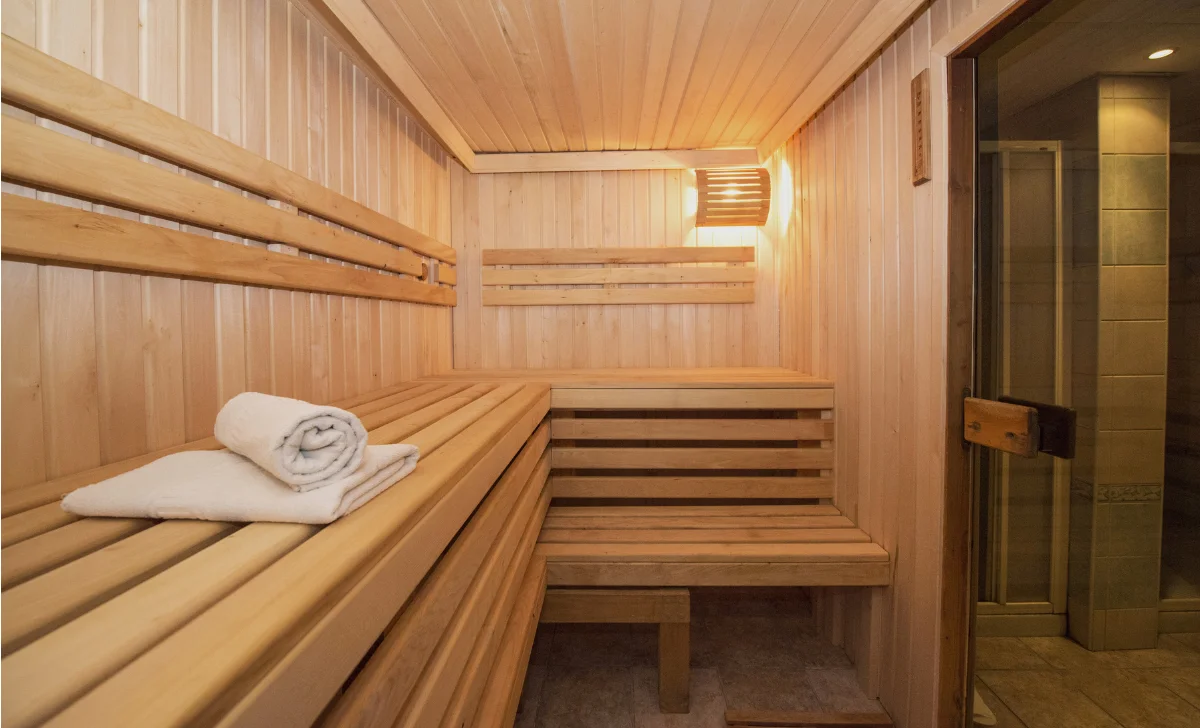
Sauna Before and After Results often show improved flexibility, reduced muscle stiffness, and greater overall comfort when heat therapy is used consistently. Heat works best for ongoing muscle tightness, stress-related tension, and long-lasting aches instead of fresh injuries.
Many users feel less pain, more flexibility, and added ease with consistent use. Using heat at the right time can improve flexibility and help your muscles recover more smoothly.
Cold treatment relieves pain by cutting down swelling, inflammation, and numbing the sore spot
Cold therapy works fast to reduce pain by lowering blood flow to the hurt area. This helps stop swelling from getting worse and keeps inflammation in check. The cold also numbs the affected area, making pain feel less intense for a short time. It works best right after a sprain, strain, bruise, or other recent injury.
Early treatment can limit tissue damage and make recovery easier. Many people notice less swelling, better comfort, and improved movement after using cold therapy correctly during the first stages of an injury.
Use heat for long-term muscle tightness, but pick cold for new injuries and swelling
Heat therapy works best when muscles feel stiff, tight, or sore over time because it relaxes tissue and improves movement. Cold therapy works better after a recent injury because it limits swelling and eases pain before inflammation grows.
Using heat on a fresh injury may increase swelling and make discomfort worse. Putting cold on soon protects the injured part and helps it get well quicker. Choosing the correct therapy at the proper moment helps your body heal better. A simple choice between heat and cold can make a noticeable difference in your recovery.
Heat and Cold Therapy Treat Different Problems, So Using the Right One Speeds Recovery
Heat and cold treatments work differently, so each fits a particular issue. Heat relaxes muscles, improves circulation, and reduces long term stiffness. Cold slows blood flow, controls swelling, and relieves pain after new injuries.
Choosing the correct option gives your body the support it needs at each stage of healing. Using the wrong treatment may increase discomfort or delay recovery instead of helping it. Knowing the difference lets you handle pain with more confidence. Matching the therapy to your condition often leads to quicker relief and better overall healing.
Back Pain, Arthritis, and Muscle Tension Respond Better to Heat, While Sprains and Bruises Need Cold
Heat often helps back pain by relaxing tight muscles and improving blood flow around sore areas. People with arthritis may also feel less stiffness and move more comfortably after gentle heat treatment. Muscle tension responds well because warmth encourages the muscles to loosen naturally.
Cold therapy gives better results for sprains and bruises by reducing swelling and easing pain soon after the injury happens. Treating each condition with the right method supports better healing and prevents unnecessary discomfort. Understanding which treatment matches your condition helps you heal safely and well.
Using heat or cold for 15 to 20 minutes at a time gives the best results and avoids skin harm
Using heat or cold for 15 to 20 minutes gives your body enough time to gain relief without harming your skin. Longer sessions can cause burns, frostbite, or skin irritation, so avoid leaving a heating pad or ice pack on for too long.
You can repeat treatment every few hours if needed, but always give your skin time to recover. Always wrap the heat or cold pack in a clean towel rather than putting it right on your skin. Stop right away if you notice numbness, severe redness, pain, or unusual discomfort because these signs may mean your skin needs protection.
Choosing Between Heat and Cold Depends on Whether Your Goal Is to Relax Muscles or Reduce Inflammation
Your choice between heat and cold depends on what your body needs most. Heat works best when your muscles feel tight, stiff, or sore because it improves blood flow and helps them relax. Cold therapy works better after a fresh injury because it reduces swelling, inflammation, and pain.
Using the wrong option may increase discomfort or delay recovery, so it helps to understand the cause of your pain first. If you have a recent injury, choose cold. If you have muscle tension or long lasting stiffness, choose heat. Matching the right treatment to your condition brings better and faster relief.
When Should You Use Heat Therapy?
- Relieves Muscle Stiffness: Heat therapy helps loosen tight muscles and reduce stiffness.
- Eases Chronic Aches: It can provide comfort for ongoing muscle and joint pain.
- Improves Blood Flow: Heat increases circulation, helping muscles relax and recover.
- Helps Muscle Spasms: It can lessen pain from muscle spasms and tightness.
- Supports Stretching and Exercise: Using heat before activity helps prepare muscles for movement.
- Avoids Fresh Injuries: Do not use heat on new injuries with swelling, bruising, or inflammation.
- Use It Safely: Apply gentle heat for 15–30 minutes and avoid excessive temperatures to protect your skin.
Is it alright to use both hot and cold treatments?
Yes, you can switch back and forth, which is called contrast therapy. You use heat for three to five minutes to relax muscles, then cold for one to three minutes to reduce swelling and numb pain. Do the cycle three to five times, and end with cold. This method improves circulation and helps manage discomfort effectively in your body.
