
How Close Passing Accidents Can Cause Severe Cyclist Injuries
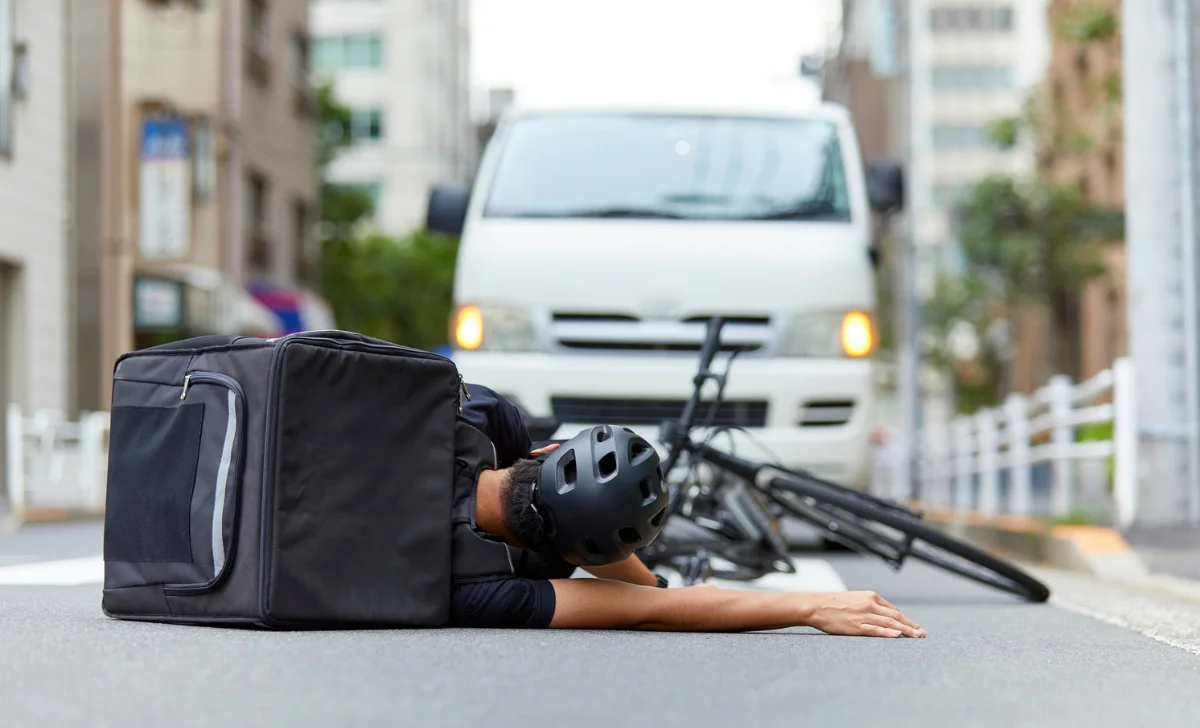
A close pass can feel like a quick scare, but it can become a serious accident in seconds. When a driver passes too close to a cyclist, the cyclist may be clipped, forced off balance, pushed toward the curb, or squeezed into debris.
Even without a direct hit, the sudden movement can cause a rider to fall into traffic, hit the pavement, or crash into a parked car. For cyclists, a few inches can make the difference between a safe ride and a life-changing injury.
In Tennessee, drivers must give bicycles at least three feet of room when overtaking and keep that gap until they are fully past safely. That rule exists because cyclists are exposed to risks that drivers inside vehicles may not fully notice.
A close pass can create panic, instability, and very little time to react. When a driver treats passing space as optional, the cyclist may be the one left with the injuries, medical bills, and long recovery.
The Three-Foot Gap Is a Safety Buffer
The three-foot passing distance is not just a technical rule. It gives cyclists room to stay balanced, avoid road hazards, and react if something unexpected happens. A bike does not move like a car. It may shift slightly because of wind, cracks in the road, gravel, potholes, or the rider’s natural movement.
When a driver passes too close, the cyclist loses that safety buffer. The rider may have nowhere to go if the vehicle’s mirror, trailer, or side panel comes near them. This is especially dangerous on narrow roads, bridges, hills, and streets with parked cars. A safe pass gives both the driver and cyclist enough space to avoid a small mistake turning into a crash.
When a Close Pass Becomes Evidence of Negligence
A close pass does not always involve direct contact, but it can still show unsafe driving. Large vehicles like trucks, buses, vans, and SUVs can create air pressure that pushes or pulls a cyclist off balance. If the driver passes too close, too fast, or without giving enough room, the cyclist may wobble, swerve, or crash. In these cases, the question is whether the driver acted with reasonable care around a vulnerable road user.
A cyclist may be injured even when the vehicle never touches the bike. If the rider crashes after being startled, squeezed, or thrown off balance, a bicycle accident attorney in Nashville, TN, may review whether the driver left enough space and followed safe passing rules. Evidence may include witness statements, camera footage, road width, vehicle speed, and the cyclist’s position before the crash. The focus is often on how the pass happened, not only whether there was physical contact.
Mirror Strikes Are Small Contact With Big Consequences
A side mirror may seem like a minor part of a vehicle, but it can cause serious harm to a cyclist. A mirror strike can hit the rider’s arm, shoulder, handlebars, backpack, or helmet. That contact can throw the rider off balance and send them into the road. The driver may not realize how much force a mirror can create at speed.
Mirror strikes can also be difficult to prove if the driver keeps going or claims there was no contact. Damage to the mirror, scratches on the bike, torn clothing, bruising, and witness statements may help tell the story. Cyclists should try to keep damaged gear if they can. Small marks may become important evidence later.
Squeeze Zones Make Close Passes Worse
Some roads offer little space for cyclists, especially on bridges, in construction zones, and on narrow streets with heavy traffic. Drivers may pass cyclists unsafely, putting them at risk of being trapped between vehicles, curbs, or potholes.
Close-passing danger can increase in places such as:
- Narrow bridges or overpasses
- Roads with no shoulder
- Construction areas with cones or barriers
- Streets with parked cars and door zones
- Curves where visibility is limited
- Hills where cyclists move more slowly
- Roads with potholes, gravel, or drainage grates
- Multi-lane roads where drivers refuse to change lanes
Close Passing Can Force a Rider Into Road Hazards
Cyclists often need to adjust their path to avoid hazards that drivers may not notice. A pothole, storm drain, broken glass, gravel, wet leaves, or uneven pavement can cause a crash. When a driver passes too close, the cyclist may lose the ability to move around these hazards. The rider may be forced to choose between hitting the hazard or being hit by the vehicle.
This is one reason cyclists may not ride at the extreme edge of the road. They may need space to avoid dangerous pavement or debris. Drivers may misread this as careless riding, but it is often a safety decision. A close pass can remove the cyclist’s only safe option.
The Fear Response Can Cause a Sudden Fall
A close pass can trigger an instant fear response. The cyclist may tense up, brake suddenly, swerve, or overcorrect. This reaction is not weakness or inexperience. It is the body responding to a vehicle that feels too close for safety.
Falls caused by panic or evasive movement can still be connected to the driver’s conduct. If the driver passed too close, too fast, or without warning, the cyclist’s reaction may be understandable. Injuries may include broken wrists, collarbone fractures, road rash, head injuries, and shoulder damage. These injuries can happen even when the vehicle never makes direct contact.
Camera Footage Can Tell the Passing Story
Closed passing cases can be hard to explain. A driver might feel they left enough space, while the cyclist may have felt close to danger. Camera footage can show distance, speed, road width, and angle of the pass. Useful sources include bike cameras, dashcams, doorbell cameras, and nearby business cameras.
Photos of the road can illustrate why the pass was unsafe. Lane width, shoulder space, parked cars, and potholes can explain the cyclist’s limited room. Witness statements can help if someone saw the close pass. Gathering details early makes it easier to show what really happened.
When Passing Too Close Becomes More Than a Scare
A close pass can leave a cyclist injured even if the driver thinks nothing happened. The danger may come from wind blast, mirror contact, panic, road hazards, or being squeezed into a narrow space. These crashes show why safe passing distance matters. Cyclists need room to stay upright, avoid hazards, and move safely with traffic.
After a close-passing crash, the cyclist should save photos, damaged gear, medical records, witness details, and any camera footage. These details can help explain how the driver’s pass created danger. A few inches may not seem important from inside a vehicle, but for a cyclist, that space can protect life, health, and recovery.
