
How People Keep Track of Their Cars During a Day Out
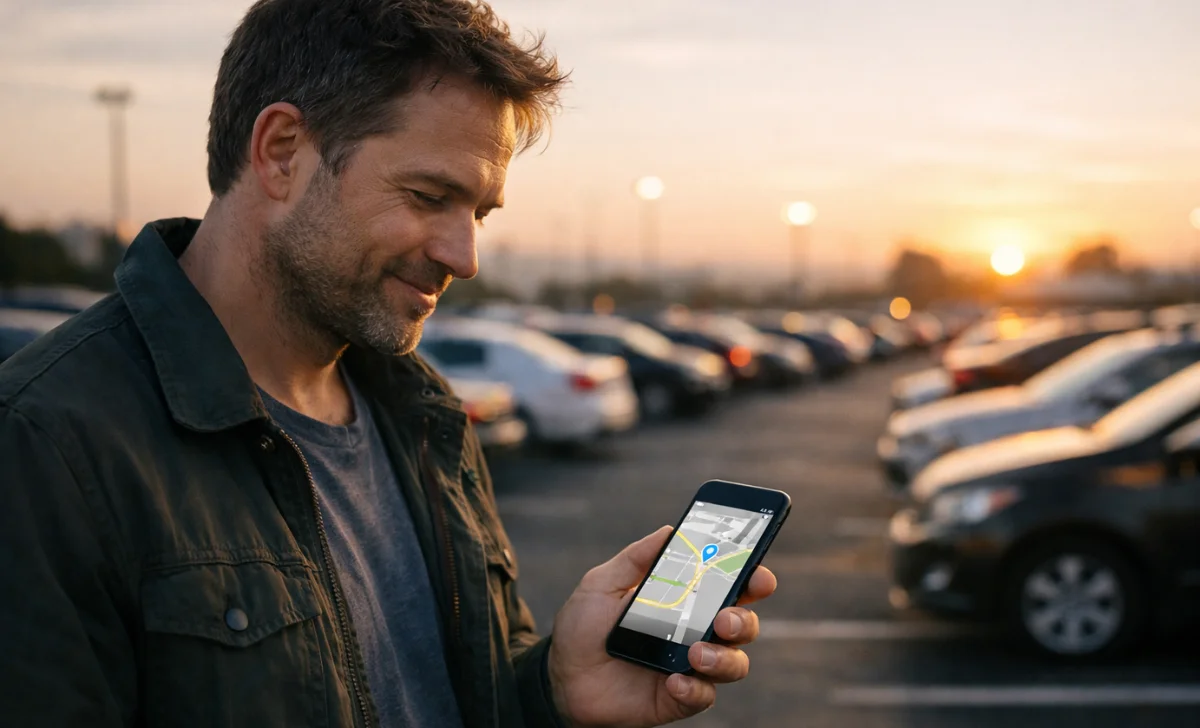
It usually starts with confidence. You lock the car, glance around, and think, “I’ll remember this spot.” Hours later, after shopping bags, food stops, crowds, and tired feet, that confidence quietly disappears. You walk one row, then another. The cars all look the same. Doubt creeps in, and what was a great day suddenly ends in frustration.
This experience is more common than people like to admit. A busy mall, a packed festival, or an unfamiliar city can overwhelm even the best memory. After a full day out, mental fatigue makes it surprisingly easy to forget where the car is parked.
That’s why people develop habits, use their phones, and lean on technology to avoid that end-of-day scramble.
And for those who want certainty instead of guesswork, a GPS tracker turns that stressful search into a quick glance at a screen, making the journey home as smooth as the day itself.
How Human Memory and Visual Cues Help People Remember Parking Spots
One of the most common ways people remember where they parked is by relying on visual cues, small details that help create a mental snapshot of the location.
Drivers often take note of things like
- Nearby store entrances: such as parking close to a supermarket, cinema, or department store, they know they’ll recognize later
- Elevator numbers or stairwells: especially in multi-level parking garage,s where each level or exit is clearly marked
- Colored zones or painted symbols: which help distinguish one section of the parking area from another
- Signs, pillars, or unique markings: like numbered columns, murals, or warning signs that stand out visually
- The direction the car is facing: helping drivers remember whether they walked forward, left, or right after parking
- Row, section, or bay numbers: often displayed on walls, floors, or overhead signs
Visual memory works well at the moment. Associating a parking spot with something noticeable helps the brain form a quick reference point. However, this method has its limits. Large parking areas often look repetitive, and after a long day, those details can blur together, especially when fatigue sets in, and many sections appear nearly identical.
GPS Trackers: The Most Reliable Way to Always Know Where Your Car Is
This is why car GPS trackers are a top choice for reliably finding your vehicle whenever you need to. Unlike memory-based methods or temporary habits, a GPS tracker provides accurate location information whenever it’s needed.
A GPS tracking system is a tracking device that is placed inside or attached to a vehicle. It works by sending location data to an app or online platform, allowing drivers to check where their car is using their smartphone or computer. Instead of guessing, retracing steps, or relying on visual cues, drivers can see their car’s location with just a few taps.
GPS trackers are especially useful for:
- Traveling to unfamiliar places, where parking layouts, signs, and surroundings are new and harder to remember
- Parking in large or crowded areas, such as malls, airports, stadiums, or festivals, where many cars look alike
- Shared vehicles make it easy for multiple drivers to know where the car is parked at any time
- Long-term or overnight parking provides reassurance when the car is left in a location for extended periods
Because car GPS trackers work independently of human memory, they remove uncertainty from the process. Instead of relying on recall, landmarks, or routines, drivers always have access to reliable location information, offering a level of certainty that other tracking methods simply can’t match.
Phone-Based Ways People Track Their Parked Car
Smartphones have become one of the most popular backups for human memory, especially during busy days out when there’s a lot to remember.
Many people rely on their phones in simple but effective ways, such as
- Taking photos of parking signs, section numbers, or level indicators, so they can visually retrace their steps later
- Snapping a wider photo of the surrounding area, including nearby cars, pillars, or walkways, for added context
- Dropping a pin on Google Maps or Apple Maps, marking the exact location of the parked car before walking away
- Using navigation apps that automatically save the last parked location, removing the need for manual effort
- Checking the saved location multiple times throughout the day, especially in large or unfamiliar parking areas
- Relying on map directions to walk back to the car, instead of trying to remember the route on their own
These phone-based methods are convenient and easy to use. A quick glance at a saved image or a pinned map location can save time, reduce frustration, and provide reassurance at the end of a long day. However, they aren’t completely foolproof.
Dead batteries, weak signals, app glitches, or simply forgetting to save the location in the first place, can still leave people wandering through rows of cars, wishing they had a more reliable backup.
Habit and Routine: Parking in Familiar Areas
Habit plays an important role in how people remember where they park their cars. When drivers visit the same place often, they tend to rely on routine rather than conscious effort.
Some drivers:
- Park in the same area every time they visit
- Choose spots near entrances they easily recognize
- Walk the same route to and from their car
This approach works well in familiar places like grocery stores, offices, or shopping centers people visit regularly. Because the routine feels automatic, there’s less need to actively remember details. However, this method has limits. When people go somewhere new, attend a busy event, or park wherever space is available, routine can no longer be trusted on its own.
Built-In Vehicle Technology and Smart Car Features
Many modern vehicles are equipped with smart features designed to help drivers locate their car, especially in large or unfamiliar parking areas.
These features may include:
- Manufacturer mobile apps that display the car’s exact or last-known location, allowing drivers to open an app on their phone and see where the vehicle is parked without relying on memory
- Built-in GPS or navigation dashboards, which store location data and help drivers retrace where the car was last turned off
- Remote controls that activate flashing headlights or the horn, making the vehicle easier to spot visually or audibly in crowded parking lots
Although these tools can be useful, they rely on factors such as vehicle compatibility, updated software, and strong connectivity. In busy environments like multi-level garages or packed event parking areas, lights and horn sounds may blend in with others, making the car harder to pinpoint quickly.
The Advantages of a GPS Tracker Go Far Beyond Just Finding Parking
Finding your car is helpful, but for many people, that’s only the beginning. The real value of a GPS tracker shows up in the quiet, everyday moments when uncertainty turns into reassurance. It’s the comfort of knowing that no matter how busy the day becomes, where you park, or how tired you feel later, your car’s location is never a question.
Instead of second-guessing memory or retracing steps, there’s a sense of calm that comes from having reliable information available whenever it’s needed.
Many drivers appreciate GPS trackers for reasons that go far beyond convenience:
- Peace of mind during long, busy days out, such as spending hours at a shopping mall, theme park, or city event, knowing the car’s location is always just a quick check away
- The comfort of knowing exactly where the car is at any time, whether it’s parked in a massive lot, left overnight, or being used by a family member
- An added sense of security and theft protection, especially when parking in unfamiliar areas or traveling, where being able to monitor movement feels reassuring
- Access to location history when needed, which can help drivers remember where they parked earlier, retrace their steps, or confirm details after a long day
Rather than solving a single problem, GPS trackers fit naturally into everyday life. They reduce end-of-day stress, remove second-guessing, and help turn what could be a frustrating search into a smooth, confident transition home, allowing people to focus on enjoying their time out instead of worrying about what comes next.
How GPS Trackers Easily Integrate into Your Daily Routine
One of the main reasons GPS trackers continue to grow in popularity is how effortlessly they blend into everyday routines. They don’t require constant attention or complicated steps, which makes them easy to rely on over time.
Most GPS trackers are designed to be:
- Simple to install, often requiring minimal setup so drivers can start using them without technical knowledge
- Discreetly placed, allowing the device to remain out of sight and out of mind while still doing its job
- Easy to monitor through a phone, giving drivers quick access to location information whenever they need it
Once a GPS tracker is set up, checking a car’s location becomes second nature. There’s no need to remember to take photos of parking spots, save map pins, or mentally note landmarks. Whether it’s a quick glance before heading back to the car or reassurance during a long day out, the information is always there, ready when it’s needed, without adding effort or stress to daily life.
Selecting the Best Car Tracking Method for Your Way of Living
Not everyone needs the same method to keep track of their car. The best approach depends on daily habits, travel frequency, and the types of places where you usually park.
- Occasional outings in familiar places, such as grocery stores, local shopping centers, or workplaces, may only require simple visual cues, routine parking habits, or quick phone reminders. In these settings, familiarity makes it easier to rely on memory without much effort.
- Frequent travelers, event-goers, or city drivers often face larger parking areas, unfamiliar layouts, and crowded environments. In these situations, memory and phone-based methods are more likely to fall short, making reliable tracking options far more useful.
- GPS trackers work best as a long-term solution for people who want consistency and peace of mind. Rather than replacing other methods, they complement them by providing a dependable fallback whenever routines break or memory fails.
Choosing the right way to track your car ultimately comes down to how often and where you park. As parking environments become larger and more complex, having a reliable tracking solution becomes less of a convenience and more of a practical everyday need.
Conclusion
For most people, forgetting where they parked isn’t about carelessness; it’s about being human. Busy days, unfamiliar places, crowded parking areas, and simple mental fatigue make it easy for even the best intentions to fall apart by the end of the day.
That’s why so many drivers rely on visual cues, phone reminders, habits, and built-in vehicle features to help them remember where their car is.
Any one of these options can be effective under the right circumstances. But as environments become larger, days grow longer, and routines are disrupted, their limits become clear. Memory fades, phones fail, and habits don’t always apply.
This is where GPS trackers quietly change the experience. Instead of relying on guesswork or retracing steps, drivers gain certainty. A quick glance at a screen replaces stress, doubt, and frustration with confidence and calm.
Whether parked at a busy mall, left overnight, or shared with family, the car’s location is never a question.
In the end, a GPS tracker doesn’t just help people find their car; it helps them end their day the same way it began: relaxed, in control, and focused on enjoying life rather than worrying about what comes next.
Frequently Asked Questions
Are GPS trackers better than built-in car location features?
Built-in vehicle apps and navigation systems can be helpful, but they often depend on specific car models, software updates, and strong connectivity.
GPS trackers work independently and are often more reliable in large parking lots, multi-level garages, or unfamiliar locations.
Do smartphones really help you find your parked car?
Yes, smartphones can be helpful.
Many people use Google Maps or Apple Maps to save their parked location, take photos of parking signs, or rely on apps that automatically record where the car was last parked. However, phone-based methods depend on battery life, signal strength, and remembering to save the location in the first place.
What are the limitations of using memory or habits to track your car?
Memory and habits work best in familiar places, such as a regular grocery store or workplace. Their limitations appear when routines change, like parking at festivals, airports, malls, or in new cities. Similar-looking parking rows and crowded environments can easily confuse even the most careful drivers.
How do GPS trackers help people find their car?
A GPS tracker shows the car’s real-time or last-known location through an app or online platform.
Instead of relying on memory, landmarks, or photos, drivers can simply check their phone to see exactly where the vehicle is parked, making the process faster and more reliable.
Who benefits most from using a GPS tracker for their car?
GPS trackers are especially useful for frequent travelers, city drivers, event-goers, families with shared vehicles, and anyone who regularly parks in large or unfamiliar areas. They’re also valuable for long-term or overnight parking situations.
