
How Professional Asphalt Paving and Repair Services Improve Properties
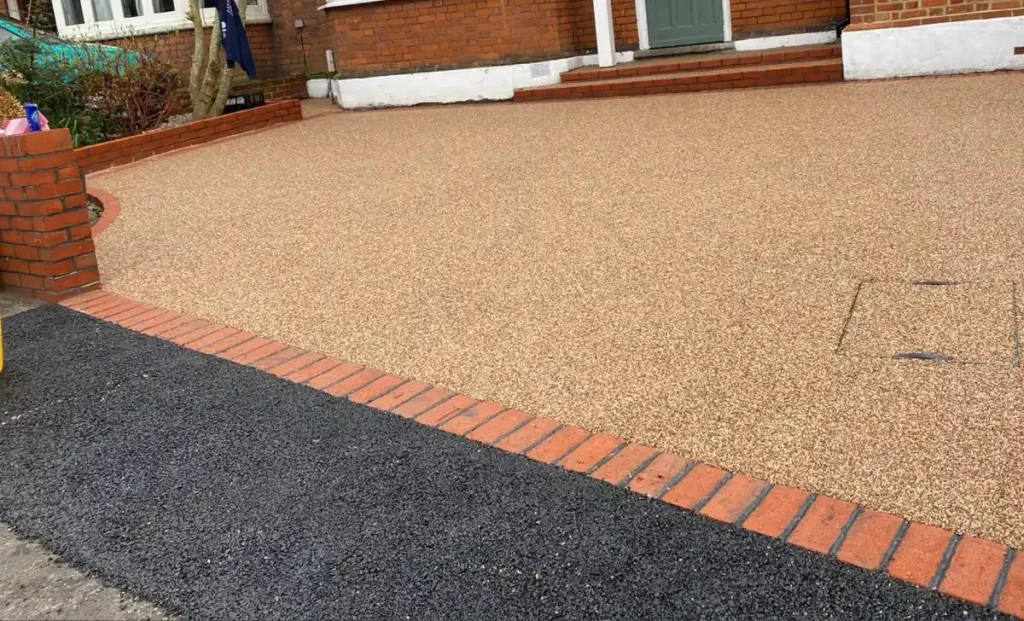
Asphalt is only as good as the crew that lays it. Get it installed right and it holds up for decades. Get it done wrong and you are dealing with cracks, pooling water, and a full replacement bill way sooner than you planned.
Sommerset Paving does residential, commercial, and municipal asphalt work, from new installations to repairs, resurfacing, and sealcoating. They focus on doing the base work correctly and using the right materials so your surface actually lasts.
Benefits of Expert Asphalt Paving for Homes, Businesses, and Municipalities
What separates a pavement job that lasts 25 years from one that falls apart in five comes down to how the base is built. A properly compacted aggregate base keeps the ground from moving under the asphalt and spreads vehicle weight evenly. Skip that step and the asphalt above it has no real foundation to sit on.
Grading matters just as much. If water has nowhere to go, it soaks into your base layer and in cold climates, that moisture freezes, expands, and tears the pavement apart from the inside. A cracked, uneven surface also creates real slip-and-fall risks and can put your accessible routes out of ADA compliance. That’s where hiring an asphalt contractor becomes a must.
Core Asphalt Services for Durable, Long-Lasting Results
New Asphalt Installation for Driveways, Parking Lots, and Pathways
Installing new asphalt includes different stages, and each one impacts how it turns out in the end. The job starts with excavating the existing surface and grading the subgrade. If the soil underneath is unstable, it needs to be stabilized or replaced before anything else happens. Not doing this part is the main cause why new asphalt breaks down too soon.
After the subgrade is solid, a crushed stone base goes in and gets compacted. Residential driveways typically need 4 to 6 inches of compacted aggregate base with 2 to 3 inches of asphalt on top. Commercial lots handling heavier vehicles need a deeper aggregate base, often 8 inches or more, with additional asphalt thickness. That foundation is what handles the real load over the life of your pavement.
Hot-mix asphalt then goes down in layers and gets rolled while still hot to create a dense, stable surface. The edges need to be finished tight because that is where deterioration almost always starts if the work is sloppy.
Repairs, Resurfacing, and Sealcoating for Longevity
Catch a crack early and your contractor can fill it fast before water gets in and does damage. Wait too long and that same crack becomes a pothole that needs section repair, which costs considerably more.
Putting on a new layer works well when the top is damaged but the foundation underneath remains strong. You get a surface that performs like new at roughly half the cost of full replacement, and on a good base it adds another 10 to 15 years of service life.
Sealcoating every two to three years protects your asphalt from UV oxidation and water infiltration, the two things that degrade it fastest. Give it around a year after putting in new asphalt before applying the first coating so it can completely set.
Picking the Best Asphalt Company for Good Results
Ask your contractor upfront whether they handle base work themselves or subcontract it. The base is where the job is won or lost, and you want to know who is accountable for it.
Get the full scope in writing before work starts. That means excavation depth, base material and thickness, asphalt mix spec, and number of lifts. Any contractor who cannot give you that clearly is not worth hiring.
Check that they’ve worked on jobs like yours and know your weather conditions. If you need an Ann Arbor paving contractor, it’s best to confirm they have worked through freeze-thaw conditions before as those require specific material choices and installation timing.
Maintaining Asphalt Surfaces to Extend Lifespan and Performance
The most costly maintenance mistake is letting cracks sit. A fresh crack is a cheap fill. That same crack after two winters of water and freezing becomes a pothole that needs real repair work. Walk your pavement every spring and take care of what opened up over the winter.
Sealcoating on schedule is your best maintenance investment. It costs a fraction of resurfacing and consistently pushes that bigger job further into the future.
After heavy rain, check your drainage. Water pooling in the same spot for over an hour points to a grading issue or blocked drain that is silently working against your base layer. Clean up oil drips from vehicles quickly too, since petroleum breaks down the asphalt binder and degrades the surface over time.
Final Touches
Well-installed, properly maintained asphalt routinely lasts 20 to 30 years. Base quality, drainage, timely crack repair, and consistent sealcoating are what get you there. Let any one of those slide and you are shortening the lifespan and paying more over time. Hiring an asphalt contractor who is straightforward about materials and methods is the best way to get the full life out of your pavement.
