
How to Select the Perfect Water Pump Hose for Your Agricultural Needs?
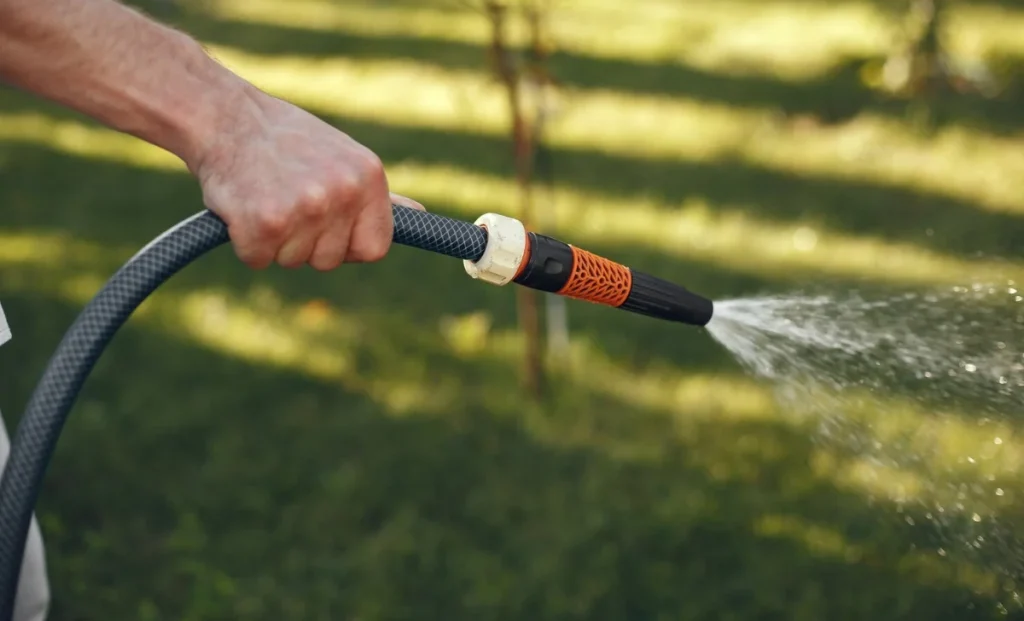
Selecting the perfect water pump hose can determine how efficiently a farm manages irrigation, water transfer, and day-to-day operations. A well-chosen hose supports consistent water flow, reduces waste, and improves the overall performance of farm equipment. The perfect water pump hose matches the system’s pressure, flow rate, and application needs to deliver dependable results across all farming tasks.
Each farm has different water demands, soil types, and layouts, so a single hose type rarely fits every situation. Materials, diameter, and flexibility all influence how long a hose lasts and how smoothly it operates under pressure. Understanding these factors helps farmers make practical decisions that save both time and money.
The following guide outlines key selection criteria, explains how the right hose design supports efficient irrigation, and highlights ways to improve performance across the property. With the right knowledge, anyone can achieve better water control and keep necessary systems running efficiently throughout the season.
Necessary Criteria for Choosing the Ideal Water Pump Hose
A proper hose setup allows a water pump to perform efficiently, move water at the intended flow rate, and handle the unique demands of farm work. Each factor, like hose type, size, material, and pressure rating, influences how well a system moves water without added wear or failure.
Matching Hose Type to Agricultural Applications
Choosing the right hose type depends on where and how it will be used. On farms, suction hoses draw water from tanks, creeks, or dams, while delivery hoses move it to crops or holding areas. A water suction hose must stay rigid under vacuum pressure and avoid collapse, especially during long lifts.
Delivery or layflat hoses weigh less and handle positive pressure well. Farmers often prefer lay-flat hoses for temporary irrigation or flood work because they store easily and can be rolled out quickly. Rigid hoses, by contrast, suit fixed pump installations that demand long-term durability.
The best choice also depends on water quality: clean water allows for lighter hoses, while silty or debris-filled water calls for lined hoses that resist abrasion and clogging.
Determining Suitable Hose Diameter and Size
Hose diameter affects flow rate, pressure, and pump performance. The diameter should match the inlet and outlet of the pump for balanced flow. A mismatch can restrict output or overwork the pump. Standard agricultural hoses range from 1 inch for light-duty uses to 3 inches or more for large-scale transfer.
For longer runs, a slightly larger diameter helps maintain flow efficiency. However, oversized hoses become heavier and less flexible, which matters in portable or temporary setups. Farm operators benefit from checking manufacturer specifications before purchase.
Short hoses limit head loss and keep pressure steady, while longer hoses often need fittings or couplings to maintain secure joins under pressure.
Importance of Hose Material and Durability
Material selection influences how long a hose will last in harsh conditions. PVC hoses are easy to carry and affordable, which makes them a common choice for regular tasks. Rubber or reinforced options suit high-pressure or abrasive environments where rocks, mud, or livestock contact often cause wear.
Farmers dealing with fertiliser or dirty water should choose hoses with inner linings that resist chemical or physical damage. UV protection also matters in Australian conditions since constant sunlight can harden and crack exposed hoses.
Quick-release fittings or threaded joiners reduce leaks and make replacement easier. A resilient outer layer supported by internal reinforcement gives a consistent water path and prevents kinks that limit flow.
Assessing Flow Rate, Pressure Ratings, and Friction Loss
The pressure rating of a hose must meet or exceed the pump’s maximum discharge pressure. Underrated hoses may bulge or burst under stress. Each pump lists its operating pressure, usually measured in PSI or bar, which should guide selection.
Flow rate drops as hose length and internal friction rise. A smooth inner surface and gentle bends keep loss to a minimum. Farmers using long irrigation runs may need to choose a hose designed to reduce friction through wider diameters or reinforced walls.
Excess fittings or sharp turns restrict movement and waste pump energy. Selecting the correct combination of hose and pressure rating keeps water delivery consistent and limits maintenance costs over time.
Optimising Farm Performance and Water Use
Efficient water transfer depends on the correct type of hose, proper fittings, and practical storage methods. The goal is to match each hose and component to its specific job to achieve steady flow, prevent leaks, and support long-term productivity on the farm.
Choosing Between Suction, Discharge, and Layflat Hoses
Farmers use different hoses for water movement depending on where the water travels. Suction hoses pull water from storage containers, reservoirs, or wells. These hoses have reinforced walls to prevent collapse under negative pressure. A reinforced rubber or PVC suction hose works best for drawing water from deeper sources where the flow pressure may vary.
Discharge hoses push water from pumps to target areas such as irrigation pipes, livestock troughs, or storage tanks. A delivery hose must handle higher pressure without kinking. Choosing the right hose width and length also impacts how fast water moves through it. A larger diameter handles more volume, while shorter hoses reduce energy loss.
A layflat hose suits large-scale irrigation or emergency water transfer. It lies flat when empty, saving space and allowing easy transport. Farmers can lay it over long distances to supply multiple fields. In wet conditions, its smooth interior improves flow and reduces friction losses across uneven ground.
Fittings, Valves, and Hose Compatibility
Strong fittings and well-matched valves keep the system leak-free. Using the wrong connector between a suction hose and pump can cause pressure drops or bursts. Common connections include jubilee clips, threaded couplings, and quick-release fittings. Each should clamp tightly to prevent air leaks that reduce suction strength.
Compatibility depends on both hose material and fluid type. For chemical fertilisers, a PVC hose or reinforced hose rated for chemical use prevents corrosion. For washdown areas, a dairy washdown hose or rubber water hose resists hot water and cleaning agents. Valves allow precise control of water flow into irrigation lines or spray nozzles, reducing waste and improving water use efficiency.
Farm hoses with compatible fittings also simplify maintenance. Matching hose ends, couplers, and gaskets makes quick repairs possible without full system replacement. A consistent fitting standard across different hose types supports flexibility in daily operations.
Flexible Storage and Efficient Hose Handling
Proper storage extends hose life and makes daily farm work easier. Layflat hoses coil neatly onto hose reels, keeping storage areas tidy and reducing wear. A coiled suction or discharge hose should stay off rough ground to prevent cuts and abrasions.
Flexibility matters during setup and transport. Lightweight hoses ease movement between irrigation zones, while heavier rubber hoses handle high pressure near the pump. Farmers often use racks or mounting frames to store hoses away from sunlight, which slows UV damage and material cracking.
Clean hoses after use to prevent dirt build-up or algae inside. Regular checks for splits, loose fittings, or worn valves help maintain safe operation. Efficient hose handling saves time, reduces replacement costs, and keeps water use consistent across the farm.
Conclusion
Selecting the right water pump hose depends on understanding the needs of the farm and the type of tasks it must handle. Farmers should assess pressure, temperature range, and chemical compatibility to match the hose with its intended use.
Durability and flexibility also matter, as these factors affect performance and ease of use in different field conditions. A high‑quality hose made from resistant materials can help maintain steady water flow and reduce replacement costs.
By comparing key features such as size, strength, and material quality, farmers can make a practical choice that supports consistent irrigation and water transfer. Each detail, from fitting to storage, contributes to dependable farm operations and efficient water use.
