
The Importance of Reliable Residential HVAC, Plumbing, and Electrical Services
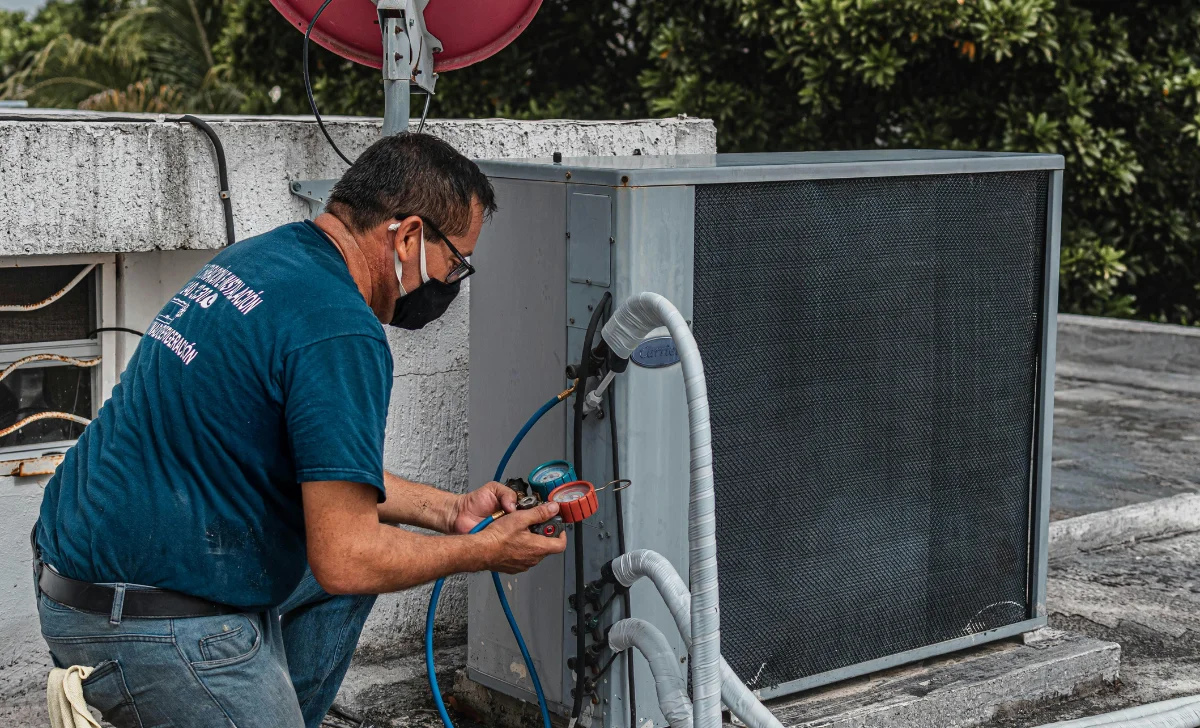
You likely don’t pay attention to your heating, pipes, or wiring until a problem pops up. And when a problem happens, it always comes at a bad moment. The problem with waiting is that small issues rarely stay small, and what could’ve been a $200 fix quietly turns into a $2,000 repair.
Keeping Homes Comfortable and Efficient Year-Round
Here’s something most homeowners don’t realize: heating and cooling eat up about 43% of your energy bill every month, according to the U.S. Department of Energy.
When your HVAC system is running with dirty coils or low refrigerant, it just keeps working harder to hit the temperature you set, and you keep paying for that extra effort without even knowing it. Getting a professional to tune it up once a year is honestly one of the easiest ways to cut down on what you spend.
Plumbing is sneaky in the same way. The EPA says a faucet dripping once per second wastes over 3,000 gallons a year, and a running toilet can blow through 200 gallons in a single day. Having a plumber check your supply lines and fixtures annually costs a lot less than the water bill surprises that pile up when you let those things slide.
Your electrical system has the same kind of hidden cost problem. Older panels were never built to handle everything a modern home runs at once, from always-on devices to EV chargers to home offices pulling power all day. If your wiring is aging or your panel is undersized, you’re likely losing energy as heat through overloaded circuits, and that’s on top of a fire risk that gives you no warning signs.
Why Professional Home Services Matter for Every Homeowner
HVAC Services for Heating and Cooling Comfort
A lot of people think an HVAC tune-up is just someone swapping the filter and calling it a day. What a licensed technician actually does is check your refrigerant charge, inspect the heat exchanger for cracks, test the capacitors and contactors, and measure combustion gases if you have a gas furnace.
Any one of those things, if missed, can put you in a tough spot mid-January when your heat goes out, or worse, put carbon monoxide into your home’s air.
The heat exchanger specifically is something worth knowing about. It’s the part of your gas furnace that keeps combustion gases separated from the air blowing through your vents, and when it cracks, those gases can get into your living space without any obvious sign. A technician with a combustion analyzer will catch it. Changing your own filter will not.
Pipe and Wiring Fixes That Keep Your House Safe
A hidden water leak is one of the worst things that can happen to a house, and the worst part is you usually don’t find out until real damage is done. A small pinhole leak inside a wall doesn’t pour water on your floor, it just quietly soaks the framing and drywall for weeks until mold sets in. A plumber can pressure-test your system and catch that kind of leak before you’re looking at a remediation bill.
Water heaters are simple to ignore until they stop working. Sediment builds up inside the tank year after year, wearing the unit down faster than it needs to, but a simple annual flush and anode rod check can add five or more years to its life. Replacing a water heater runs $800 to $2,000 installed, so spending a little on upkeep makes a lot of sense.
Faulty wiring starts roughly 51,000 home fires every year in the U.S., per the Electrical Safety Foundation International. If your breakers are tripping for no obvious reason, an outlet feels warm to the touch, your lights flicker when the microwave kicks on, or there’s a faint burning smell near your panel, don’t brush it off.
How 24/7 Services Help Homeowners
Pipes burst at midnight. Heating systems break down on the chilliest night of the year. You can’t predict it, but once it occurs, each hour you delay worsens the harm. A plumber who shows up at 11 p.m. might save you from tearing out an entire wall instead of just patching a section of drywall.
Heat loss is also a health issue, not just an inconvenience. Young kids and older adults can be at real risk from cold indoor temps that most healthy adults would just find uncomfortable.
The same goes in the summer when your AC quits on the hottest day of the year and you need emergency AC repair fast, not a callback two days later. When your system fails in extreme weather, you need someone who’s actually available that night, not a company that takes your message and books you for the next morning.
Outside of emergencies, flexible scheduling just makes your life easier. You can’t realistically take a Tuesday morning off work every time something needs servicing. A company that works evenings and weekends makes it a lot more practical to keep up with routine maintenance without rearranging your whole week.
Choosing the Right Residential Service Company for Long-Term Peace of Mind
Before you hire anyone, check that they’re licensed and insured. Every state requires licensing for HVAC contractors, plumbers, and electricians, and you can look up any company through your state’s contractor licensing board.
Always ask for a written estimate. A good company will put the scope of work and pricing on paper before anyone touches anything in your home. When companies push you to decide on the spot without anything in writing, that’s usually when mystery charges show up on the final invoice.
Ask about maintenance plans while you’re at it. Most cover yearly HVAC inspections and sometimes plumbing and electrical too, often with discounted rates on parts and labor. Rolling all three systems into one plan with the same company keeps everything organized and typically costs less than scheduling each visit on its own.
Wrapping Up
Your HVAC, plumbing, and electrical systems aren’t going to warn you before they fail. But how you maintain them has a direct effect on how often they do. Skipping service year after year saves a few hundred dollars until the day a neglected system gives out, and then it costs you several times more to deal with it.
Finding a company that’s properly licensed, carries insurance, prices things honestly, and picks up the phone at 2 a.m. is the kind of thing that makes homeownership a lot less stressful. Get that relationship in place before you need it badly, not while you’re standing in a flooded kitchen.
