
The Importance of Timely Roof Repair and Replacement for Any Property
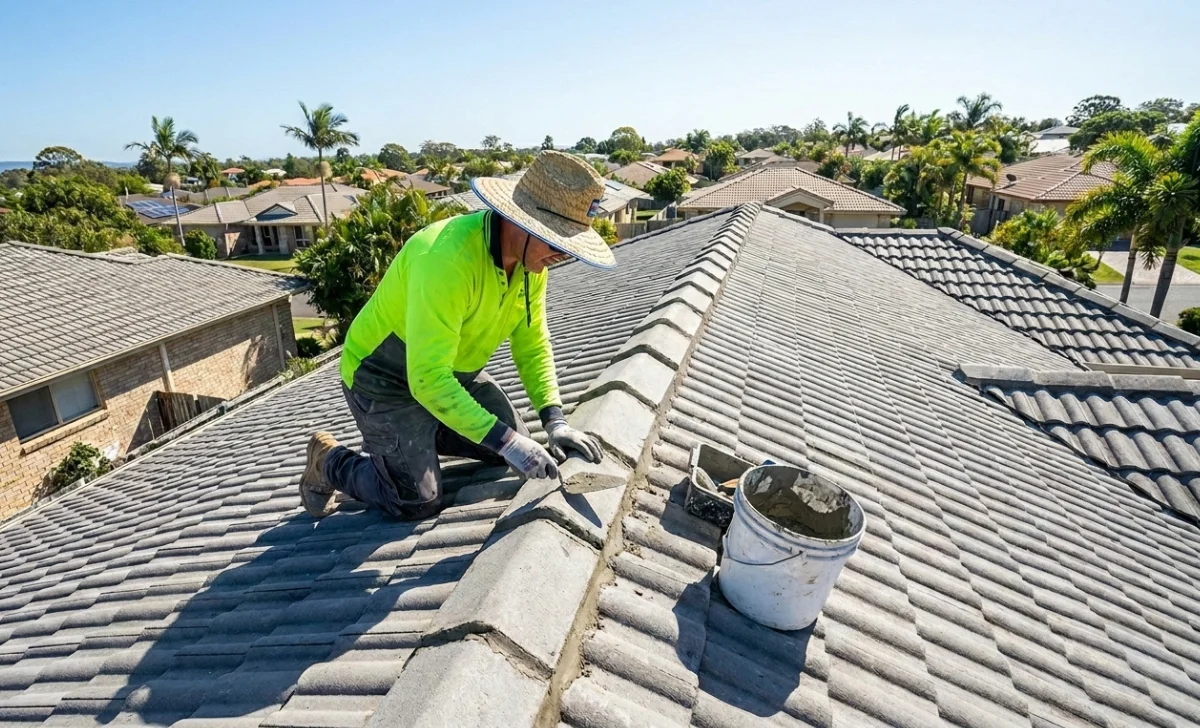
You probably never give your roof a second thought until water starts dripping through your ceiling or you notice a shingle sitting in the yard after a storm. By the moment you notice the problem, the underlying damage has likely been getting worse over time. That is just how roof problems work.
They never announce themselves early. A tiny gap here, a little moisture there, and before you know it you are looking at a repair bill that could have been a fraction of the cost six months ago. This article breaks down what you actually need to know, from spotting early warning signs to hiring the right person for the job.
Why Timely Roof Repair and Replacement Matters
A small roof leak does not stay contained. Water soaks through the roof deck, runs along rafters, and works into insulation and walls. When you spot a stain on your ceiling, the wood underneath has probably stayed damp for days or weeks.
Mold begins growing just one to two days after water gets in, quickly turning a roof leak into an expensive cleanup. Fixing a few bad shingles costs a few hundred dollars; replacing rotted decking, insulation, and interior drywall is a far larger expense.
The attic and roof account for roughly 25% of a home’s total heat loss, making a compromised roofing system one of the more significant sources of wasted energy. On the market side, inspectors flag roofing conditions in every report, giving buyers leverage to negotiate lower prices or walk away entirely.
Frequent Roof Problems Found in Homes and Business Buildings
Shingle damage is the most visible residential problem. Wind, age, and freeze-thaw cycles cause shingles to curl, crack, or detach, leaving underlayment exposed to the elements.
Membrane damage on flat commercial roofs, including punctures, lifted seams, and blistering, carries the same consequences as shingle failure on houses.
Flashing that fails near chimneys, skylights, vents, or wall joints is a top reason roofs start leaking. As sealant dries out and metal pieces loosen with age, they leave gaps where rainwater can sneak inside.
Poor attic ventilation traps heat in summer, degrading shingles prematurely, and allows warm interior air to condense against the cold deck in winter, introducing moisture into the structure.
Clogged gutters push water back under the roofline. In freezing weather, this can cause ice dams, which push melting snow back up under the shingles.
Ponding water on flat roofs breaks down membrane material wherever water sits more than 48 hours after rain.
Key Roofing Services Every Property Owner Should Know
Roof Repair: Fixing Problems Before They Escalate
A repair makes sense when the harm is limited to a small area and the rest of the roof is still in decent shape. A qualified contractor addresses the specific problem, whether damaged shingles, a cracked pipe boot, or pulled flashing, without disturbing sound areas.
Repair costs a fraction of full replacement, but only makes financial sense when the underlying materials still have years of life remaining. Checking your roof once a year, and after big storms, helps you spot issues before they become serious.
Roof Replacement: When a New Roof Becomes Necessary
You need a full replacement when damage covers much of the roof or the roof is simply too old. Basic 3-tab asphalt shingles typically hold up for 15–20 years, while thicker architectural shingles last 20–30 years, and metal or tile roofs remain durable for an even longer time.
Once a roof is at or near that range and deterioration is spread across the whole surface, replacement makes more financial sense than continued repairs.
Other indicators include moisture damage at multiple deck locations, widespread shingle failure, or recurring leaks in previously repaired areas. A proper replacement involves stripping to the deck, inspecting and repairing the deck, installing quality underlayment, replacing all flashing, and ensuring correct ridge ventilation.
How to Pick a Dependable Roofer for Lasting Outcomes
Before any work starts, confirm that your roofing contractor has both general liability insurance and workers’ compensation coverage. Request the actual certificates and confirm they are active.
Local experience matters. Whether you’re searching for roofing Boise professionals or contractors in your own area, a contractor familiar with your regional climate understands which materials perform well and how installation must be adapted to local conditions.
Get detailed, line-by-line cost estimates from no fewer than three different roofers. Each should specify materials (brand and grade), underlayment, disposal of old material, and warranty terms for both parts and labor. A vague estimate invites substitutions once work begins.
Contact references directly and ask whether the work has held up and how the contractor responded to post-job issues. Avoid any contractor who arrives unsolicited after a storm and pressures you to sign immediately, as this is a known industry problem associated with poor workmanship and unenforceable warranties.
Summing Up
Roof issues will not wait for you, and they will never improve without action. Every week a leak goes unaddressed, the water damage behind it grows, and what could have been a simple repair starts turning into something much more involved and expensive.
Stay on top of inspections, fix things when they are still small, and hire a contractor who is licensed, insured, and actually familiar with what roofs in your area go through. Do those things and your roof will do its job for every year it was built to last.
