
Juicer Buying Guide for Families: What to Look for in 2026
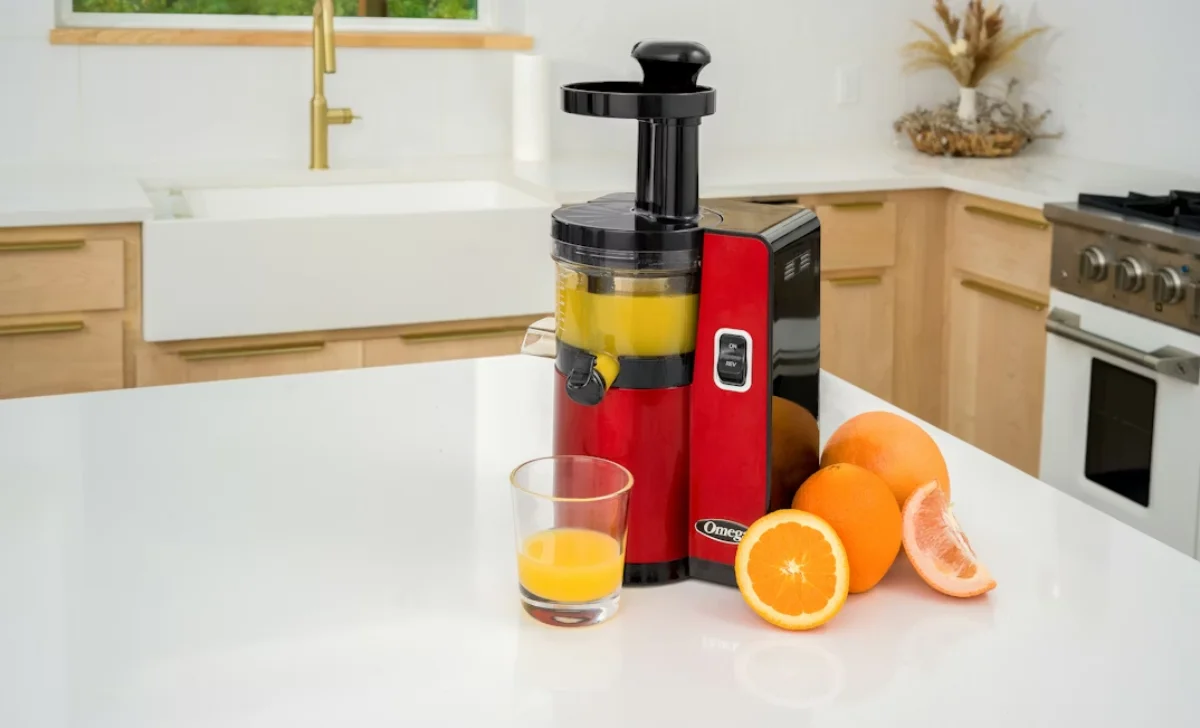
Some days feel like a race from the moment you wake up. Between school runs, work deadlines, and trying to keep everyone eating something green, “healthy living” can start to feel like another item on an already crowded to-do list. That’s where small, practical habits, like making fresh juice at home, can quietly shift the tone of your day.
Cold-pressed juice, in particular, has gained attention for its ability to retain more nutrients and deliver a smoother, fresher taste. But for families, the idea of juicing often comes with questions: Is it time-consuming? Will the kids actually drink it? And most importantly, what kind of juicer is worth bringing into your kitchen?
This guide aims to ignore the clutter and focus on what matters. If you’re looking for a way to support your family’s health while also simplifying your routine, choosing the right juicer can be a surprisingly calming, even enjoyable, step forward.
Understanding Juicer Types: Why the Details Matter
Before you click “add to cart,” it helps to understand what you’re actually buying. Not all juicers work the same way, and the differences can affect everything from taste to nutrition to how often you’ll use the machine.
The two main types you’ll come across are centrifugal juicers and cold-press (masticating) juicers.
Centrifugal juicers are fast. They use a spinning blade to extract juice, which makes them appealing for busy mornings when time is tight. They’re usually more affordable and widely available. However, the high-speed process introduces heat and air, which can slightly reduce nutrient retention and affect how long the juice stays fresh.
But cold-press juicers take their sweet time, moving nice and slow. They crush and press fruits and vegetables rather than spinning them at high speed. This gentler process helps preserve more vitamins and enzymes, and the juice tends to last longer in the fridge without separating as quickly.
For families trying to build healthier habits without adding stress, this difference matters. Cold-pressed juice can be made in advance, stored, and enjoyed throughout the day, something that fits naturally into busy routines.
That said, there’s no one-size-fits-all answer. If speed is your top priority, a centrifugal model might suit you. But if you’re focused on long-term health benefits and a calmer, more intentional kitchen rhythm, a cold-press juicer is often the better fit.
Family-Friendly Features That Actually Make Life Easier
A juicer might look great online, but if it’s difficult to use or clean, it will quickly end up collecting dust. For households, the right features turn daily use into a routine rather than letting the appliance collect dust.
Start with ease of cleaning. This is often the biggest deal-breaker. Look for models with fewer parts, dishwasher-safe components, and simple assembly. When cleanup takes five minutes instead of fifteen, you’re far more likely to stick with it.
Next, consider safety features. If you have younger kids, a juicer with secure locking mechanisms and stable construction is essential. Some models are designed to only operate when properly assembled, which adds peace of mind.
Feed chute size is another underrated feature. A wider chute means less chopping, which saves time and reduces prep stress. On busy mornings, that convenience matters more than you might expect.
Noise level also plays a role in your overall experience. Early mornings and nap times don’t pair well with loud appliances. Cold-press juicers tend to be quieter, making them a better fit for households where calm is hard-earned.
Finally, think about size and storage. If your kitchen is already full, a bulky juicer may feel like an intrusion. Compact designs or models that can stay on the counter without dominating the space tend to get used more often.
When a juicer fits seamlessly into your environment, it stops feeling like a chore and starts becoming part of your routine.
Cold Press Juicing System
Among the newer generation of cold-press juicers, the Hurom H320 cold press juicing system stands out as an example of how thoughtful design can reduce friction in everyday life.
What makes it particularly interesting for families is its focus on simplicity. The H320 features a large, self-feeding hopper, which means you can add ingredients in bigger pieces and let the machine do most of the work. This reduces prep time and allows you to step away while it runs, something that’s especially helpful when you’re juggling multiple tasks.
It runs quietly too, which can surprisingly change how your kitchen feels. Instead of a loud, disruptive process, juicing becomes a more relaxed activity that blends into your day.
From a health perspective, the slow squeeze technology aligns with what many families are looking for: better nutrient retention and juice that stays fresh longer. This makes it easier to prepare juice ahead of time, whether for school lunches or a quick afternoon pick-me-up.
Another practical benefit is the relatively streamlined cleaning process. While no juicer is completely effortless, models like the H320 are designed to minimize the usual hassle, which increases the chances that you’ll actually use it regularly.
For families aiming to reduce stress rather than add to it, appliances that prioritize ease and consistency can make a meaningful difference, and this is where models like the Hurom H320 earn their place in the conversation.
Budget vs. Value: Spending Smarter, Not More
When it comes to juicers, prices can vary widely. It’s tempting to go for the cheapest option, especially if you’re unsure how often you’ll use it. But for kitchen gear, paying less upfront doesn’t always mean you get the most for your money.
Entry-level juicers are accessible and can be a good starting point. However, they may lack durability, produce lower-quality juice, or require more effort to clean. Over time, these tiny hassles pile up and make you use the machine less often.
Mid-range and premium models, particularly in the cold-press category, often come with features that improve the overall experience, quieter operation, better juice yield, and longer-lasting components. For those who whip up juice day after day, those perks can make the steeper price tag totally worth it.
You should also consider how much you regularly spend on store-bought juice. Fresh, cold-pressed juices from cafes or grocery stores can be expensive. Making juice at home can cut that cost a lot over time, especially for families.
There are also hidden factors to keep in mind, such as produce costs and occasional replacement parts. Yet even with these points, many families find a good juicer earns back its cost in money saved, ease, and calm.
The goal isn’t to spend more. It’s to spend wisely on something that will genuinely support your daily life.
Conclusion
Choosing a juicer isn’t about finding the most advanced machine or following the latest trend. It’s about picking something that matches your family, your routine, your kitchen, and what matters most to you.
Whether you choose a basic fast-spinning juicer or buy a slow cold-press one, what counts is how easy it is to use. A juicer that’s easy to clean, safe to use, and aligned with your routine will always outperform one that looks impressive but feels inconvenient.
In a world that often feels rushed, small ritual, like making fresh juice, can create moments of calm and care. They show you that caring for your family’s health can be simple.
Start simple. Stay consistent. And make your kitchen a place that works with you, not against you.
