
How Lifestyle Choices Impact Personal Injury Recovery
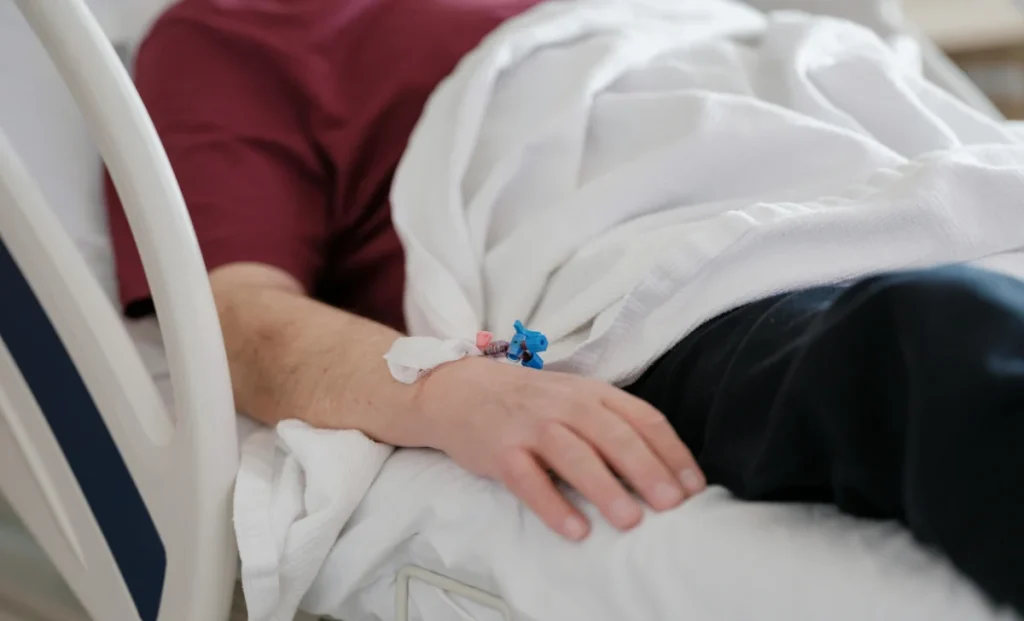
Getting better from an injury involves more than just the treatment from doctors.
Small daily actions can speed up your healing or make it take much longer. Diet, sleep, stress management, and other lifestyle factors play a major role in how your body heals from an accident.
And the surprising truth…
Is that lots of individuals don’t realize how much power they hold in their healing process. Making small changes to daily habits can put injury victims in the best position possible to recover quickly and return to normal life.
Here are the 5 biggest ways lifestyle affects personal injury recovery.
Table of Contents
- Why Lifestyle Affects Personal Injury Recovery
- The Role of Sleep in Healing
- How Nutrition Affects Recovery
- Stress and Mental Health Connections
- Habits That Slow Down Recovery
- Bottom Line
Why Lifestyle Affects Personal Injury Recovery
Personal injury cases are a common occurrence for millions of Americans each year. Whether it be a car accident, workplace injury, or slip and fall, these events cause physical trauma that requires a significant healing process.
However, recovery is not limited to doctor visits and medication.
Most of the healing happens away from the doctor’s office. The way that someone sleeps, eats, and manages stress during their recovery period has a huge impact on how quickly tissues are able to heal and how fast pain is alleviated. Working with an experienced personal injury attorney in Philadelphia can ensure you are compensated for all medical expenses, but the lifestyle choices that you make during recovery will determine how quickly you are able to return to full health.
Let’s look at some facts:
Research has shown that psychological factors account for an estimated 38% of the variance in whether or not a person with physical injuries would make a full recovery. That is a huge percentage to be directly linked to someone’s mindset and day to day habits.
The Role of Sleep in Healing
Sleep does more than just let you rest. Sleep is when your body performs its major healing tasks.
The body releases growth hormones while in deep sleep, which are essential for repairing muscle tissue and regenerating body tissues. If you don’t get enough good sleep, recovery will be much slower.
Here’s some food for thought:
When you lack sleep, your cortisol levels go up. Cortisol is a stress chemical that damages muscles and stops your body from fixing itself properly. Poor quality sleep also causes an increase in inflammation throughout the body, which can prolong how long an injury feels and takes to get better.
To sleep between seven to nine hours per night should be a number one priority for anyone that is in the process of healing from an injury. You can do this by:
- Going to bed at the same time each day
- Avoiding screens prior to bedtime
- Making the sleeping area as dark and quiet as possible
Sleep deprivation not only causes a slowdown in physical healing, but it also impacts mood and mental clarity, which make the entire recovery process even more difficult.
How Nutrition Affects Recovery
What you eat matters. Good food is one of the best ways to speed up healing from injuries.
Here is why:
Protein helps build your muscles and body parts. When you are in the process of recovering from an injury, the body will need extra protein to repair any damage. Lack of protein intake will cause a noticeable decrease in the rate of which someone is healing, and it can cause muscle mass to weaken during longer periods of rest.
However, protein isn’t the only thing your body needs. Vitamins and minerals also have essential roles:
- Vitamin C is required for collagen production and wound healing
- Zinc is necessary for fixing tissues and growing new cells
- Omega-3 fats lower swelling
Drinking enough water is as vital as eating well. Drinking water helps transport nutrients to the affected areas and flushes out toxins that can inhibit recovery. Someone should aim to consume at least eight glasses per day.
Consuming processed foods and large amounts of sugar will only increase inflammation and delay the rate of which someone is able to heal. Whole foods such as lean proteins, fruits, vegetables, and healthy fats provide the body with the fuel it needs to properly repair itself.
Stress and Mental Health Connections
Injuries not only have a negative impact on the physical body, but they can also affect mental health.
Feeling worried, sad, and tense is very normal after a serious accident. Unfortunately, these mental health challenges can also directly impact physical recovery.
Research shows that if a person is experiencing psychological stress, healing time can be increased by 25% or more. This is because increased cortisol levels cause the body to produce less anti-inflammatory responses. Injured areas stay inflamed for a longer period of time, causing a significant decrease in the rate of which someone heals.
The connection between mental health and physical recovery goes both ways:
Depression can cause a lack of motivation in following through with physical therapy or even maintaining healthy habits. Depression also increases pain sensitivity, causing injuries to feel much more severe than they may actually be.
Handling stress while recovering isn’t just advice, it’s essential. Deep breathing exercises, meditation, gentle movement, and social support can all work together to keep stress levels to a minimum.
Habits That Slow Down Recovery
Certain daily habits can actually slow down your recovery.
Smoking is one of the worst culprits. Smoke from cigarettes constricts blood vessels and reduce oxygen delivery to injured tissues. This severely hinders the body’s ability to repair any damaged areas.
Other habits that will slow down the rate of healing include:
- Skipping meals or eating an unbalanced diet
- Sedentary lifestyle (when cleared by a physician)
- Ignoring symptoms of mental health challenges
- Failing to follow doctor recommendations
Eliminating any harmful habits and replacing them with healthy alternatives will help an injury victim in the right direction to bounce back.
Bottom Line
Lifestyle choices play a major factor in personal injury recovery. Sleep, diet, stress management, and avoiding unhealthy habits all have an influence on how quickly and completely the body is able to heal from an accident.
Medical attention and treatment is obviously important. But the daily decisions that are being made in between doctor appointments are just as important.
Let’s recap:
- Get seven to nine hours of good sleep each night
- Eat protein-rich whole foods and stay hydrated
- Control stress by relaxing and breathing slowly
- Never smoking and never touching alcohol
- Physical therapy and medical follow-through
Recovery is not a passive waiting game. It is a time to provide the body with the conditions it needs to properly heal. Smart and efficient lifestyle changes can help speed up the recovery timeline and create a better long-term outcome.
Anyone that is suffering from a personal injury should be taking their daily habits just as seriously as their medical care. The two work together to create the path of best possibility.
