
What Longer Stays Teach Travelers About Packing, Pacing, and Planning
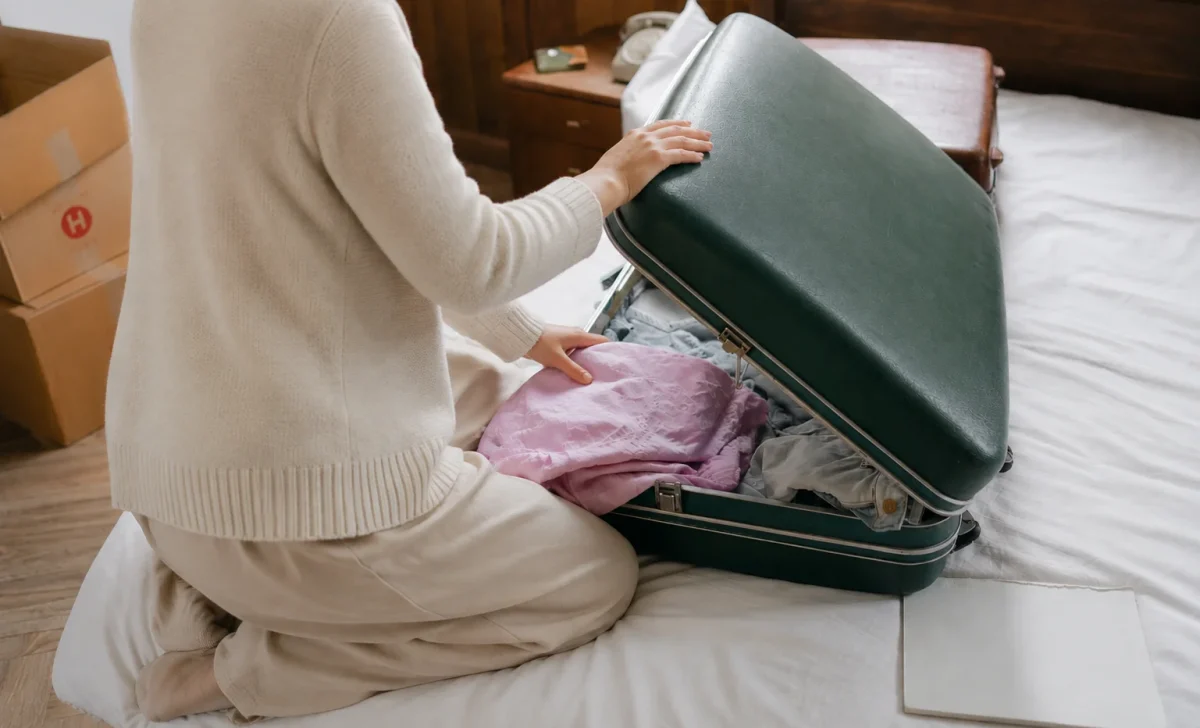
Ever come home from a week away feeling like you need another week away?
You’re not the only one.
The fast-pack-everything-you-can trip is fast losing appeal. Travelers are increasingly finding themselves lengthening their trips, staying in one spot longer and unpacking once and for all rather than sleeping with their suitcases half-zipped open.
And something magical occurs when they do…
Extended stays impact everything from trip logistics to packing lists to daily itineraries. Here’s how.
Better still?
Most of those lessons end up saving money.
What You’ll Uncover:
- Why Longer Stays Are Winning Right Now
- What Extended Trips Teach You About Packing
- The Pacing Lesson Nobody Talks About
- How Planning Changes On A Longer Trip
Why Longer Stays Are Winning Right Now
This isn’t a niche travel-blogger fantasy. It’s showing up in the data.
American Express Travel discovered that out of those that are building additional days onto milestone travel, 72% extend their trip by three or four days. Majority prefer hanging around longer rather than cutting their trip short.
Summer’s bleed into the travel calendar as well. In America, trips taken after Labor Day went from representing 12% of all travel in 2022 to 20% in 2026 as guests shift away from crowded peak weeks to slower, more affordable periods.
So why the shift? Mostly because the maths works.
The Money Actually Adds Up
Here’s the part that surprises people.
14 nights in a single property will almost always cost less per night than two separate bookings of 7 nights. Your flights will be split over more nights. Weekly and monthly rates apply.
But beyond that, the booking itself becomes cheaper the instant you remove the middleman and that’s where direct booking savings come into play. Third party sites add a guest service fee on top of your nightly rate. That fee increases with every night you tack on to your reservation. Book directly with the owner and you eliminate it altogether.
Owners of affordable luxury vacation rentals are also far more likely to negotiate on price for a three week reservation over a two night stay. Long-stays mean less house cleans for them, less downtime between guests and less risk. More nights means fewer fees and a better rate for everyone.
What Extended Trips Teach You About Packing
Short trips make people over-pack. It’s practically a law of nature.
Since nobody knows how the weather will behave or what you’ll feel like wearing, throw in the “just in case” options. Now 23kg is schlepped around for six days and four garments get worn.
Long stays kill that habit fast.
Proof: When you’re traveling for three weeks you can’t pack for every day. There’s no suitcase big enough. Instead travelers pack a system not a wardrobe and that system is just as effective for the weekend.
Pack A System, Not A Wardrobe
Most seasoned travelers figure this out eventually: Bring enough clothes for five days, then wash.
That one decision does a lot of heavy lifting:
- The bag gets lighter, so airports and transfers stop being a chore
- Everything mixes and matches, because there’s less of it
- There’s room left for whatever gets bought along the way
When you need a washing machine a property takes a 21-day stay and turns it into a five-day packing dilemma. Therein lies the magic formula. Which is also why travelers staying a while search accommodation by laundry facilities/kitchen way before bathroom and beds view photos.
Buy It There
The second packing lesson? Stop packing consumables.
Sunscreen, shampoo, coffee, snacks, beach towels … dragging all that stuff across a border just doesn’t make sense when there’s a supermarket ten minutes down the road. Shop local. It’s cheaper, lighter on your back, and immerses you in everyday life.
The Pacing Lesson Nobody Talks About
This is the big one.
Every day is packed on a short trip. Wake up early, check off attractions, eat where someone suggested. Crash. Sleeping in feels like a waste, there’s always a clock ticking down.
Longer stays flip that completely.
Eighteen days to go. Missing a museum isn’t the end of the world. Tomorrow will do. Or never. That freedom from expectation is precisely why everyone goes home refreshed, not exhausted.
A pace that actually works looks like this:
- One anchor activity per day, not four
- At least two days a week with nothing planned at all
- Busy things in the morning, slow things in the afternoon
- A full rest day after anything big
Notice what’s missing? The packed itinerary.
The traveler who gets this will quit checking things off about a place, and start living in it… even if just for a little while. They discover their favorite coffee place. They know which beach is secluded at 4pm.
The irony of that is…. They often see more. Not because they hustled…..but because they lingered when things got interesting.
How Planning Changes On A Longer Trip
Short-trip planning is about maximising. Long-stay planning is about building a base.
The place stops being “somewhere to sleep” and becomes the anchor around which everything else revolves. Criteria change accordingly:
- A real kitchen — eating out 60 times gets expensive and boring, fast
- Fast, reliable internet — non-negotiable if any work is happening
- Somewhere proper to sit and work — a bed is not a desk
- Laundry — as covered above
- Location over luxury — walkable beats impressive every time
Talk To The Property Before You Book
Long stays reward travelers who actually have a conversation.
After a booking’s made, details matter more than ever: housekeeping during stay, flexible check-out, parking, video conferencing over WiFi. These aren’t questions a listing page can answer truthfully. Only a person can.
That negotiation is also where money flows. Weekly and monthly discounts are rarely, if ever, advertised. Neither are add-ons like airport pickup or complimentary late checkout. Long-stay guests inquire, and they score them because they are the guests every owner wants on their calendar.
A Simple Planning Order That Works:
- Pick the base first, dates second
- Compare the all-in price per night, not the headline rate
- Contact the property directly and ask about a long-stay rate
- Get the practical details confirmed in writing
- Leave at least half the calendar empty
Tying It All Together
Longer stays teach three lessons, and all three travel home with you.
Pack less. Five days of clothes plus laundry beats a full wardrobe every time.
Slow down. One thing a day, rest included, and absolute permission to skip whatever. Being there isn’t the same thing as ripping through it.
Plan for a base, not a schedule. Pick your place for its kitchen, internet, laundry, and location. Then negotiate directly with the owner, ask for the long stay rate and pocket the platform fees yourself where they belong.
The best part? None of this only works on a month-long trip.
Travel lighter next weekend. Keep one day open. Send an email ahead of “book”.
Small changes, same trip… a much better trip.
