
Moroccan Tile Backsplash: Design Considerations Guide for Your Home Renovation
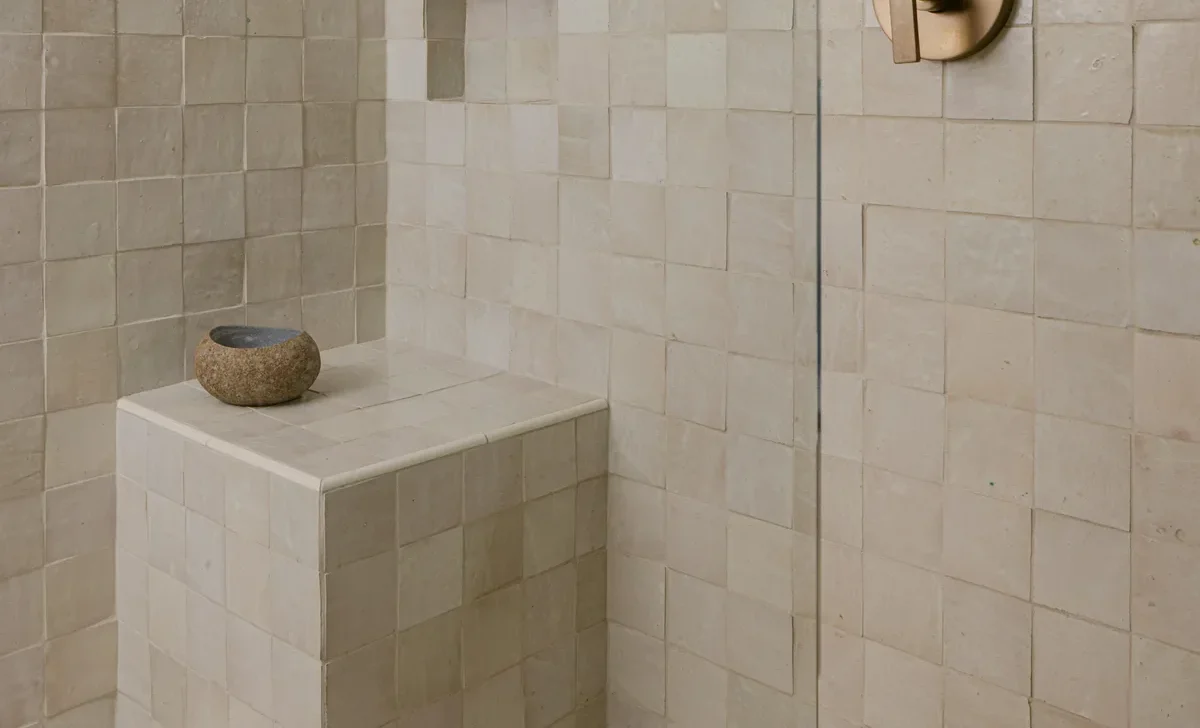
In the realm of home renovation, the kitchen often stands as a focal point, and a Moroccan Tile Backsplash can transform this space into a vibrant and culturally rich area.
Known for their intricate designs and vivid colors, Moroccan tiles add a unique flair that blends traditional craftsmanship with modern aesthetics. If you’re considering adding a Moroccan Tile Backsplash to your kitchen, this guide will walk you through the critical design considerations to ensure your renovation is both beautiful and functional.
Moroccan Tile Backsplash: A Statement of Style and Culture
Moroccan tiles are renowned for their ability to elevate the aesthetic appeal of any kitchen. These tiles, often crafted using traditional methods, showcase patterns that tell stories of Moroccan heritage and artistry. Incorporating them into your kitchen can serve as a design brief that defines the space’s character.
A well-executed Moroccan Tile Backsplash not only acts as a visual centerpiece but also sets the tone for the entire kitchen. For those looking to make a cultural statement, these tiles offer an unparalleled blend of art and functionality.
Key Design Considerations for Your Renovation
When planning your kitchen renovation, several design considerations need attention. First, evaluate your kitchen’s existing elements and how a Moroccan Tile Backsplash will integrate with them. Consider using a mood board to visualize how the tiles will complement existing materials, such as cabinetry and countertops.
Furthermore, it’s essential to think about the schematic design phase, where you map out the layout and positioning of the tiles. This stage ensures that your design is both aesthetically pleasing and structurally sound.
Incorporating sustainable materials is another consideration that can enhance the environmental friendliness of your renovation. Opting for eco-friendly tiles can contribute to LEED Certification, which recognizes environmentally responsible building practices.
By choosing tiles that are sustainably sourced, you not only enhance your kitchen’s visual appeal but also support sustainable practices.
Color Palette and Pattern Selection for Moroccan Tiles
Selecting the right color palette and pattern for your Moroccan Tile Backsplash is crucial to achieving the desired effect. Moroccan tiles are available in an array of colors and patterns, from bold geometric shapes to intricate floral designs.
When selecting colors, consider the overall color rendering of your kitchen. The chosen palette should harmonize with the existing kitchen elements while still allowing the tiles to stand out.
Patterns can also be selected to reflect personal taste and align with the kitchen’s overall theme. For instance, if your kitchen features a hardscape with neutral tones, opt for vibrant tile patterns that add contrast and visual interest. Alternatively, if your space is already colorful, a more subdued tile pattern may be appropriate to avoid overwhelming the design.
Maintenance and Care for Your Moroccan Tile Backsplash
Maintaining the beauty of your Moroccan Tile Backsplash requires regular care. These tiles are durable, but proper maintenance will ensure they retain their luster over time. Regular cleaning with non-abrasive products is essential to prevent damage to the intricate patterns.
Additionally, sealing the tiles can protect against moisture and stains, a critical step in the punch list of your renovation tasks.
It’s also worth considering the long-term care of your kitchen’s acoustics. If your kitchen includes open spaces, incorporating acoustic treatment can help manage sound levels, ensuring a pleasant cooking and dining environment. While not directly related to the tiles, this consideration can enhance the overall functionality and comfort of your kitchen space.
Conclusion
Choosing a Moroccan Tile Backsplash for your kitchen renovation is a way to infuse cultural richness and stunning design into your home. By carefully considering design elements such as color palette, pattern selection, and sustainability, you can create a space that is both beautiful and environmentally conscious.
A Moroccan Tile Backsplash not only enhances your kitchen’s aesthetic but also contributes to a functional and inviting atmosphere, making your home renovation a rewarding investment.
