
Not All Cleaning Companies Are Created Equal
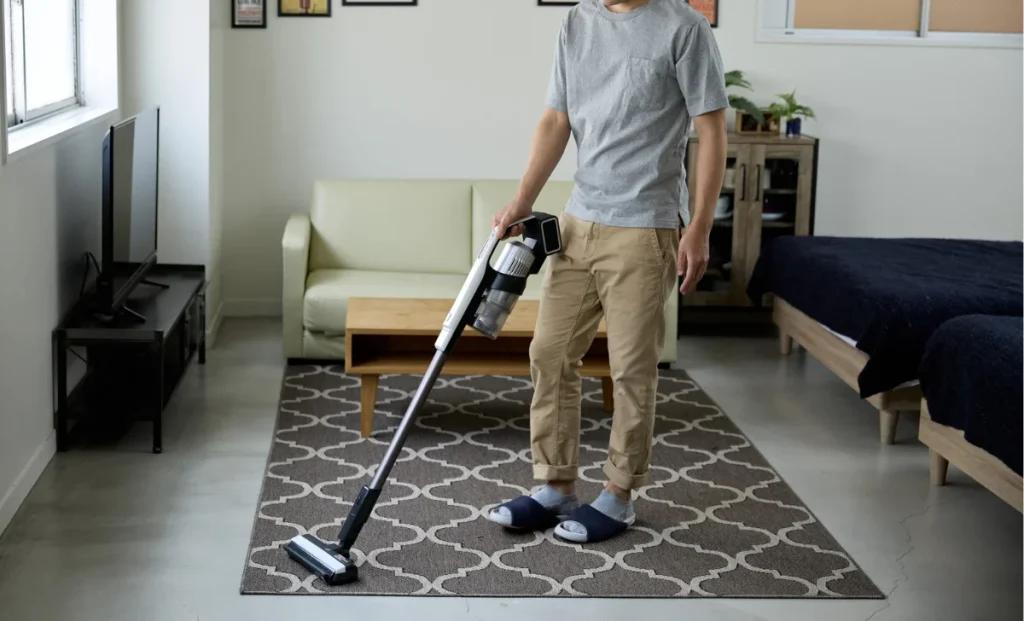
You require assistance with cleaning up your house. So you Google “house cleaning near me,” scroll through results, and they all look basically the same. Similar websites. Comparable prices. Everyone claims to be “professional,” “reliable,” and “highest quality.”
How different could they really be? Cleaning is cleaning, right?
Wrong. Dramatically, expensively, frustratingly wrong.
The gap between excellent cleaning companies and terrible ones is enormous. But from the outside, they’re often indistinguishable until you’ve already hired them and discovered problems too late to prevent.
Some companies transform your home and become trusted partners you rely on for years. Others leave you wondering if they actually showed up, damage your property, or create more headaches than they solve.
This field has surprisingly few requirements to get started. Anyone can buy supplies, print business cards, and call themselves professional cleaners. No licensing required in most places. No standardized training. There’s no one checking if they actually understand their work.
This creates a minefield where choosing wrong costs you time, money, and potentially damaged property. Want insights into what separates legitimate professionals from the rest? Check out expert insights on quality cleaning standards.
Here’s what actually distinguishes great cleaning companies from mediocre or terrible ones – and how to tell the difference before you’re dealing with consequences.
Training Separates Professionals From People With Mops
Certain businesses spend a lot on teaching their staff. Others hand employees supplies and assume they’ll figure it out.
The difference shows in results:
Trained professionals know:
- Each type of material needs its own cleaning method
- What products work on which surfaces without causing damage
- How to identify and treat specific stain types
- Proper dilution ratios for concentrated cleaners
- Cross-contamination prevention protocols
- Time management and systematic workflow
Untrained workers:
- Use the same product on everything regardless of appropriateness
- Often damage surfaces through incorrect technique or harsh chemicals
- Waste time through inefficient, random approaches
- Can’t properly treat stains because they don’t understand chemistry involved
Ask potential companies: “What kind of teaching do your workers get? Do you have any certifications?”
Red flag answers:
- “We hire experienced people” (which could mean anything)
- “They learn on the job” (translation: your home is their practice ground)
- Vague non-responses that avoid the question
Green flag answers:
- Specific training programs they’ve developed
- Industry certifications (CIMS, ISSA, or similar)
- Ongoing education requirements
- Shadowing period for new hires before solo work
The International Sanitary Supply Association found that trained cleaning professionals are 40-60% more efficient and produce significantly higher quality results than untrained workers.
Learning programs aren’t just about getting certificates. It’s about ensuring the people in your home actually know how to clean effectively without causing damage.
Not Everyone Does Background Checks (But Should)
You’re handing people you don’t know access to your house. Access to your belongings. Presence around your family.
Quality companies take this seriously. Budget operators skip it to save money.
Serious businesses perform:
- Crime history checks on every worker
- Reference verification from previous employers
- Identity verification
- Drug screening in some cases
- Ongoing monitoring, not just hire-time checks
Sketchy operations:
- Skip background checks entirely
- Check “sometimes” or “when it seems necessary”
- Use independent contractors as excuse to avoid responsibility
- Claim checks are “expensive” and unnecessary
Ask explicitly: “Do you conduct criminal background checks on everyone who enters clients’ homes?”
Accept only clear “yes” with details about what they check. “Usually” or “most of the time” isn’t acceptable when it’s your security on the line.
Some companies try to dodge this by using contract workers instead of employees, claiming they’re not responsible for contractor vetting. That’s unacceptable. Anyone entering your home under their company name should be verified regardless of employment classification.
Your protection is more important than making things easy for them.
Equipment Quality Makes Massive Difference
Not all cleaning equipment is equal. The gap between commercial-grade professional tools and consumer-level devices is enormous.
Professional HEPA cleaners trap nearly all tiny particles, including things that cause allergies and germs. Consumer vacuums maybe 60-80% of much larger particles.
Professional floor cleaning systems use rotating brushes, proper chemical injection, and powerful extraction. Consumer mops just spread dirty water around.
Truck-mounted carpet cleaning generates sustained high temperature and extraction power impossible with portable units.
Companies serious about quality invest $10,000-30,000+ in proper equipment. Budget operators use consumer-grade tools that cost a few hundred dollars and produce mediocre results.
You can’t always verify equipment before hiring, but you can ask:
- “What type of vacuum systems do you use?”
- “For carpet/upholstery cleaning, do you use truck-mounted or portable extraction?”
- “How often do you replace equipment?”
Legitimate companies answer confidently with specific equipment details. Vague responses suggest they’re using whatever they bought at the hardware store.
Research from the Cleaning Industry Research Institute shows equipment quality accounts for 30-40% of the variation in cleaning outcomes – far more than most people realize.
Systematic Approaches vs. Random Cleaning
Professional companies follow documented systems. Every cleaner works from the same checklist, follows the same sequence, and uses the same proven methods.
This creates consistency. You get comparable quality regardless of which team shows up.
Random operators clean whatever seems dirty, skip things they forget, and work without structure. Quality varies wildly depending on who’s working and how they’re feeling that day.
Signs of systematic operation:
- Detailed written checklists for each service type
- Clearly defined processes for each room
- Time estimates based on square footage and job scope
- Quality control procedures and spot checks
Signs of random approach:
- Vague descriptions of what they’ll do
- Can’t provide specific checklists
- Timing estimates are guesses rather than calculated
- No formal quality assurance process
Systems aren’t about rigidity – they’re about ensuring nothing gets forgotten and quality stays consistent across different team members and time periods.
Ask to see their cleaning checklist before hiring. Professional companies have detailed documents they’re happy to share. Disorganized operations don’t have anything to show you.
Pricing Transparency Reveals Company Character
The way businesses set their rates shows how truthful and professional they are.
Transparent companies:
- Provide detailed written quotes breaking down what’s included
- Explain clearly what costs extra
- Put everything in writing before starting work
- Honor quoted prices without surprise additions
Shady operators:
- Use low advertised prices to get in the door (bait-and-switch)
- Keep pricing vague until they’re at your house
- Charge extra for items you thought were part of the deal
- Pressure you to commit before understanding full costs
Classic scam: “$49 house cleaning!” You call excited. They arrive and explain that only covers basic surface dusting. Actually cleaning costs $200+. You feel trapped because they’re already there, so you agree to inflated prices you’d never have accepted upfront.
Get everything in writing. Specific services. Specific prices. No verbal promises that aren’t documented.
If a company won’t provide detailed written quotes before starting, that’s deliberate. They’re avoiding accountability for what they promise versus what they deliver.
Communication Patterns Predict Future Problems
The way businesses talk to you during hiring shows how they’ll talk to you later.
Red flags during hiring process:
- Days to return calls or emails
- Can’t answer basic questions without “checking and getting back to you”
- Pressure tactics to commit immediately
- Defensive responses to reasonable questions
- Avoiding putting anything in writing
Green flags:
- Prompt responses (within 24 hours)
- Knowledgeable answers to questions
- Welcoming of detailed inquiries
- Everything documented in writing
- No pressure, just clear information
Companies that ghost you for three days before you’ve hired them won’t magically become responsive after. Those who can’t answer basic questions about their own services are disorganized at best, dishonest at worst.
Communication quality is company culture made visible. Trust what you’re seeing.
Employee Treatment Affects Your Experience
How companies treat their workers directly impacts the service you receive.
Companies that pay fairly and treat well:
- Attract better employees
- Have lower turnover (experienced cleaners stick around)
- Get more effort and care from staff
- Have less theft and integrity issues
Companies that underpay and mistreat workers:
- Have constant turnover (you never get the same team twice)
- Attract desperate workers who may have issues
- Get minimal effort from demoralized staff
- Experience more theft and problems
You can’t always know internal dynamics, but high turnover and constantly rotating staff suggests underlying problems.
Studies in service industries consistently show that satisfied employees result in pleased clients. Happy, fairly compensated workers deliver better results.
Rock-bottom pricing usually means workers are being squeezed. That squeeze affects the service you receive, whether through rushed work, poor morale, or employees who don’t care because they know they won’t be there long.
Reviews Tell Stories If You Read Them Right
Everyone checks reviews. But most people read them wrong.
Don’t just look at star ratings. Dig deeper:
What to look for:
- Detailed reviews describing specific experiences (more trustworthy than generic praise)
- How company responds to negative reviews (defensive or solution-focused?)
- Patterns in complaints (same issues mentioned repeatedly indicates systemic problems)
- Recent reviews vs. old ones (company quality may have changed)
Red flags in reviews:
- All five-star reviews with generic language (possibly fake)
- Company argues with customers in responses
- Common complaints about bait-and-switch pricing
- Multiple mentions of property damage or theft
- No reviews older than six months (new company or name change to escape bad reputation)
Green flags:
- Mix of ratings with mostly positive (all perfect is suspicious)
- Detailed positive reviews mentioning specific employees or services
- Professional responses to criticism acknowledging issues and explaining resolution
- Long operating history with consistent quality
Look at several websites – Google, Yelp, Facebook, Better Business Bureau. Compare sources to find false feedback.
According to consumer research, 94% of people read online reviews, but only 30% analyze them critically rather than just glancing at star ratings.
The Satisfaction Guarantee Means Nothing Without Details
Many companies advertise “100% satisfaction guaranteed!” That seems nice, but what does it actually mean in practice.
Legitimate guarantees specify:
- Time window for reporting issues (typically 24-48 hours)
- What happens if you’re dissatisfied (re-clean? refund? both?)
- Process for requesting resolution
- Any limitations or exclusions
Meaningless guarantees:
- Vague promises with no actual policy
- So many conditions they’re essentially impossible to use
- No clear process for invoking the guarantee
- Company history of ignoring guarantee when customers try to use it
Test it during your conversation: “If I’m not satisfied with a cleaning, specifically what happens?”
Their response shows if the promise is genuine or just advertising talk.
The cleaning industry is a wild west of quality variation disguised behind similar-sounding marketing. Two companies with nearly identical websites and comparable pricing can deliver experiences so different they barely seem like the same service.
Your job as a consumer is cutting through the uniformity to find legitimate professionals rather than expensive disasters. That requires asking uncomfortable questions, demanding documentation, and walking away from companies that can’t or won’t provide transparency.
A good cleaning business turns into a dependable helper you count on long-term. The wrong one costs you money, creates headaches, potentially damages property, and leaves you starting the search process over again – except now you’re more cynical and less trusting.
Put in the research early. Raise the questions. Request the papers. Check the references. Read the fine print.
Yes, it’s work. But it’s far less work than dealing with the consequences of hiring the wrong company and learning these lessons the expensive way.
Cleaning businesses aren’t all the same. Some are excellent. Some are awful. Many are somewhere in the middle. Your job is identifying which category they’re in before you hand over keys to your home and trust them with your property.
Choose wisely. The difference matters more than you might think.
