
How Off Grid Vehicle Travel Is Redefining the Modern Outdoor Lifestyle
In a world where digital connectivity dictates our daily routines, finding true balance has become a profound challenge. Recent data indicates that Australians spend an average of over six hours a day on their mobile devices, contributing to rising concerns about screen fatigue and mental burnout.
As the boundaries between work and personal life blur, a growing number of people are seeking an escape from the endless stream of notifications. This growing hunger to unplug is reshaping the way people think about outdoor adventure altogether.
Off-grid vehicle exploration, often known as overlanding, is no longer just a rugged hobby for extreme adventurers. It has evolved into a mainstream wellness practice, offering a mindful way to disconnect from technology and reconnect with the natural world around us.
The Psychological Need to Disconnect
The hospitality and tourism industry is witnessing a rapid emergence of what many call analogue wellness. Modern travellers are actively seeking remote environments with zero cellular service to force a much-needed mental reset.
Neuroscientists advising high-pressure industries report that constant screen notifications trigger stress responses, making a digital detox biologically necessary to allow the nervous system to relax.
Research increasingly backs up these psychological upsides. According to a recent study published in Scientific Reports, individuals with a stronger connection to nature are linked with significantly lower levels of stress and anxiety when they increase the frequency of their visits to natural spaces.
By combining this digital detox trend with vehicle-based travel, explorers are turning their road trips into therapeutic journeys. Leaving the Wi-Fi behind forces a slower pace, allowing travellers to swap mindless scrolling for stillness and clarity.
Building the Perfect Setup for Remote Exploration
While the mental benefits of off-grid living are clear, the practicalities of outfitting a reliable vehicle require careful planning. The modern outdoor lifestyle is highly remote, with the vast majority of domestic camping trips now taking place deep in regional Australia.
To thrive in these environments, travellers are transitioning from basic tents to highly customised overlanding setups that offer heavy-duty storage and off-grid energy capabilities. A successful trip relies on having a dependable basecamp on wheels.
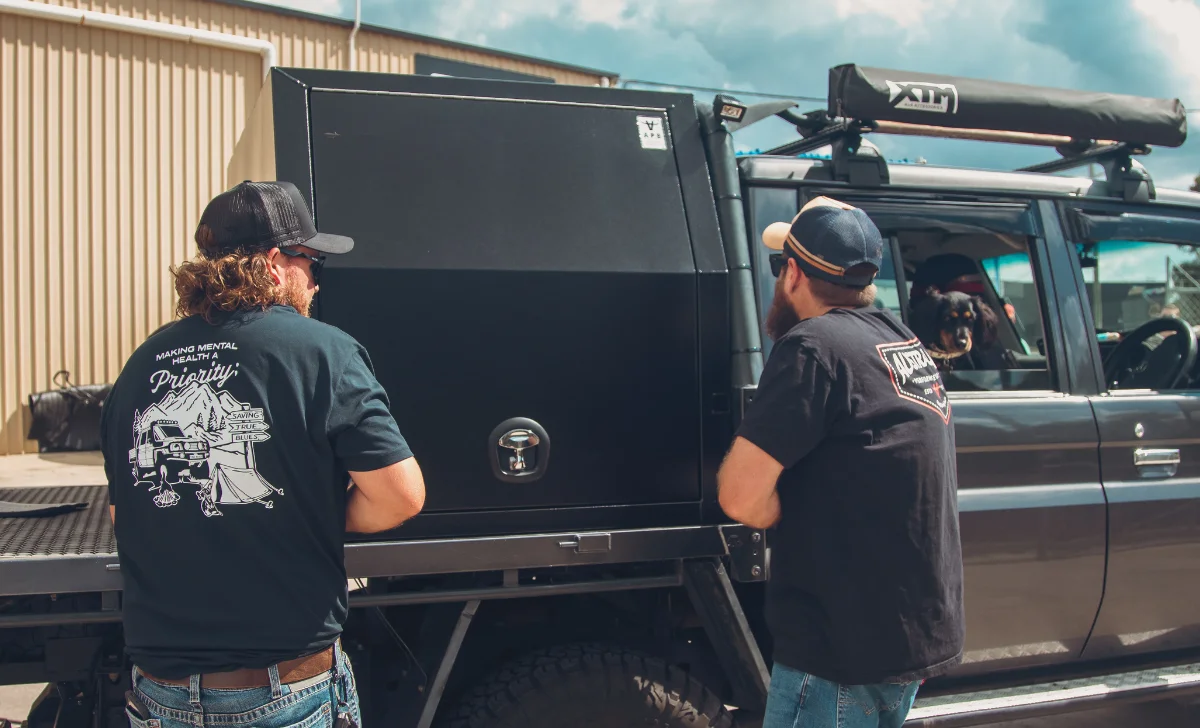
Equipping a rugged touring vehicle with a high quality canopy 79 series ensures that all camping gear, food supplies, and recovery equipment remain secure and weatherproof during extended adventures. These tailored storage solutions are specifically engineered to handle the harsh demands of the outback while keeping your essentials perfectly organised.
When you have the right vehicle setup, you are no longer tied to crowded tourist hubs or traditional accommodations. Integrating smart routines into your daily life allows you to adopt a balanced lifestyle where you can travel comfortably without booking hotels or relying on strict itineraries.
A self-reliant vehicle gives you the freedom to pull up to a secluded beach or a quiet mountain ridge, knowing you have everything you need right in your tray. This level of self-sufficiency eliminates the travel anxiety associated with rushing to check-in times, allowing you to dictate the flow of your day based entirely on the rising and setting of the sun.
For Calgary-based travellers preparing to go full-time off-grid, self storage units Calgary offer a secure place to keep the belongings that won’t fit in the build, so you can hit the road light without leaving anything important behind permanently.
Essential Elements of a Wellness-Focused Road Trip
To truly reap the benefits of off-grid vehicle travel, it helps to approach your journey with clear intention. Simply driving into the bush is not always enough to guarantee a restful experience if you bring your daily stressors along for the ride. Consider incorporating the following strategies into your next remote adventure:
- Establish tech-free zones: Commit to keeping your smartphone in the glovebox during meals or hikes. Use physical maps instead of digital navigation when exploring local trails to stay fully present in your surroundings.
- Prioritise self-sufficient power: Invest in reliable dual battery systems and solar panels. Having a steady power supply for your fridge and lighting removes the anxiety of finding powered campsites, allowing you to stay off-grid for longer periods.
- Focus on mindful routines: Start your mornings slowly. Instead of checking emails immediately, use the first hour of the day to boil the billy, watch the sunrise, or write in a journal.
- Organise for peace of mind: A cluttered camp leads to a cluttered mind. Utilise modular storage designs to ensure every piece of gear has a designated home, minimising frustration when setting up camp after a long day of driving.
The modern outdoor lifestyle is about much more than just conquering tough tracks and kicking up dust. It is a holistic approach to intentional living that prioritises mental well-being over constant connectivity. By investing in the right vehicle setup and embracing the quiet stillness of nature, Australians are discovering that the best way to recharge themselves is to unplug completely.
