
How to Train a Reactive Dog: Practical Steps That Reduce Triggers
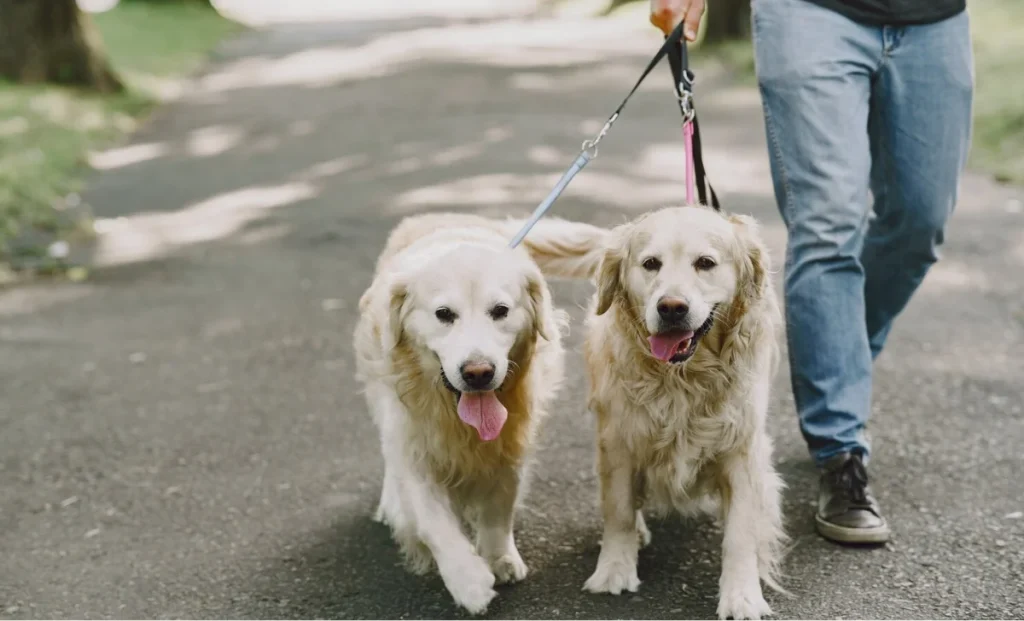
The purpose of reactive dog training is helping out dogs with a history of overreacting to specific stimuli or situations, but just because these dogs are acting out doesn’t mean these dogs are inherently “bad.”
In reality, what’s actually happening is that these dogs’ nervous systems are reacting to things like people, other dogs or noises and their emotional response is driven by feelings of fear, frustration or overstimulation.
Fortunately, reactive dogs can be helped through dog reactivity training which encompasses force-free behavior modification and training.
Understanding Reactive Dog Behavior
Most reactive dog behavior is manifested through observable behaviors such as barking, growling and lunging. These behaviors are seen when reactive dog triggers pop up in the dog’s environment.
The purpose of these behaviors can be distance-increasing or distance-decreasing. For example, in the case of a dog who barks and lunges at people due to fear, the goal of their behavior is to send the people away (increase distance).
In the case of a dog barking at other dogs due to frustration, the goal of their behavior is an attempt to reduce frustration because access to a desired stimulus is blocked (they want to get closer, but cannot).
Recognizing Reactivity Thresholds
To best address reactivity in dogs, it is necessary to get accustomed to what are known as “reactivity thresholds.”
When dogs are exposed to triggers, their arousal levels increase. As arousal rises, their ability to think clearly, process information, and respond to learned cues decreases.
Exposure to reactive dog triggers can be compared to a human with a fear of heights being asked to solve a math problem on the top floor of a skyscraper.
A dog that is overwhelmed by triggers and driven by survival-based responses is considered “over the threshold,” whereas a dog in an emotionally regulated state, capable of attending to directions, is considered “under the threshold”.
As expected, an effective training plan for reactive dogs focuses on keeping dogs below threshold, this way they can remain emotionally regulated enough to learn, form positive associations, and respond to positive reinforcement training.
Core Methods to Reduce Triggers
The goal of dog training for reactive dogs isn’t to eliminate triggers from a dog’s life once and for all. It’s to reduce the triggers in such a way that they are less intense while also teaching the dog better coping skills. By reducing dog triggers, dogs become better capable of generating better emotional responses.
Environmental Management
Management is a very important first step in any dog training for reactive dogs program. Its main purpose is to prevent unnecessary reactions along with protecting any hardly earned progress.
Route planning entails avoiding routes where triggers are known for popping up. Avoiding crowded places helps too. Consistent routines are also imperative considering the fact that dogs feel reassured by knowing what to expect.
Smart management prevents unnecessary reactions and protects training progress. Route planning, avoiding crowded spaces during peak hours, and sticking to consistent routines all reduce surprise stressors.
PawChamp offers an easy to follow guide for easy, relaxed dog walking with 5 steps. Through structured, calm walks and consistent training, you will be finally equipped with the right tools to reduce reactive responses in dogs.
Counterconditioning & Desensitization Techniques
Counterconditioning and desensitization are behavior change methods often utilized in reactive dog training.
The goal of counterconditioning is to change the dog’s emotional response towards triggers, while desensitization. Desensitization instead changes the intensity of triggers so that dogs remain under the threshold.
In a nutshell, this means pairing a low-level trigger with high-value rewards. Once the dog is in a calmer, learning state, then positive reinforcement training can be introduced, so that the dog can learn desirable behaviors.
Teaching Alternative Behaviors
As dogs reach a better learning state, they can be taught to perform desirable behaviors to replace the reactive behaviors. Need some examples? Here are few commonly taught alternate behaviors:
- Loose-leash walking
- Eye contact
- Hand targets
These behaviors help build consistency in dog training. Clear dog training routines are helpful too as they provide reactive dogs structure, which lowers anxiety and improves reliability.
Tools to Support Structured Reactive Dog Training
If you are interested in learning more about reactive dog training, consider that it requires a solid plan. Positive reinforcement training works best when you keep track of progress and setbacks and stay consistent.
Tools like the PawChamp dog training app helps you remain organized and motivated courtesy of logs, reminders, and step-by-step guidance. This way you can monitor progress without guesswork.

When to Seek Professional Help
There may be times where, despite consistent effort, you may get stuck and the behavior appears to get worse rather than better. Perhaps reactions may escalade and there may be some safety concerns.
Dog trainers and behavior consultants specializing in dog training for reactive dogs can help you apply advanced behavior modification techniques that are customized to your dog’s specific triggers and thresholds so as to help you succeed.
Common Owner Mistakes and Maintaining Progress
Behavior modification and training for reactive dogs isn’t typically a linear process. It is not uncommon to witness some setbacks here and there throughout the reactive dog behavior modification process.
Common mistakes made through the process include moving too fast, failure in reducing dog triggers, accidentally reinforcing reactive behavior or inconsistent training often seen as a result of not following a plan.
Conclusion
As seen, reactive dog training requires a clear understanding on how to manage the environment, keep the dog under threshold and properly implement behavior modification so as to help build trust through structure.
When applied correctly, dog reactivity training can be a rewarding process, especially when you start noticing how your dog shifts from being stressed to calm and confident, one controlled exposure at a time.
FAQ
1. How do I know if my dog is reacting out of fear or being truly aggressive?
Reactive and aggressive are terms that are often used interchangeably, but there are key important differences. Reactive dogs respond emotionally to triggers, but recover with distance and training. Aggression means your dog actually wants to hurt something.
2. What should you do first when training a reactive dog at your house?
The first step is to implement management so as to prevent reactions and help keep the dog as stress free as possible. This paves the path to successful behavior modification and training.
3. How much time is needed before my dog’s reactive behavior gets better?
Every dog is different, but most dogs start getting better in a few weeks. However, meaningful improvements are often noticed after several months of consistent training.
