
How to Prepare Your Garage Door for Northwest Indiana’s Changing Seasons
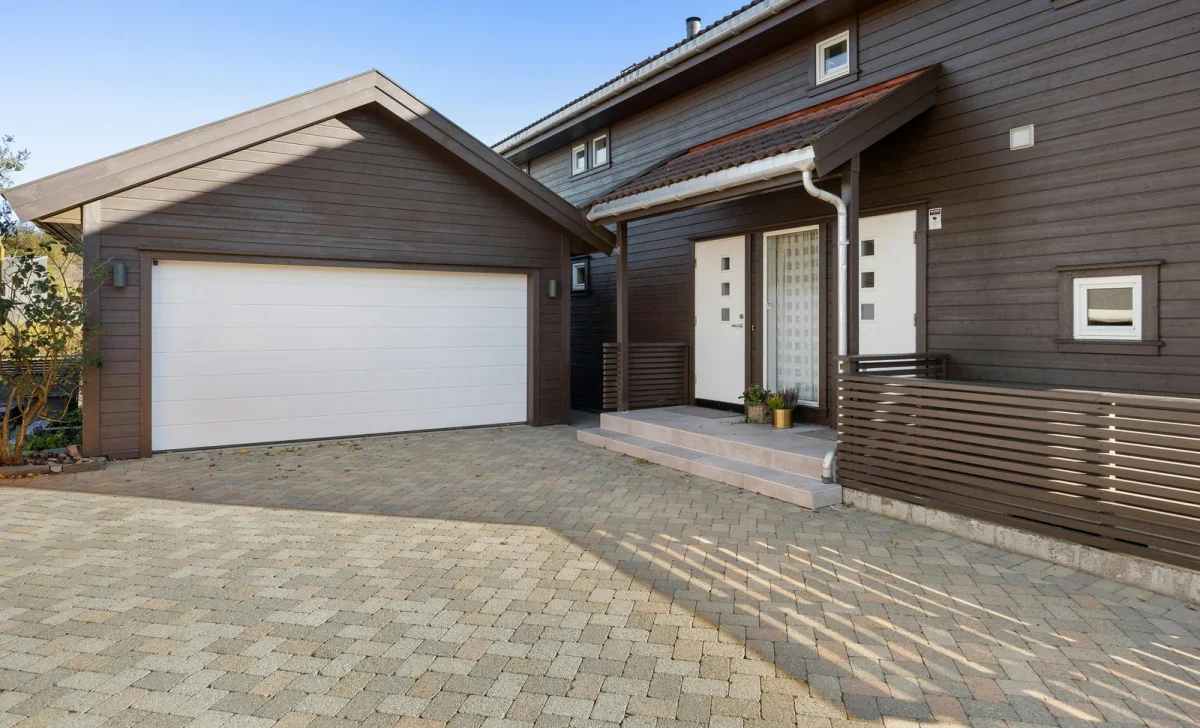
If you’ve lived in Northwest Indiana for more than a year, you already know the weather doesn’t hold back. One week it’s sunny and mild, the next you’re chipping ice off your windshield.
Your garage door takes the brunt of all that back and forth, and most people don’t think about it until something goes wrong. This guide walks you through what our seasons actually do to your garage door, the maintenance that keeps it running right, and how to tell if you’re looking at a quick fix or a bigger decision.
How Northwest Indiana Weather Affects Your Garage Door
Cold weather makes metal contract. That includes your torsion springs, which are already under a lot of tension to begin with. When temperatures drop, older springs especially can snap without much warning. Then there’s the slush and road salt your car tracks in all winter, which sits on the garage floor and slowly eats away at hinges, tracks, and rollers with rust.
Come spring, the rain and humidity bring a different set of problems. Wood panels soak up moisture and start to swell or warp. Your weatherstripping takes a hit too, drying out and cracking faster than you’d expect.
The real culprit around here is how much the temperature bounces around, sometimes 30-plus degrees in a single day. That constant expanding and contracting works screws loose, knocks tracks out of alignment, and puts extra wear on your rollers.
Give it a few years without any upkeep and you’ll notice the door sticking, binding, or just not closing evenly anymore. If you’re ever unsure how much wear your door has taken on, Overhead Door Northwest Indiana can take a look and let you know where things stand.
Garage Door Maintenance Tasks to Handle Before Each Season
These are the tasks worth doing before the seasons change, not just once and forget it:
- Check your hardware. Go around and check every bolt, hinge, and bracket. Tighten anything loose, and if you find bolts that are rusted through rather than just a little discolored, swap them out.
- Clean out the tracks. A damp rag works fine for wiping away dirt, salt, and leaf debris. Skip the grease or oil in the tracks themselves, it just gathers more grime.
- Look over your weatherstripping. Give the bottom seal and side seals a press. If it’s stiff, cracked, or doesn’t bounce back when you let go, replace it now rather than waiting until you feel a draft in January.
- Lubricate the moving parts. A silicone-based garage door lubricant on your hinges, rollers, and springs a couple times a year makes a real difference. Skip WD-40 for this, it dries up fast and won’t hold up once it’s cold out.
- Test your opener. Set a piece of wood on the floor under the door and close it. It should reverse the moment it touches the wood. If it doesn’t, your sensors need attention.
- Pay attention to unusual sounds or movement. Grinding, jerking, or a door that pauses mid-cycle are all early warning signs. It’s better to catch this before winter than deal with a frozen, stuck door on the coldest morning of the year.
When to Repair or Replace Your Garage Door
Not every problem means you need a whole new door, but some do.
A repair is usually enough if you’re dealing with one broken spring, a dented panel from something bumping into it, worn-out rollers, or sensors that just need realigning. These are one-off issues that a good repair will handle.
Replacement starts making more sense when the same door keeps breaking down over and over, when rust has spread across the frame instead of showing up in one small spot, when you can feel a real temperature difference standing near the door because the insulation has failed, or when the door still moves unevenly even after the balance has been adjusted.
If your door is pushing 15 to 20 years old, you’re also getting close to the point where repairs start costing you more than replacing it outright would.
If you’re unsure which situation you’re in, it’s worth having someone take a real look before you spend money either way. A professional inspection can tell you whether a repair will actually last or if replacement makes more sense.
Choosing a Garage Door That Fits Your Northwest Indiana Home
If you do end up replacing your door, here’s what matters most for our climate:
Insulation. Aim for an R-value around 12 to 16, especially if your garage is attached to the house or you spend time out there. Polyurethane insulation generally outperforms polystyrene when temperatures keep swinging.
Material. Steel holds up better than wood against humidity and freeze-thaw cycles, plus it takes far less maintenance. If you want the wood look without the hassle, steel doors with wood-grain finishes give you that appearance without the upkeep.
Wind resistance. Check the wind load rating if your home sits somewhere open and exposed to that lake-effect wind we get.
Energy efficiency. Insulation matters, but so does the quality of the weatherstripping and whether the door has thermal breaks built into the frame.
Security. Reinforced panels and a solid locking system matter more than people think, especially if your garage connects directly into your house.
Appearance. Once you’ve settled on insulation, material, and durability, then pick a style and color that fits your home.
Wrapping Things Up
How well your garage door holds up comes down to how well you take care of it through our seasonal swings. A little regular maintenance catches small problems before they turn into bigger bills, and knowing when to repair versus replace saves you money down the road.
If something’s been bothering you about your door, or you’re thinking about a replacement, it’s worth talking to a local professional who understands what this weather does to garage doors over time.
