
What to Know Before Your Pet Stays Away From Home
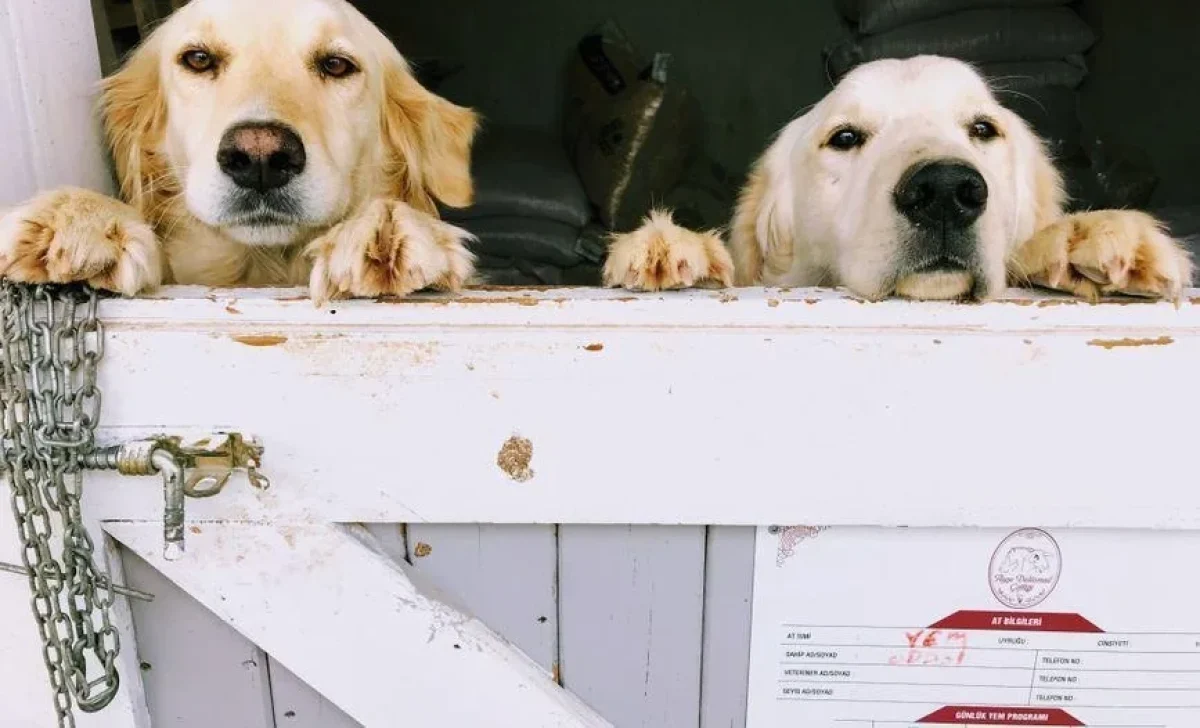
Leaving your pet somewhere overnight can feel surprisingly strange, especially if they rarely spend time away from you. Pets get used to familiar meals, sleeping spots, sounds, people, and routines, so even a short stay in a different environment can require some adjustment.
Good preparation can make that transition easier. The goal is not to eliminate every moment of uncertainty but to make sure your pet’s caregivers understand their health, habits, personality, and daily needs. A little planning before drop-off can make the experience calmer for everyone involved.
Think About How Your Pet Handles Change
Before choosing overnight care, consider how your pet normally reacts to unfamiliar people, animals, sounds, and environments.
Some pets adjust quickly. Others become nervous when their routine changes or need considerably more time to become comfortable around new people. Age, health, temperament, previous experiences, and socialization can all affect the experience.
Think about what happens when you leave your pet with someone else for a few hours. Do they settle down relatively quickly, or do they pace, hide, bark, refuse food, or become destructive?
None of these behaviors automatically means boarding is impossible. They are simply useful information when deciding what type of care and environment may work best.
Pets with significant medical needs, mobility limitations, or severe anxiety may require more individualized arrangements. Discussing those needs honestly before booking helps prevent unpleasant surprises later.
Get Familiar With the Facility Before the Stay
Choosing overnight care from photographs alone can leave a lot of unanswered questions.
When possible, learn about the facility before drop-off day. Ask how pets are housed, supervised, exercised, fed, and monitored overnight. Find out what happens if an animal becomes sick or unusually distressed.
Cleanliness matters, but so does organization. Secure enclosures, clear routines, appropriate supervision, and staff members who can explain how they handle different temperaments are all worth noticing.
When considering pet overnight boarding, ask about the daily routine and how individual feeding, medication, exercise, and behavioral needs are handled. Knowing what your pet’s day will actually look like can help you determine whether the environment suits them.
You should feel comfortable asking detailed questions. Someone caring for your pet overnight should be able to give you clear answers.
Sort Out Health Requirements Early
Do not wait until the evening before drop-off to discover that you are missing an important health record.
Boarding facilities may have vaccination and health requirements intended to reduce the spread of illness among animals sharing the same environment. Ask what documentation is required when you make the reservation so you have enough time to contact your veterinarian if necessary.
Medication deserves equally careful planning.
Provide the medication in the form requested by the facility and include clear instructions about dosage and timing. Staff should also know about allergies, chronic conditions, mobility limitations, previous reactions, and anything else that could affect your pet’s care.
It is worth providing your veterinarian’s contact information as well as an emergency contact who can make decisions if you cannot be reached.
The more accurately caregivers understand your pet’s normal health and behavior, the easier it is for them to recognize when something is genuinely unusual.
Keep Food Changes to a Minimum
An overnight stay already introduces plenty of unfamiliar things. Dinner does not need to become another one.
If the facility allows or requests it, send your pet’s regular food in clearly labeled portions. Suddenly changing food at the same time your pet is adjusting to a new environment can contribute to digestive upset.
Make sure staff know the normal feeding schedule, portion size, dietary restrictions, and whether your pet has any unusual eating habits.
Stress can temporarily affect appetite in some animals. If your pet commonly skips meals when nervous, tell the caregivers rather than leaving them to wonder whether something is wrong.
For pets with sensitive stomachs or special diets, keeping feeding routines familiar can be especially useful.
Bring Familiarity Without Packing the Entire House
A familiar smell or object can sometimes make an unfamiliar sleeping area feel less strange.
Depending on facility policies, you may be able to bring a blanket, bedding item, or durable toy your pet already knows. Check first rather than assuming personal belongings are permitted.
Avoid sending anything valuable or irreplaceable. Items can become dirty, damaged, misplaced, or chewed during a stay.
There is also no need to pack everything your pet has ever loved.
The purpose of a familiar object is simply to provide a little continuity. Their regular food, familiar scent, and predictable routine are usually more useful than a suitcase filled with toys.
Give Nervous Pets a Chance to Practice
If your pet has almost never been away from you, an overnight stay can feel like a considerable change.
A shorter trial can sometimes make the transition less abrupt. Depending on the type of care available, that could mean spending a few hours with a trusted caregiver or trying a shorter supervised visit before an overnight stay.
Pay attention to how your pet responds afterward.
Temporary excitement or nervousness is different from severe distress. Repeated escape attempts, prolonged refusal to eat, extreme vocalization, or other significant behavioral changes are worth discussing with the caregiver and, when appropriate, your veterinarian.
If separation is consistently difficult, gradually helping a pet become more comfortable with time alone may be more useful than expecting them to adjust to a long absence all at once.
A practice visit can also teach you something important: what your pet actually needs when you are not there.
Write Down the Quirks Someone Else Wouldn’t Know
You know what “normal” looks like for your pet. A new caregiver does not.
Small details can make a surprisingly big difference.
Maybe your dog needs a quiet minute before approaching unfamiliar people. Perhaps your cat hides when nervous but eventually comes out for food. Your pet might dislike being touched in a certain area, become frightened by particular sounds, or have a very specific bathroom routine.
Share that information.
Be especially clear about any history of biting, scratching, resource guarding, escape behavior, or reactivity toward other animals. Hiding behavioral concerns does not make the stay easier; it makes it harder for staff to handle your pet safely.
Useful care instructions should describe the pet caregivers are actually going to meet, not the perfectly behaved version you wish would arrive.
Keep Drop-Off Calm and Simple
A long emotional goodbye may make you feel better, but it does not necessarily make the transition easier for your pet.
Arrive with enough time to provide instructions and hand over food, medication, and approved belongings without rushing. Make sure contact information is correct and confirm anything important about pickup.
Then keep the actual goodbye relatively calm.
Pets often respond to changes in our behavior and body language. If you appear unusually anxious, repeatedly return for another goodbye, or dramatically reassure them that everything will be okay, you may accidentally make the situation seem more unusual than it needs to be.
A familiar phrase, calm affection, and straightforward departure can help staff move your pet into the new routine.
Expect a Little Adjustment After They Come Home
Coming home can require an adjustment too.
Some pets return full of energy. Others are tired after spending time in a stimulating environment. Eating, sleeping, bathroom habits, and general behavior may be temporarily different as they settle back into their normal routine.
Ask the caregiver how the stay went before leaving. Find out whether your pet ate normally, rested comfortably, interacted appropriately, and showed any behaviors worth knowing about.
Once home, return to familiar meals and routines rather than making the reunion unnecessarily exciting.
Monitor your pet for anything that seems significant or persistent. Vomiting, diarrhea, coughing, unusual lethargy, difficulty breathing, loss of appetite, or marked behavioral changes may justify contacting a veterinarian, particularly if symptoms are severe or do not improve.
Knowing which changes in a pet’s behavior or health deserve veterinary attention can also help you distinguish a tired post-boarding pet from one that may need additional care.
Make the Next Stay Easier
The first overnight stay can teach you a great deal about what works for your pet.
Maybe they adjusted beautifully but needed more of their regular food. Perhaps they were comfortable with staff but overwhelmed by a busy environment. They may have slept well with familiar bedding or needed more individual downtime than expected.
Use that information next time.
Keep important health records reasonably current, save a copy of feeding and medication instructions, and make note of anything the caregivers tell you after pickup. Future stays become easier when you are not rebuilding the care plan from memory every time.
Overnight care does not have to feel like a major ordeal. The right environment, clear communication, familiar routines, and realistic expectations can make time away much easier for your pet.
You may still miss them more than they miss you. Unfortunately, there is no preparation guide for that part.
