
How to Protect Your Roof from Heavy Rain and Storm Damage
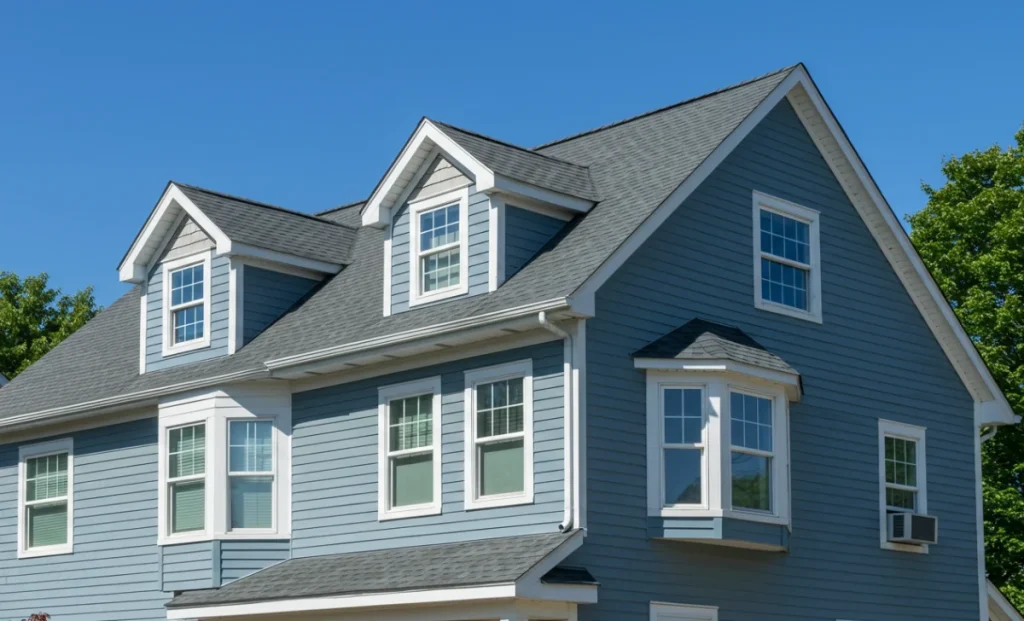
Your roof takes a real beating when storms roll through. Heavy rain, hail, and crazy winds can turn what should be your home’s best protection into your biggest headache. You’ve probably seen neighbors dealing with expensive repairs that could’ve been avoided with some smart preparation beforehand.
Here’s the thing though – you don’t have to sit around waiting for the next big storm to hit. There are some really effective ways to get your roof ready for whatever Mother Nature throws at it. You’ll learn the steps that actually work, based on what really makes a difference when storms hit.
Check Your Roof Often for First Warning Signs of Problems
Getting up there to check your roof regularly is honestly the best thing you can do to avoid major disasters later. You want to catch the small stuff before it turns into those nightmare scenarios where water’s pouring through your ceiling.
Grab some binoculars and take a good look from the ground – you’re looking for shingles that are missing, cracked, or starting to curl up, especially around chimneys and vents. And if you’re seeing damage after a storm and wondering what’s worth fixing versus what’s a bigger issue, this guide explains when to repair vs replace your roof so you can make the right call before a small leak becomes a costly mess.
Don’t skip checking your attic after every big storm hits. You’ll be amazed how many times you can find water stains or damp spots up there that you had no clue about. Even tiny leaks turn into serious mold problems and structural damage if you ignore them. Get a professional up there twice a year too – they’ll spot things you’ll miss from the ground.
Keep a record of what you find with photos and notes. Sounds boring, right? But when you need to file an insurance claim or figure out if a problem keeps coming back, you’ll be glad you did. Just jot down the date, what the weather was like, and anything that looked off.
Strengthen Your Roof Against Harsh Weather
The truth is, fortifying your roof against storms takes some upfront investment, but it’ll save you a fortune when the really bad weather hits. You’ve got options for both upgrading materials and reinforcing what you already have.
Upgrade to Storm-Resistant Roofing Materials
If your roof’s getting old anyway, this is the perfect time to upgrade to something that can actually handle serious weather.
The newer impact-resistant shingles are pretty impressive – they’re built to survive hail and flying debris that would demolish regular shingles. Look for ones with that Class 4 rating, which means they can take a beating from 2-inch steel balls dropped from 20 feet up.
Metal roofs are another solid choice if you’re thinking long-term. Yeah, they cost more upfront, but these things can handle winds up to 140 mph and last decades longer than regular shingles. Plus, a lot of insurance companies will actually cut you a break on your premiums for having storm-resistant materials, which helps with the initial sticker shock.
Reinforce Flashing, Gutters, and Roof Edges
The weak spots on your roof are where different materials come together, and that’s exactly where storms love to cause trouble.
You want really good flashing around your chimney, vents, and skylights – go with aluminum or galvanized steel that won’t rust out on you. Make sure whoever installs it uses proper roofing cement and gets the overlap right.
If you live somewhere that gets hit with serious winds, hurricane straps or clips are worth every penny. These metal connectors keep your roof attached to your walls when the wind tries to rip it off. It’s not a DIY job, but the peace of mind is huge. Also, check all those spots where pipes and vents go through your roof and reseal them every year – those seals crack and let water in.
Keep Gutters and Downspouts Clean and Functional
Your gutters are basically your roof’s best friend during heavy rains, but they turn into your worst enemy when they get clogged up.
When water can’t get through, it backs up onto your roof and finds ways inside your house. Clean them out twice a year minimum – get all the leaves, twigs, and whatever else ends up in there, especially where the downspouts connect since that’s where the worst clogs happen.
Also examine how your rain gutters are positioned. Water should flow right toward the downspouts without sitting in puddles anywhere along the way. If you see standing water, you probably need to adjust some hangers or add more support.
And don’t mess around with damaged sections – even small holes let water spill over onto your roof or pool up against your foundation.
Gutter guards are honestly a game-changer if you’re tired of constant cleaning. They keep the junk out but let water flow through during storms. Just make sure your downspouts shoot water at least 6 feet away from your house with extensions or splash blocks – you don’t want all that water sitting right next to your foundation.
Trim Overhanging Trees and Remove Potential Hazards
Trees around your house are basically giant projectiles waiting for the right storm to turn them loose on your roof.
You’ve probably seen healthy-looking branches come down and punch right through shingles during windstorms. Any branch within 10 feet of your roof needs to go, and if you’ve got dead or diseased branches, get a tree guy out there to remove them before they cause damage.
Dead trees are obviously the worst-case scenario – they can take out your entire roof if they come down. If you’re not sure about a tree’s health, spend the money to have a professional check it out. It’s way cheaper than a new roof. Also, think about all the stuff in your yard that could go flying around – patio furniture, grills, decorations. Store that stuff in your garage or shed when bad weather’s coming.
Go around your home and find any loose items that might turn into flying objects during strong winds. Fence panels, construction materials, even trash cans can do serious damage to your roof. Tie things down or move them somewhere safe.
When you’re planting new trees or putting up structures, think about how big they’ll get and pick species that are known for being storm-resistant.
In the End
Protecting your roof from storm damage really comes down to being proactive instead of reactive. The steps outlined here aren’t just busy work – they’re the difference between riding out storms with confidence and scrambling to find contractors after your ceiling caves in. It’s way better to spend some time and money now than deal with emergency repairs later.
The main point is that some early care can prevent big problems later. While your neighbors are dealing with water damage and insurance headaches, you’ll be sitting pretty knowing your roof can handle whatever gets thrown at it. Don’t wait for storm season to get serious about this stuff – start taking action now and you’ll thank yourself later.
