
What Pet Owners Should Know About At-Home Red Light Therapy Devices
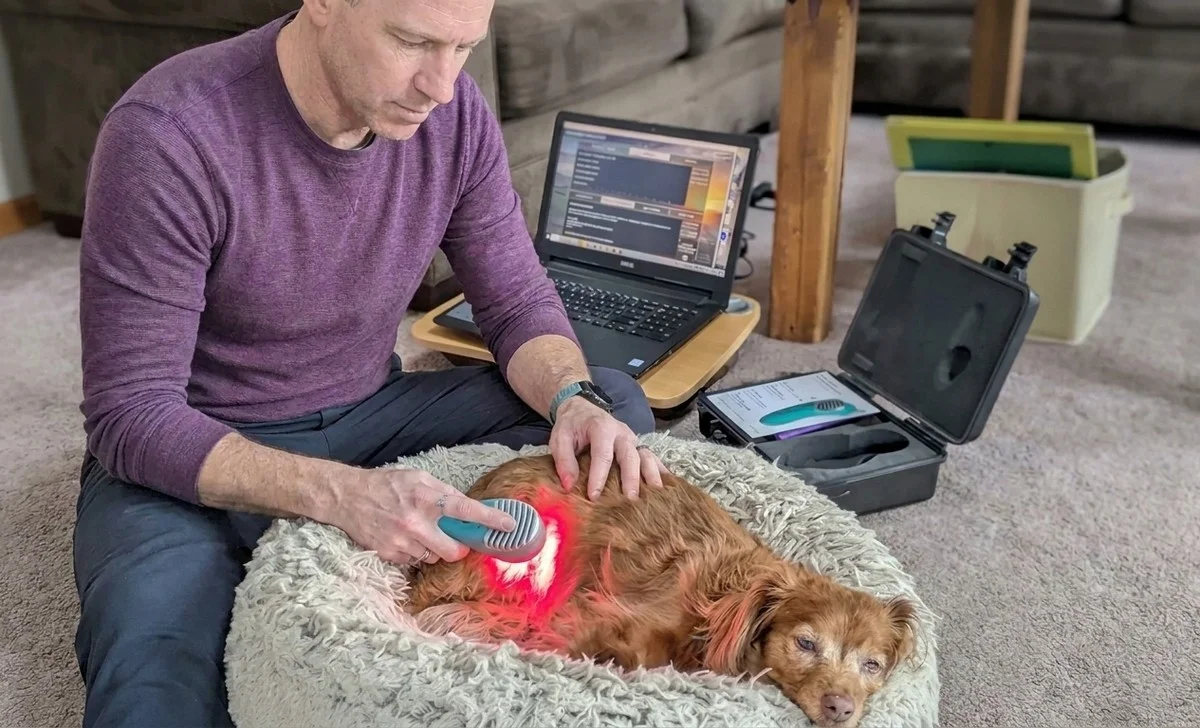
Red light therapy used to be something you would only find at a vet clinic or a high-end spa. Now it fits neatly on a shelf at home, and more pet owners are curious about what it can do for their dogs and cats.
Maybe your older dog is slowing down, or a small scrape is healing slowly, and you have seen these glowing devices online.
Before you buy one, it helps to understand what red light therapy really is, what it can and cannot do, and how to use it safely. Here is a clear, honest guide.
1. What Red Light Therapy Actually Does
Red light therapy relies on particular light wavelengths that penetrate a shallow layer beneath the skin’s surface. The idea is to encourage the body’s own recovery mechanisms, potentially easing soreness, joint stiffness, and minor wounds. It is calm, drug-free, and usually painless, which is a big part of the appeal for nervous pets.
Interest is not surprising when you consider how central pets have become. According to Forbes, about 66% of U.S. households own a pet, and most owners treat them like family. When your animal is part of the family, gentle at-home care options naturally start to matter a lot more.
Owners commonly reach for it to ease the aches of aging joints, support recovery after activity, and soothe minor skin irritations. It’s not magic, but for the right, mild issues, many pets seem to relax and rest more easily during and after a session.
It also tends to be a gentle experience overall, which matters for pets who hate pills or get anxious at the clinic. There are no needles and no strong smells — just a few quiet minutes of warmth, which many animals learn to sit through happily.
2. It Is Not a Magic Cure
Here is the honest part: red light therapy is a support tool, not a magic. It may help your pet feel more comfortable, but it does not replace proper veterinary care, medication, or a real diagnosis. Think of it as one helpful piece of a bigger wellness routine, rather than a fix for everything that comes up.
The safest mindset is support first, then supervise. Use it to complement what your vet recommends, and keep watching how your pet responds. If something is not improving, that is your cue to check in rather than simply keep going.
Having a specific outcome in mind before beginning can also make a real difference. Are you hoping to ease stiffness after walks, or soothe a slow-healing scrape? Knowing what you are aiming for makes it far easier to judge whether the device is actually helping or just filling time.
3. Safety Should Always Come First
If you decide to try a device, the design and quality really matter. A well-built option like the Medcovet Luma is made to be simple to hold, easy to aim, and gentle enough for regular home use on sensitive pets.
Medcovet built it with everyday owners in mind, so you are not left guessing about settings or fumbling with complicated controls while your dog wriggles around.
Whichever product you consider, a few features separate the trustworthy ones from the gimmicks:
- Clear guidance on distance, timing, and how often to use it.
- Comfortable handling so you can stay steady on a moving pet.
- Honest, specific claims rather than cure-all promises.
4. How to Use It the Right Way
Getting good results is mostly about consistency and calm. Short, regular sessions tend to work better than the occasional long one, and a relaxed pet will sit still far more easily.
- Stick to the manufacturer’s recommended distance and duration for each session.
- Keep each session brief, and end it right away if your pet appears anxious or uncomfortable.
- Never aim the light directly into your pet’s eyes.
- Be patient — gentle improvements usually show up over weeks, not minutes.
A little routine goes a long way. Pairing sessions with a calm moment your pet already enjoys — after a meal, or during an evening cuddle — makes the whole thing feel like part of the day rather than a chore for either of you.
5. When to Skip It and Call Your Vet
Some situations need a professional, not a gadget. If your pet has a serious injury, a sudden change in behavior, a suspected infection, or any lump you have not had checked, call your vet first. Red light therapy can be a lovely comfort tool, but a proper exam is always the safer starting point whenever something seems truly wrong.
Certain pets also deserve extra caution. Pregnant animals, those with cancer, or pets on light-sensitive medication should only try it with a vet’s blessing. When in doubt, one quick phone call beats a guess every single time.
Trust your gut, too. You know your pet better than anyone, so if something feels off even when the device seems to be working, that instinct is worth acting on. A gadget should add to your peace of mind, never replace the careful attention only you can give.
6. A Few Questions Worth Asking First
Before handing over your money, running through a brief list of questions can help you avoid an underwhelming purchase. A trustworthy brand will answer these easily, while a gimmick tends to dodge them:
- Does it list the actual wavelengths it uses, not just vague claims?
- Is there clear guidance for pets of different sizes and coats?
- It’s also worth asking what your options are for returning the product if it turns out not to be a good match for your pet.
The Takeaway
At-home red light therapy can be a soothing way to support your pet’s comfort, especially as they age. Keep your expectations realistic, put safety first, and treat it as a helpful add-on to good veterinary care.
Your pet cannot tell you what feels better, so thoughtful, gentle choices go a long way. Instead of expecting instant results, watch for gradual shifts in how your pet moves, their energy, and their general demeanor.
Consistency, regular veterinary checkups, and a well-rounded care routine that includes proper nutrition and appropriate exercise can help your pet enjoy a happier, more comfortable quality of life.
